
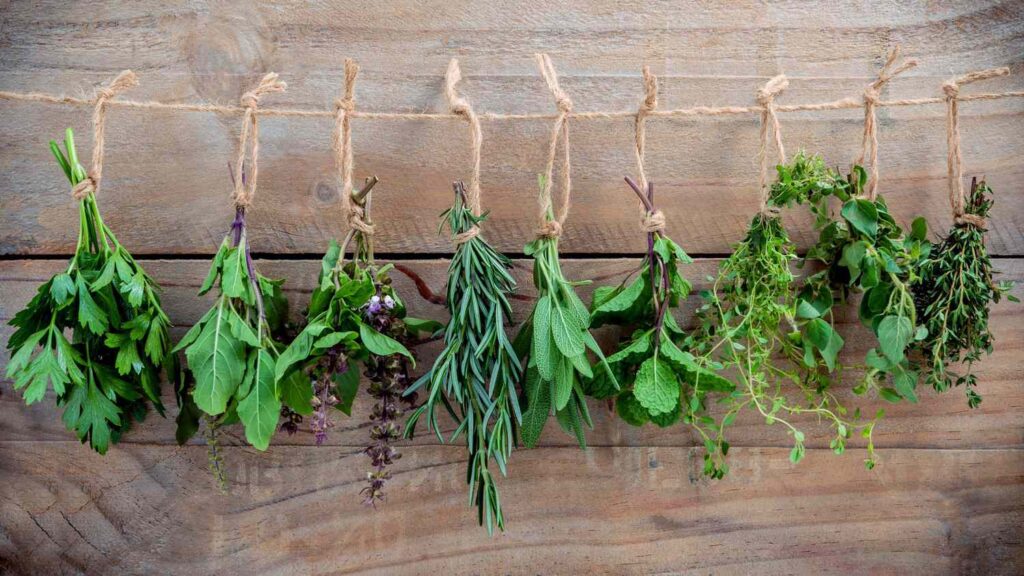
As a gardener or herbal enthusiast, you know the joy of harvesting aromatic herbs like rosemary, basil, oregano, mint, and thyme. But have you ever wondered what to do with them once they’re picked? Drying is an essential step in preserving these fragrant plants for use throughout the year. In this comprehensive guide, we’ll explore all methods for drying aromatic herbs naturally, using an oven or dehydrator, and storing them properly.
Understanding the Importance of Drying Aromatic Herbs
Dried herbs can add flavor and aroma to a variety of dishes, from soups and stews to teas and potpourri. However, fresh herbs have a limited shelf life and are often only available during specific seasons. By drying aromatic herbs, you can enjoy their benefits year-round, regardless of the time of year.
Contents
- Natural Drying Methods
- Drying without Oven or Dehydrator
- Oven and Dehydrator Drying
- Storing Dried Aromatic Herbs
- Herb and Fruit Grinder
Drying Aromatic Herbs Naturally
When drying herbs naturally, it’s essential to prepare them properly before using paper or a mesh screen for transpiration. This simple process helps prevent moisture from accumulating on the surface of the herbs.
- Clean the herbs thoroughly with a dry cloth to remove any dirt or debris.
- Lay the herbs out in a single layer on paper or a mesh screen, ensuring they are not overcrowded.
- Place the screens or papers in a well-ventilated, sunny spot with low humidity and minimal wind.
Note: When storing dried herbs, avoid using tin cans or plastic containers to prevent moisture buildup.
Drying Aromatic Herbs Without Oven or Dehydrator
While natural drying is an effective method, it can be time-consuming. Here are some tips for drying herbs without an oven or dehydrator:
- Choose a warm spot with good air circulation.
- Use the waning moon phase to speed up the drying process.
- Keep the dried herbs away from heat sources and humidity.
Drying Aromatic Herbs in an Oven or Dehydrator
Using controlled heat can help preserve the nutrients and flavor of your aromatic herbs. Here’s how:
- Cut the herbs into small pieces, removing excess moisture.
- Dry them using a dehydrator at a temperature between 40°C to 60°C (104°F to 140°F).
- If using an oven, preheat it to its lowest temperature setting and dry for 30 minutes to an hour.
Conserving Dried Aromatic Herbs
To ensure the longevity of your dried herbs, follow these storage tips:
- Store them in airtight containers, like glass jars or cardboard boxes.
- Keep the containers away from direct sunlight and moisture sources.
- Grind only what you need at the time of use to preserve the plant cell walls.
Herb and Fruit Grinder
If you’re looking for an easy way to grind your dried herbs into a fine powder, consider investing in a manual grinder like the Bosch model we recommend. This product features a stainless steel blade, low-rumble motor, and safety interlock to ensure safe grinding.
Main features:
- High power output of 180 W for 75g of coffee grains
- Low-rumble DC motor
- Stainless steel blade for food use
- Safety interlock on the cover that prevents blades from spinning unless the lid is securely in place
- Washable bowl for coffee beans and other materials
Dimensions: 9 x 17 x 9 cm
Conclusion
Drying aromatic herbs is an essential step in preserving their flavor and aroma. By exploring natural drying methods, using an oven or dehydrator, and storing them properly, you can enjoy your dried herbs throughout the year. Whether you’re a seasoned gardener or just starting out, this comprehensive guide has everything you need to unlock the full potential of your harvest.
Frequently Asked Questions
- How do I know when my dried herbs are ready?
- Can I dry herbs in a sunny spot without proper ventilation?
- What’s the best temperature for drying aromatic herbs?
- Can I use a food processor to grind dried herbs?
- How long does it take to dry herbs naturally vs. using an oven or dehydrator?
- Can I store dried herbs in plastic containers?
- What are some common mistakes when drying herbs?
- Are there any specific drying methods for certain types of herbs?
Best Herbs for Drying
- Rosemary
- Thyme
- Oregano
- Mint
- Basil


