
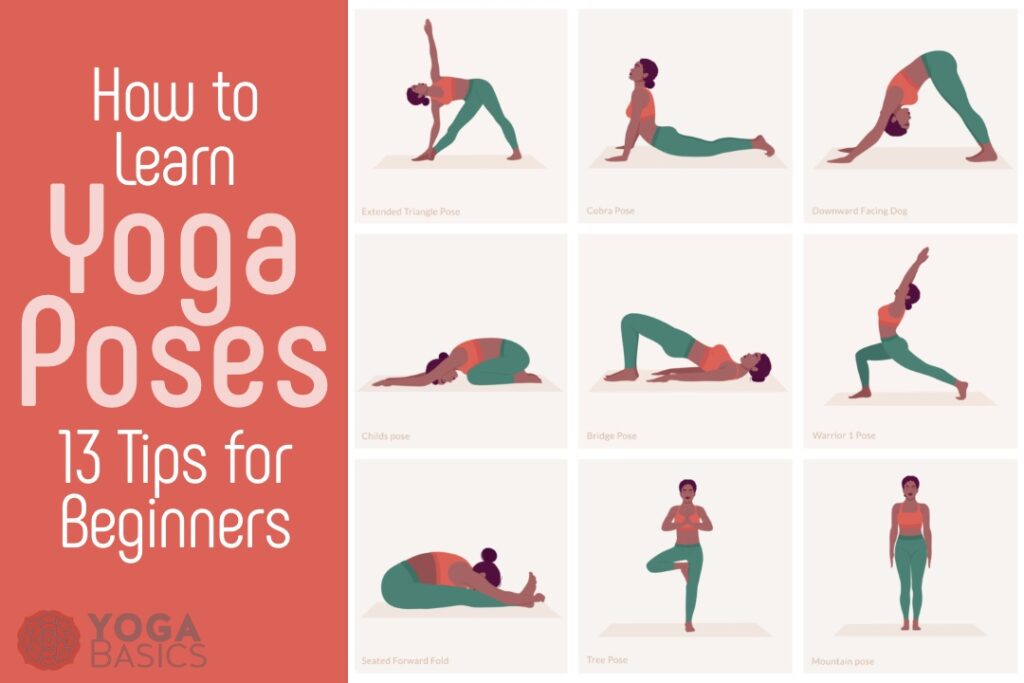
Getting Started with Yoga: A Comprehensive Guide
As yoga continues to gain popularity in our country, its numerous benefits for both body and mind have made it an increasingly sought-after practice. While getting started may seem daunting, it’s easier than you think. With a little preparation and the right mindset, anyone can embark on their first yoga journey.
In this article, we’ll delve into what yoga is, the various styles of yoga, its benefits, how to get started, and more.
What is Yoga?
The term “yoga” originates from the Sanskrit word “yuj,” meaning “to unite or connect.” In ancient times, yoga was a spiritual practice aimed at elevating the spirit. Today, we use the term to describe a range of physical activities that combine poses with breathing techniques to promote relaxation and meditation.
Types of Yoga (or Schools of Yoga)
Originally, yoga varied depending on the different Upanishads Vedica introduced by various masters. Some notable schools include:
- Kaṭha Upaniṣad
- Śvetāśvatara Upaniṣad
- Maitrī Upaniṣad
Modern yoga draws inspiration from these disciplines, including:
- Haṭha Yoga
- Kuṇḍalinī Yoga
- Yin Yoga
- Vinyasa Yoga
- Ashtanga Yoga
- Laya Yoga
- Mantra Yoga
Keep in mind that these schools have led to numerous interpretations, often “personalized” by the instructors who organize their own classes.
What Does Yoga Offer?
Today, yoga aims to achieve the following benefits:
- Physical Relaxation and Mental Clarity
- Greater Body Awareness and Movement Ability
- Increased Flexibility of Joints and General Health
- Serenity of Mind
- Ability to Banish Negative Thoughts
- Improved Cardiovascular Performance through Proper Breathing
- Enhanced Libido due to Improved Physical and Mental Condition
Getting Started with Yoga: A Step-by-Step Guide
-
Choosing a Mat (Opt for Green)
When starting yoga, all you need is a mat where you can stand, lean on, or lie down during your session.
There are numerous types of mats available, making it difficult to distinguish between them. Factors like grip, material quality, durability, and resistance to sweat, air exposure, etc., come into play.
Opting for an eco-friendly, green mat made from biodegradable materials is a great choice. Artletica offers yoga mats that are both environmentally friendly and long-lasting.
-
Dressing the Part
Next, you need to consider what to wear while practicing yoga. Comfortable, breathable clothing is recommended, which can be found at sports stores or specialty stores for dance, gymnastics, and yoga.
-
Starting with a Course
Once you have everything ready, it’s time to begin learning the first poses. If you’re new to yoga, taking a course taught by an experienced instructor is highly recommended. Not only will they guide you through the correct execution of each pose, but they’ll also help prevent injuries.
While online tutorials are popular and can be a convenient option, especially with the rise of social media influencers during the pandemic lockdown, it’s always best to receive personalized instruction from a qualified teacher.
How Yoga Affects Your Body
Regular yoga practice leads to numerous physical benefits. Not only does it contribute to weight loss, but also enhances joint flexibility and overall physique. Improper breathing techniques can lead to various health issues, which is why learning proper breathing methods is vital.
In addition to the physical changes, yoga helps improve mental well-being by reducing stress levels and promoting a sense of serenity. Practicing yoga also improves performance in other sports disciplines due to its emphasis on control and breathwork.
Who Can Practice Yoga?
Yoga is suitable for anyone without underlying health issues that prevent them from performing various poses. Regardless of age, yoga can be practiced – even during the golden years with proper guidance from an experienced teacher.
To ensure a safe and enjoyable experience, it’s always best to consult with a healthcare professional before starting any new exercise routine.
In conclusion, yoga offers numerous benefits for both body and mind, making it an ideal practice for individuals of all ages. By understanding what yoga is, its different styles, and how to get started, you can embark on your own journey towards improved physical and mental health.
Frequently Asked Questions (FAQs)
-
What is the most beneficial style of yoga?
Different styles of yoga cater to various needs and goals. The best approach depends on individual preferences and requirements.
-
Can I practice yoga without a mat?
While it’s possible, using a yoga mat can help prevent slipping and provide better grip during poses.
-
How often should I practice yoga?
Regularity is key. Aim to practice yoga at least three times a week for optimal benefits.
-
Can I practice yoga with injuries?
It’s always best to consult with a healthcare professional before starting any new exercise routine, especially if you have existing injuries. They can provide guidance on safe and appropriate practices.
-
Is it suitable for pregnant women?
Pregnant women should consult their healthcare provider before starting yoga practice. Some poses may not be recommended due to the risk of injury or discomfort.
-
Can I practice yoga with a weight loss goal?
Yoga can indeed aid in weight loss, but it’s essential to maintain proper posture and breathing techniques during exercises.
-
Is yoga suitable for people with chronic health conditions?
Always consult your healthcare provider before starting any new exercise routine, especially if you have underlying health conditions. They can provide personalized advice on safe practices.
-
Can I practice yoga with a personal trainer?
While it’s not necessary, having a personal trainer can be beneficial for beginners or those seeking guidance on specific techniques or goals.


