
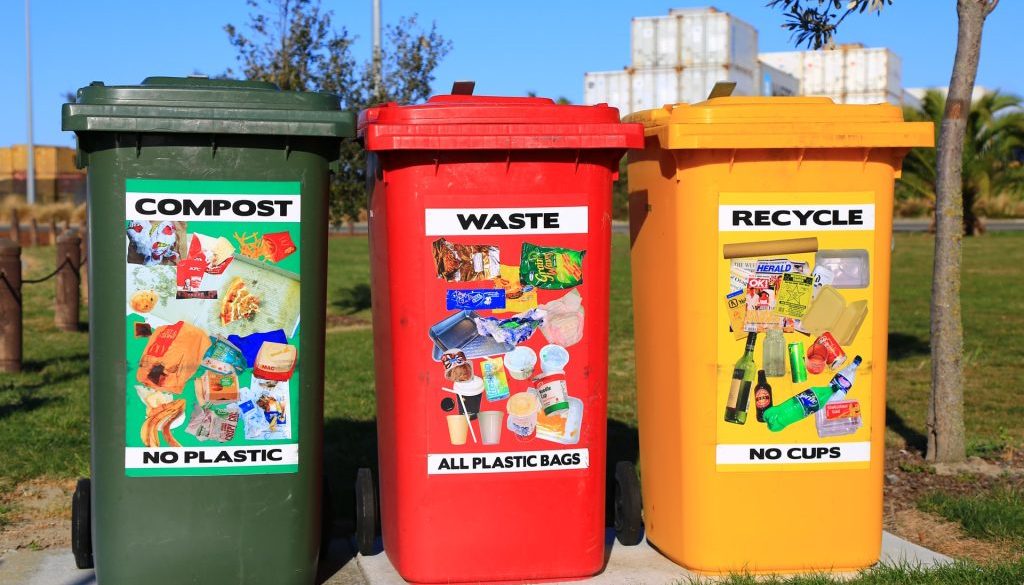
As a responsible member of our community, it’s time to take control of your waste management and make a positive impact on the environment. In this article, we’ll explore the importance of proper waste sorting and provide you with a comprehensive guide on how to do it correctly.
Why Proper Waste Sorting Matters
Proper waste sorting is not just a moral obligation; it also has significant economic benefits. When we sort our waste correctly, it reduces the amount of material that ends up in landfills, which in turn decreases the costs associated with waste management for municipalities. In other words, making good choices when it comes to waste disposal can save you money and contribute to a cleaner environment.
The Impact on Our Planet
Proper waste sorting also has a significant impact on our planet. When we don’t sort our waste correctly, it ends up in landfills where it contributes to greenhouse gas emissions, soil contamination, and water pollution. By taking the time to sort our waste properly, we can reduce the amount of waste that ends up in landfills and help to preserve natural resources.
Common Mistakes to Avoid
Before we dive into the details, let’s quickly address some common mistakes people make when it comes to waste sorting:
- Not separating organic waste from non-organic waste
- Putting recyclable materials in the wrong bins or not using the correct bins at all
- Failing to rinse food and liquid containers before recycling them
The Benefits of Proper Waste Sorting
Proper waste sorting has numerous benefits, including:
- Reduced greenhouse gas emissions
- Conservation of natural resources
- Reduction in waste sent to landfills
- Economic savings for municipalities
Organic Waste: What Can You Put in the Compost Bin?
When it comes to organic waste, there are several items that can be added to your compost bin:
- Food scraps (fruits, vegetables, bread, etc.)
- Yard trimmings
- Coffee grounds and tea bags
- Eggshells
- Paper products like paper towels and tissues
What Not to Put in the Compost Bin
While it’s great that you’re trying to reduce waste, there are some items that should not be added to your compost bin:
- Meat, bones, and dairy products (they can attract pests)
- Pet waste
- Weeds with seeds (they can spread invasive species)
- Chemically treated materials
Composting 101: Tips for Beginners
If you’re new to composting, here are some tips to get you started:
- Choose a location for your compost bin that is well-ventilated and accessible
- Add a mix of “green” (food scraps, grass clippings) and “brown” (dried leaves, straw) materials to your compost pile
- Keep your compost pile moist by adding water as needed
- Turn your compost pile regularly to aerate it and speed up the decomposition process
Paper and Cardboard: How to Recycle
Recycling paper and cardboard is easy once you know the right way to do it:
- Rinse food containers before recycling them
- Remove plastic inserts or bags from cartons
- Flatten cardboard boxes before putting them in the recycling bin
Glass, Plastic, and Metal: What Goes Where?
Here’s a quick rundown on what can be recycled and where:
- Glass bottles and jars go in the glass recycling bin
- Plastics (PET, HDPE, PVC, LDPE, PP) go in the plastic recycling bin
- Metals like aluminum and steel go in the metal recycling bin
Tips for Improving Your Recycling Game
Here are some additional tips to help you improve your recycling game:
- Check with your local government to see what materials are accepted in your curbside recycling program
- Rinse food containers before recycling them
- Remove plastic inserts or bags from cartons
- Flatten cardboard boxes before putting them in the recycling bin
Conclusion
Proper waste sorting is a simple yet effective way to make a positive impact on our environment. By following these tips and guidelines, you can help reduce waste, conserve natural resources, and contribute to a cleaner environment for future generations. So next time you’re thinking about throwing something away, take a moment to consider whether it belongs in the compost bin, recycling bin, or landfill. Your efforts will make a difference!


