
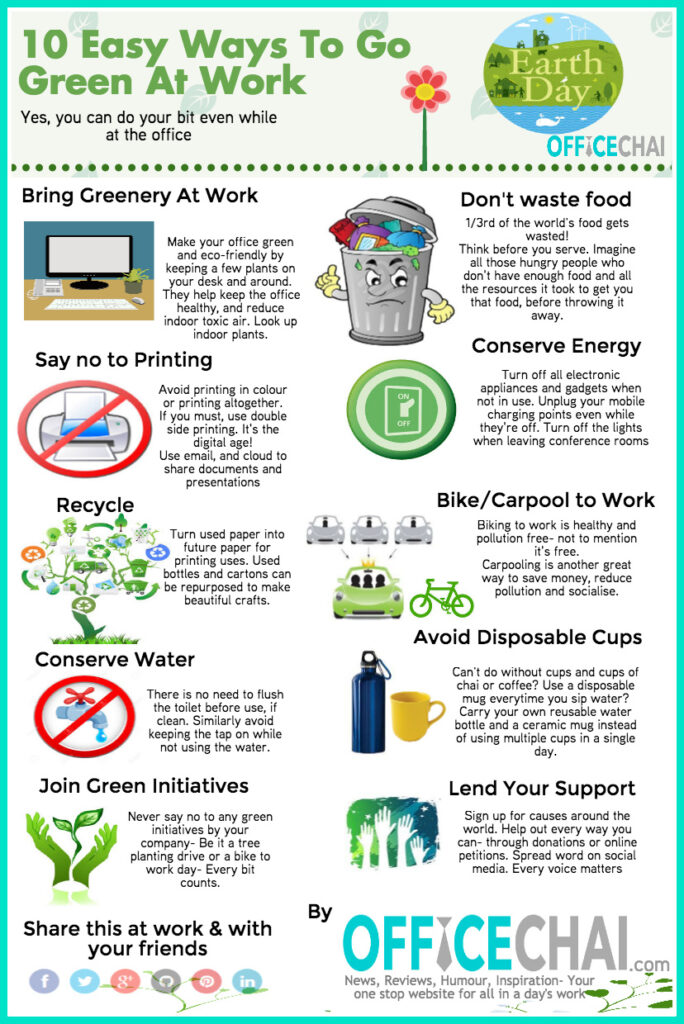
As an environmentally conscious employee, it’s not enough to adopt eco-friendly habits at home. You should also cultivate mindful use of resources in the office setting. By doing so, you’ll not only contribute to saving your company money but also help protect the planet.
The Impact of Office Paper Waste
Did you know that a typical office worker consumes around 90 kilograms of high-quality paper every year? That’s a staggering amount of cardboard that could be recycled. Recycling just one ton of paper can lead to an energy savings of approximately 1,500 liters of oil. Moreover, if we recycle at least 20% of the paper used in offices, we can help save between 4 to 5 million trees, reduce energy consumption by 2 to 5 billion kWh, and conserve water by 280 to 440 billion liters.
The production of paper also requires a significant amount of energy, which contributes to greenhouse gas emissions. In fact, the forestry industry is responsible for around 10% of global carbon dioxide emissions. By reducing our reliance on paper products, we can help mitigate this impact and create a more sustainable future.
Small Decisions, Big Impact
One way to kick-start sustainable office practices is to make a few simple changes. For instance, consider replacing four light bulbs with two in your office ceiling fixture or installing mirrors to reflect natural light. If you’re planning an office renovation, suggest using eco-friendly furniture options. You can also opt for reusable coffee cups instead of disposable ones.
Another easy way to reduce waste is by implementing a paperless policy. Encourage employees to use digital documents and sign them electronically instead of printing out physical copies. This will not only reduce paper consumption but also minimize the risk of document loss or damage.
Collaborative Recycling Efforts
To make recycling easier and more efficient, consider working with your colleagues to establish a system for collecting recyclable materials like paper, glass, and metal. Set up designated containers in the break room or near areas where food is consumed. This will encourage everyone to participate and make recycling a team effort.
You can also encourage employees to reduce their use of single-use plastics by providing alternative options like reusable bags, water bottles, and coffee cups. By promoting a culture of sustainability, you can create a positive impact on the environment and inspire others to do the same.
Reducing Water Consumption
Another simple yet effective way to reduce waste is by installing water-efficient fixtures in the office. Consider replacing traditional faucets with low-flow models or using aerators to decrease water consumption. For example, a single toilet that wastes 170,000 liters of water per month can save up to $15,000 over its lifespan.
You can also encourage employees to take shorter showers and turn off the tap while brushing their teeth. These small changes may seem insignificant, but they can collectively make a significant difference in reducing water waste.
Assessing Office Energy Consumption
Sometimes, energy-efficient practices can be achieved through simple system checks and maintenance. Take the time to review your office’s lighting systems and replace old bulbs with LED equivalents. This will not only reduce energy waste but also lower your utility bills.
Additionally, consider conducting an energy audit of your office to identify areas where energy is being wasted. This can help you pinpoint specific issues and implement targeted solutions to improve energy efficiency.
Finally, consider discussing carpooling or shared transportation options with your colleagues who live nearby. By pooling your resources, you can reduce the number of cars on the road and decrease greenhouse gas emissions.
This not only benefits the environment but also provides a cost-effective solution for employees. Many companies offer carpooling programs or incentives for employees who use public transportation, walk, or bike to work.
Conclusion: Sustainable Office Practices Matter
Embracing eco-friendly office practices may seem like a daunting task, but it’s essential to take small steps towards creating a greener workspace. By working together with your colleagues and implementing simple changes, you can make a significant impact on the environment while also saving money for your company.
As an environmentally conscious employee, you have the power to create positive change in your office setting. By making sustainable choices, you’re not only contributing to a healthier planet but also demonstrating leadership and commitment to your organization’s values.
Frequently Asked Questions
- How much paper waste is generated in an office per year?
A typical office worker consumes around 90 kilograms of high-quality paper every year.
2. What is the energy savings from recycling one ton of paper?
Recycling just one ton of paper can lead to an energy savings of approximately 1,500 liters of oil.
3. How much water can be saved by installing low-flow fixtures?
A single toilet that wastes 170,000 liters of water per month can save up to $15,000 over its lifespan.
4. What is the best way to reduce office energy consumption?
Assessing your office’s lighting systems and replacing old bulbs with LED equivalents is a simple yet effective way to reduce energy waste.
5. Can carpooling and shared transportation reduce greenhouse gas emissions?
Yes, by pooling resources for transportation, you can significantly decrease the number of cars on the road and lower emissions.
6. How much money can be saved by implementing eco-friendly practices in an office?
By reducing paper consumption, energy waste, and water usage, offices can save thousands of dollars annually.
7. What is the impact of office recycling on the environment?
Recycling at least 20% of the paper used in offices can help save between 4 to 5 million trees, reduce energy consumption by 2 to 5 billion kWh, and conserve water by 280 to 440 billion liters.
8. How can I get started with sustainable office practices?
Start by making small changes like using reusable coffee cups, reducing paper usage, or implementing low-flow fixtures in your office.


