
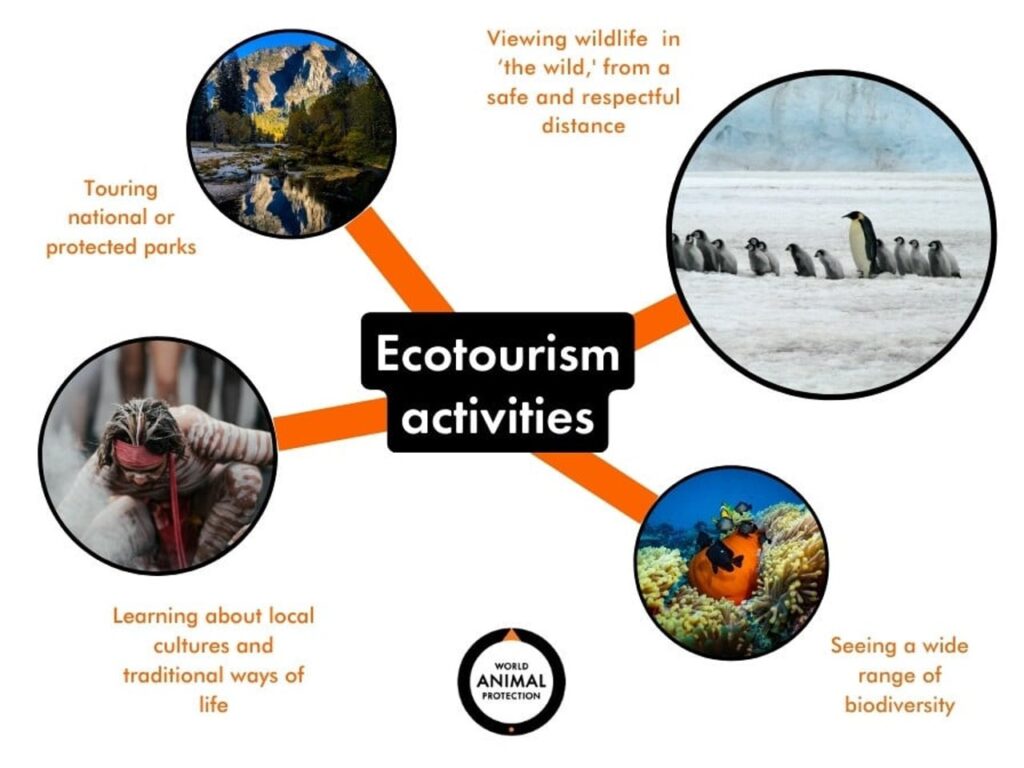
As the world becomes increasingly aware of its environmental impact, sustainable tourism has emerged as a viable alternative to traditional travel. This approach prioritizes responsible behavior towards the environment and nature, allowing travelers to experience new destinations while minimizing their ecological footprint.
What is Sustainable Tourism?
Sustainable tourism involves making conscious choices about how we travel, from choosing eco-friendly accommodations to respecting local environments and cultures. By adopting these habits, travelers can enjoy a relaxing and rejuvenating vacation without compromising the planet’s well-being.
Eco-Labeled Accommodations: A Guarantee of Sustainability
One key aspect of sustainable tourism is selecting accommodations that adhere to environmental standards. Look for establishments bearing the Ecolabel certification, which ensures that the structure meets specific protocols set by organizations like Asshotel-Confesercenti and Legambiente.
So, what does this guarantee mean in practice? Here are some of the key aspects:
- Energy efficiency: The accommodation must reduce its energy consumption through measures such as using renewable sources or implementing efficient lighting systems.
- Water conservation: They should implement water-saving practices, like low-flow showerheads and toilets.
- Waste management: A reduction in waste generation is mandatory, with a focus on recycling, composting, and minimizing packaging.
- Public transportation: Encouraging the use of public transport or car-sharing services helps reduce carbon emissions.
- Local cuisine promotion: Emphasizing locally sourced, organic produce supports local economies and reduces food miles.
Behavioral Changes for Sustainable Tourism
In addition to choosing eco-friendly accommodations, there are several behavioral changes you can make during your trip:
- Bring a reusable bag: Carry a refillable water bottle, snack bags, and avoid single-use plastics whenever possible.
- Choose local transportation: Opt for public transport or walk/bike when feasible instead of renting cars or taking taxis.
- Respect local environments: Avoid touching or damaging coral reefs, marine life habitats, or sensitive ecosystems.
- Conserve energy: Turn off lights, air conditioning, and heating when not in use to reduce energy consumption.
- Pack wisely: Bring a reusable thermos for hot beverages instead of disposable cups.
The Power of Sustainable Tourism
By adopting sustainable tourism practices, travelers can contribute significantly to reducing their ecological footprint. Here are some compelling reasons why:
- Preserve natural habitats: By respecting local environments and cultures, we help preserve the world’s biodiversity.
- Support local economies: Promoting locally sourced products and services boosts community development.
- Reduce carbon emissions: Sustainable tourism practices significantly reduce greenhouse gas emissions.
Impact of Sustainable Tourism on Communities
Sustainable tourism can have a profound impact on local communities, particularly in developing countries. Here are some ways sustainable tourism can benefit communities:
- Job creation: Sustainable tourism initiatives can create employment opportunities for locals.
- Community development: By promoting locally sourced products and services, sustainable tourism supports community development.
- Conservation efforts: Sustainable tourism practices can help protect natural habitats and preserve biodiversity.
Challenges Faced by Sustainable Tourism
While sustainable tourism offers numerous benefits, there are also challenges to be addressed:
- Infrastructure development: Developing infrastructure for eco-friendly accommodations and transportation can be costly and challenging.
- Cultural sensitivity: Respect for local cultures and traditions is essential in sustainable tourism practices.
- Education and awareness: Educating travelers about the importance of sustainable tourism and promoting responsible behavior are crucial.
Conclusion
Sustainable tourism offers a unique opportunity for travelers to experience new destinations while prioritizing the well-being of our planet. By making conscious choices about accommodations, transportation, and behavior, we can create a more environmentally friendly travel industry that benefits both people and the environment.
Frequently Asked Questions (FAQs)
- What does Ecolabel certification mean for travelers?
- It guarantees that an establishment has implemented sustainable practices to reduce its environmental impact.
- How can I ensure my accommodations are eco-friendly?
- Look for establishments bearing the Ecolabel certification or research local options with a strong commitment to sustainability.
- What is the importance of choosing local transportation during travel?
- It reduces carbon emissions, supports local economies, and allows travelers to experience new destinations while minimizing their ecological footprint.
- How can I reduce my energy consumption while traveling?
- Turn off lights, air conditioning, and heating when not in use; opt for renewable energy sources whenever possible.
- What role does sustainable tourism play in preserving natural habitats?
- By respecting local environments and cultures, we help preserve the world’s biodiversity.
- Can I still enjoy a relaxing vacation while being eco-friendly?
- Absolutely! Sustainable tourism practices prioritize your well-being without compromising the environment.
By embracing sustainable tourism practices, travelers can contribute to a more environmentally conscious travel industry that benefits both people and the planet.


