
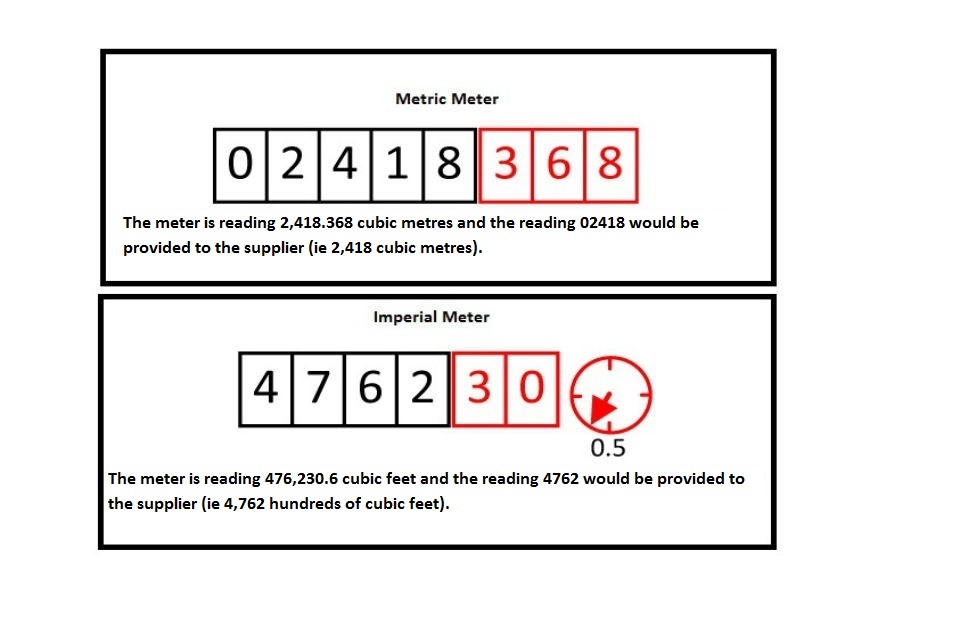
As a homeowner, understanding how to read your gas meter can be a lifesaver, especially during the winter months when energy consumption tends to increase. Accurately measuring your gas usage ensures you’re not overpaying for your energy bills, and it’s essential to communicate with your gas supplier about any changes in your consumption.
Understanding Gas Meter Basics
Before diving into the world of auto-reading gas meters, it’s crucial to grasp some fundamental concepts. The most common type of gas meter is the smart meter, which can be found in most homes. These devices display the current gas usage and provide a reading that can be accessed through various means.
Locating Your Gas Meter
The first step in understanding your gas meter is locating it. Typically, you’ll find the meter attached to the wall near the water meter or at the base of the gas line. Look for the following features:
- A small window with numbers and a red background
- A meter cover that allows access to the reading
Interpreting Your Gas Meter Reading
When accessing your gas meter reading, you’ll notice two parts: the main display showing the current consumption in meters cubed (m³) and the secondary display showing the decimal value. Ignore the decimal part for most purposes, as it’s not directly related to your energy bills.
Understanding Gas Meter Readings
Gas meter readings can be expressed in several ways:
- Base Rate: The fixed rate of gas consumption per unit of measurement (e.g., meters cubed)
- Standing Charge: A fixed charge applied to each meter reading, regardless of the actual gas consumption
- Variable Charge: A charge based on the actual gas consumption
Why is Auto-Reading Gas Meters Important?
Auto-reading gas meters enable you to communicate with your supplier about any changes in your consumption. This information allows them to adjust your billing and help you manage your energy usage more efficiently.
Popular Gas Suppliers Offering Auto-Reading Services
Several gas suppliers offer auto-reading services, allowing customers to easily access their meter readings:
- Enel Energia’s e-light Gas
- Acea Energia’s Acea Rapida Gas
These services typically involve:
- Calling the supplier via phone or fax
- Sending an SMS with your meter reading
- Accessing a dedicated online area on the supplier’s website
- Using a mobile app to retrieve your meter reading
Understanding Your Energy Bill
Your energy bill will include several components, including:
- Gas Consumption: The actual amount of gas used during a given period
- Stand Charge: A fixed charge applied to each meter reading, regardless of the actual gas consumption
- Variable Charges: A charge based on the actual gas consumption
How to Manage Your Energy Usage
To manage your energy usage effectively:
- Monitor Your Meter Reading: Keep track of your gas meter reading and notify your supplier if there’s a significant change.
- Adjust Your Consumption: Reduce your gas consumption by using energy-efficient appliances, turning off lights when not in use, and insulating your home.
- Choose the Right Plan: Select a plan that aligns with your energy usage patterns to avoid overpaying for unnecessary gas.
Common Gas Meter Readings
Gas meter readings can be confusing if you’re new to auto-reading meters. Here are some common readings:
- 0 m³: The reading indicates that no gas has been consumed during the given period.
- 50 m³: A relatively low reading, indicating minimal energy consumption.
- 100 m³: An average reading, reflecting moderate energy usage.
- 250 m³: A higher reading, suggesting increased energy consumption.
How to Contact Your Gas Supplier
If you have questions about your gas meter reading or need assistance with managing your energy usage:
- Visit the Supplier’s Website: Most suppliers provide a dedicated section for customer support and queries.
- Call the Supplier’s Customer Service Number: Reach out via phone to speak with a representative.
- Send an SMS with Your Meter Reading: Many suppliers offer this service, allowing you to receive assistance through your mobile device.
Conclusion
Understanding how to read your gas meter is crucial for managing your energy usage and avoiding unnecessary charges. By grasping the basics of auto-reading meters, locating them easily, interpreting readings accurately, and communicating effectively with your supplier, you can take control of your energy consumption.


