
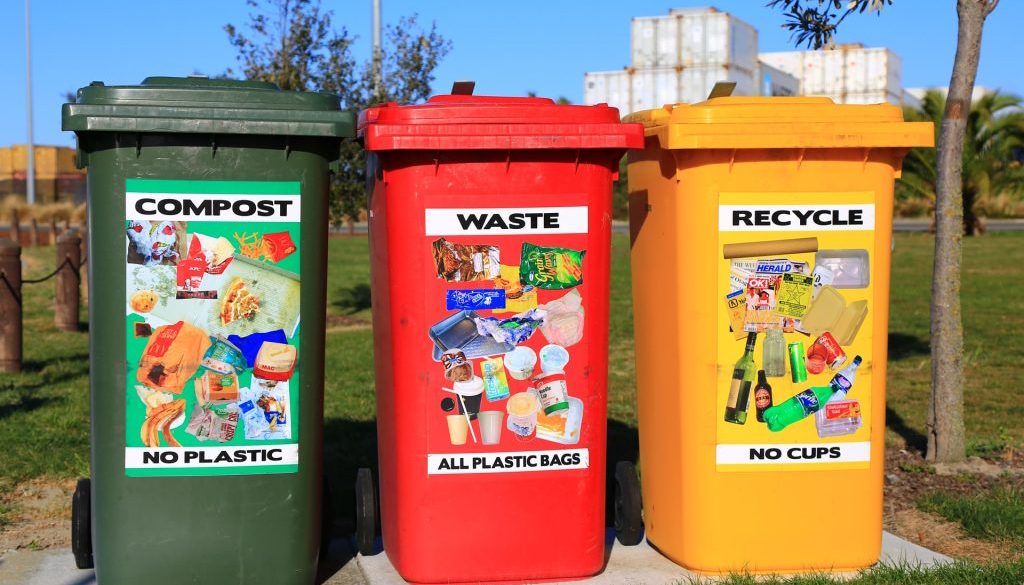
As we navigate the complexities of modern life, it’s easy to overlook the impact our daily habits have on the environment. One area where we can make a significant difference is in how we manage our waste. In this article, we’ll explore the importance of separating our trash and provide a simple framework for doing so.
Understanding Waste Management
In many communities, recycling and composting are standard practices to reduce landfill waste. However, the key to effective waste management lies in understanding what can be recycled, composted, or safely disposed of. While local authorities may provide specific guidelines for curbside collection, there are general principles that apply to all of us.
Until we recognize the importance of environmental sustainability, it’s our collective responsibility to make conscious choices about how we produce and consume waste. This includes not only individuals but also businesses and governments. By adopting sustainable practices, we can create a cultural shift towards a more eco-friendly way of living.
The Benefits of Separating Waste
Separating our trash can have a significant impact on reducing landfill waste. According to studies, implementing effective recycling programs and composting schemes can decrease waste sent to landfills by up to 75%. This is a substantial reduction that can make a real difference in protecting our planet.
So, how do we separate our waste? The answer lies in categorizing our trash into three main groups: organic waste, recyclable materials, and non-recyclable items. Let’s explore each category in more detail.
Organic Waste
Organic waste consists primarily of food scraps, such as leftover meat, dairy products, cereals, fruits, and vegetables that are no longer edible. The positive aspect of this type of waste is that it can decompose rapidly without harming the environment. In fact, organic waste can often serve as a valuable resource.
By separating our organic waste from the rest, we take the first step towards proper waste management. This not only reduces the amount of waste sent to landfills but also creates an opportunity for composting and reducing greenhouse gas emissions.
Recyclable Materials
The majority of recyclable materials can be found in this category. Once we exclude food scraps, what’s left are items that can be reused or transformed into new products. These include:
- Plastic
- Paper
- Glass
- Metal
By understanding what can and cannot be recycled, we can make informed decisions about how to manage our waste.
Non-Recyclable Items
While non-recyclable materials may not be suitable for recycling, they don’t necessarily mean they’re destined for the landfill. Some items in this category can still be reused or repurposed. These include:
- Electronics
- Toys
- Games
- Mixed-material objects
Before discarding these items, we should consider donating them to organizations that can give them new life.
Tips for Effective Waste Separation
To make the most of this framework, here are some practical tips for separating your trash effectively:
- Create a sorting system: Develop a simple and consistent method for categorizing your waste into organic, recyclable, and non-recyclable materials.
- Use bins and containers: Invest in separate bins or containers for each type of waste to keep them organized and out of sight.
- Label and sign up for curbside collection: Clearly label the bins with what can be recycled and composted, and arrange for regular pickup from your local waste management provider.
- Educate yourself on local guidelines: Familiarize yourself with specific regulations and guidelines for recycling and composting in your area to ensure you’re doing everything correctly.
Creating a Sustainable Lifestyle
Separating our trash is just the first step towards creating a more sustainable lifestyle. By adopting environmentally friendly practices, we can significantly reduce our impact on the planet.
Here are some additional tips for reducing waste and promoting sustainability:
- Buy in bulk: Purchase items like nuts, grains, and cleaning supplies in bulk to minimize packaging waste.
- Avoid single-use plastics: Refuse single-use plastics like bags, straws, and water bottles whenever possible.
- Choose products with minimal packaging: Select products that come with minimal or biodegradable packaging to reduce waste.
- Upcycle and repurpose: Get creative with old items by upcycling or repurposing them into new products.
Conclusion
Separating our trash is not only a moral imperative but also an opportunity for us to create positive change in the world. By understanding what types of waste can be recycled or composted and taking action, we can significantly reduce landfill waste.
As individuals, businesses, and governments, it’s time to take responsibility for our impact on the environment. Let’s work together to create a more sustainable future – one that’s free from unnecessary waste and pollution.
Frequently Asked Questions
- What types of food scraps are considered organic waste?
- Meat, dairy products, cereals, fruits, and vegetables that are no longer edible.
- Why is it important to separate recyclable materials from other trash?
- Recycling helps conserve natural resources and reduces the need for raw materials extraction.
- What happens to non-recyclable items once they’re collected?
- Some items may be donated, reused, or repurposed before being sent to landfills.
- Can I compost food scraps at home?
- Yes, composting is a great way to turn organic waste into nutrient-rich soil for your garden or houseplants.
- How can I get involved in local waste management initiatives?
- Look for opportunities to participate in community clean-up events, recycling programs, and advocacy groups focused on environmental sustainability.
- What are some creative ways to reuse non-recyclable materials?
- Think outside the box – consider upcycling old items into new products or finding alternative uses for discarded materials.
- How can I reduce my carbon footprint through waste management practices?
- Implementing sustainable waste management habits, such as reducing single-use plastics and composting food scraps, can significantly lower your environmental impact.
- Are there any local resources available to help me get started with waste reduction?
- Yes, many communities offer workshops, webinars, and educational materials on sustainable waste management practices – be sure to take advantage of these resources!



