
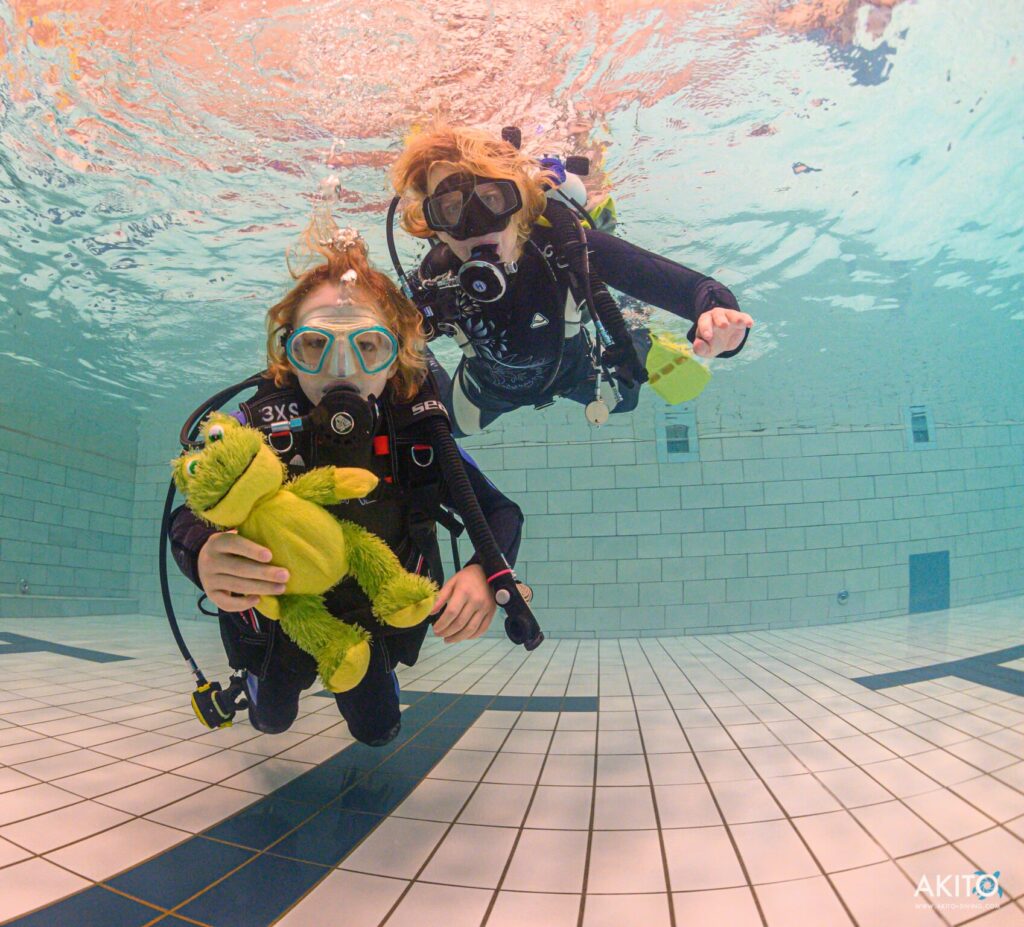
As a parent or guardian, it’s natural to worry about the safety of your child when they’re participating in an activity that involves water, such as diving. However, with proper planning, guidance, and training, children can learn to enjoy this exciting sport while minimizing risks.
Understanding the Importance of Certification
Before we dive into the details of diving with children, it’s essential to understand that certification is not just a requirement for adults but also for children. The PADI (Professional Association of Diving Instructors) recommends an age minimum of 8 years old for an introductory scuba diving course, while the FIPSAS (Fédération Internationale des Plongeurs et de l’Education Subaquatique) requires a minimum age of 14 years old for obtaining a full scuba diving certification.
Junior Open Water Divers: A Specialized Program
For children who are eager to start their diving journey, there are specialized programs designed specifically for them. The Junior Open Water Diver program is an excellent way for kids to learn the fundamentals of scuba diving while developing essential skills and confidence in the water.
This program is tailored to meet the unique needs of young divers, covering topics such as:
- Dive planning: Learning how to plan safe and enjoyable dives, including selecting dive sites and managing air supply.
- Equipment usage: Understanding how to properly use diving equipment, including mask, snorkel, and fins.
- Buoyancy control: Developing the skills needed to maintain a steady buoyancy while underwater.
- Emergency procedures: Learning what to do in case of an emergency, such as a dive-related injury or equipment failure.
Characteristics of a Successful Young Diver
So, what makes a young diver successful? According to experts, the following characteristics are crucial:
- Maturity: The ability to handle stress and emotions is vital. Children need to be able to relax and focus during dives.
- Education: Young divers must be able to apply theoretical knowledge in practical situations.
- Physical fitness: They should be comfortable in the water, able to swim, and physically capable of handling diving equipment.
Health Considerations
Before introducing your child to the world of diving, it’s crucial to consider their overall health. Certain conditions, such as:
- Infiammazioni (e.g., a cold): May make diving unsuitable for your child.
- Deficit dell’attenzione: Can affect their ability to focus during dives.
- Disturbi dell’apprendimento: May impact their ability to learn and retain information.
- Obesità grave: Can increase the risk of respiratory problems while diving.
- Asma: Requires special consideration and precautions.
Pre-Dive Preparations
Before taking the plunge, ensure that your child:
- Has undergone a thorough medical examination by a qualified doctor specializing in underwater medicine.
- Has received proper instruction and guidance from a certified dive professional.
- Is aware of the importance of staying hydrated during dives.
Safety First: A Parent’s Guide
As a parent, it’s essential to prioritize your child’s safety above all else. When diving with children, always:
- Ensure they are accompanied by an experienced adult who has received proper training and certification.
- Monitor their physical condition and watch for signs of exhaustion or distress.
- Keep a close eye on their air supply and make sure they understand the importance of staying hydrated.
Choosing the Right Equipment
When selecting diving equipment for your child, consider the following factors:
- Comfort: Choose gear that fits comfortably and is easy to maneuver.
- Safety: Ensure that the equipment meets international safety standards and is regularly inspected.
- Durability: Select gear that can withstand the rigors of frequent use.
Dive Site Selection
When selecting dive sites for your child, consider factors such as:
- Depth: Choose sites with shallow depths to minimize the risk of decompression sickness.
- Currents: Avoid areas with strong currents that may be difficult for young divers to navigate.
- Marine life: Select sites with gentle marine life to avoid any potential hazards.
Building Confidence
Building confidence is an essential aspect of a child’s diving experience. Here are some tips to help your child feel more comfortable in the water:
- Gradual exposure: Gradually introduce your child to the underwater world, starting with shallow waters and progressing to deeper depths.
- Positive reinforcement: Praise your child for their efforts and accomplishments, no matter how small.
- Encouragement: Encourage your child to try new things and push beyond their comfort zone.
By following these guidelines and taking a proactive approach to your child’s diving experience, you can help create lifelong memories while minimizing risks. So why not dive in and explore the underwater world together?


