
Understanding Oil Exhausts
In our quest to mitigate the damage we’ve been causing to our planet, various initiatives are underway to comprehend how to dispose of oil exhausts and raise awareness about this critical issue. However, it’s not as straightforward as we think. The term “exhaust” refers to highly polluting oils that can come from industrial sources, like engine oil, or domestic sources, such as used cooking oil.
It’s crucial to note that these oils shouldn’t be thrown away carelessly and dispersed in the environment, as they can release toxic substances into the air when burned. Moreover, when they enter water, they reduce oxygen availability for flora and fauna, making it essential to handle them with caution.
The Importance of Proper Disposal
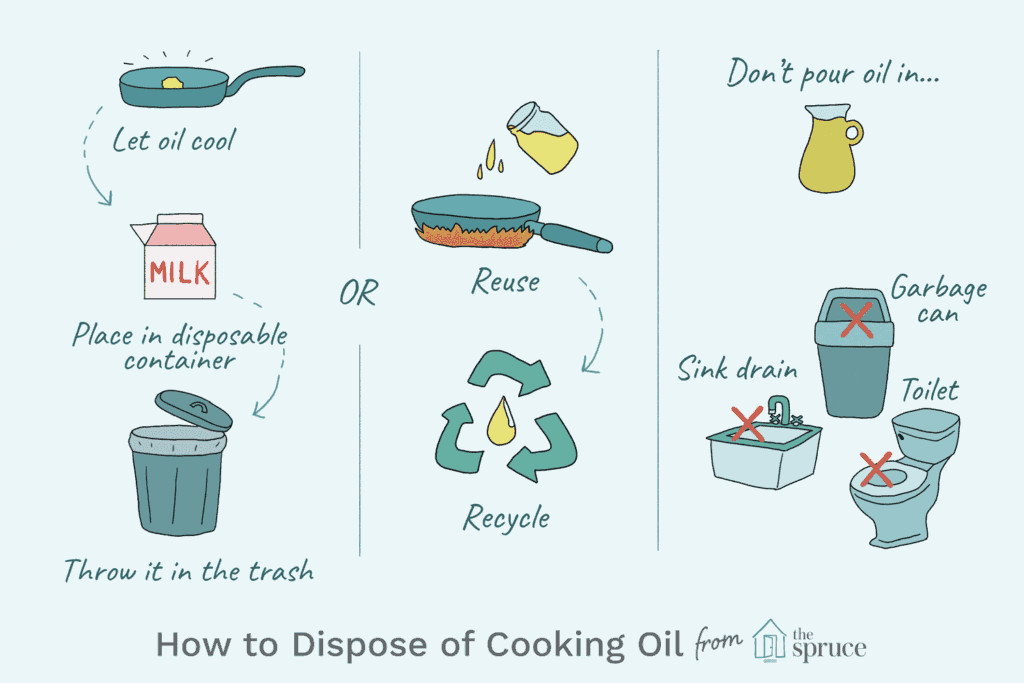
Domestic waste oil should never be dumped into household drains without being filtered first. This is because even if you burn these oils, they can still release toxic fumes that can harm human health. Instead, we need to find ways to dispose of oil exhausts responsibly and minimize their impact on the environment.
The Oil Exhaust Collection Process
To do this properly, it’s essential to recognize and set aside oil exhausts for collection by authorized companies. These organizations work together with government agencies to monitor and control the disposal process.
To find these authorized companies, you can start by visiting service stations or repair shops that are required to take back used oils. For larger quantities of domestic waste oil (less than 20 meters cubed), it’s best to contact a local agent who will transport the oil to the nearest recycling center.
For industries handling large amounts of oil exhausts (more than 20 meters cubed), direct contact with an authorized recycling facility is recommended, as they have the necessary equipment and expertise to handle these quantities safely.
Recycling Oil Exhausts
Now that we’ve discussed the disposal process, let’s delve into how oil exhausts are recycled once collected. The recycling process aims to minimize environmental impact while maximizing recovery of usable materials.
There are three primary methods of treating oil exhaust: regeneration, combustion, and thermodestruction.
Regeneration Method
This method involves transforming used oil into a reconditioned lubricant that is nearly identical in quality to new oil. This technique uses a chemical process to break down contaminants, producing a clean lubricant suitable for industrial use.
Benefits of Regeneration Method:
- Energy Saving: Regeneration saves energy by utilizing the original heat generated during production.
- Cost-Effective: Regenerated lubricants can be reused in various industries, reducing production costs and dependency on new resources.
- Reduced Pollution: By minimizing the need for virgin materials, regeneration helps decrease greenhouse gas emissions.
Combustion Method
In this approach, used oil is burned as fuel in cement production facilities. The resulting energy is harnessed and converted into electricity or heat.
Benefits of Combustion Method:
- Renewable Energy: Combustion produces energy from waste materials, reducing reliance on fossil fuels.
- Environmental Benefits: This process reduces greenhouse gas emissions and supports the development of sustainable infrastructure.
Thermodestruction Method
This method involves incinerating the oil exhausts to ensure complete destruction of all pollutants. This process destroys even the most resistant contaminants, including PCBs and chlorinated compounds, making it an effective way to neutralize hazardous waste.
Benefits of Thermodestruction Method:
- Toxic Substances Removal: Thermodestruction ensures that all hazardous materials are eliminated from the environment.
- Minimized Landfill Space: By incinerating oils, there’s less need for landfill space due to reduced volumes of solid waste.
Oil Exhausts in Italy
Now that we’ve explored the processes involved in disposing of oil exhausts, let’s examine their prevalence in Italy. Each year, around 280,000 tons of used oil are produced in Italy alone. This amount includes industrial sources and domestic waste, excluding restaurant waste, which adds another 60,000 tons.
These oils can have a devastating impact on the environment if not disposed of properly. If they penetrate soil or groundwater, it can lead to a range of problems for plants, animals, and human health.
Prevention Strategies
To minimize oil exhausts in Italy:
- Waste Oil Collection: Promote waste oil collection initiatives and educate communities on responsible disposal methods.
- Industrial Initiatives: Encourage industries to implement efficient oil management systems, reducing waste generation and promoting recycling.
- Public Awareness Campaigns: Launch public awareness campaigns to raise knowledge about the risks associated with improper oil disposal and promote sustainable practices.
Conclusion
Reducing oil exhausts is a pressing issue that requires immediate attention. By understanding how to dispose of these oils responsibly and exploring recycling options, we can make a significant difference in minimizing their environmental impact. It’s crucial to recognize the importance of proper disposal methods, including identifying authorized collection companies, recognizing the recycling processes available, and adopting environmentally friendly practices.
Frequently Asked Questions
Q: How can I dispose of oil exhausts responsibly?
A: You should recognize and set aside used oils for collection by authorized companies. Contact local service stations or repair shops to find out about responsible disposal options.
Q: What is the difference between regeneration, combustion, and thermodestruction methods?
A: Regeneration transforms used oil into a reconditioned lubricant. Combustion burns oil as fuel in cement production facilities. Thermodestruction incinerates the oils to ensure complete destruction of pollutants.
Q: How much oil waste are produced annually in Italy?
A: Around 280,000 tons of used oil are produced each year in Italy alone.
Q: What happens if oil exhausts penetrate soil or groundwater?
A: It can lead to a range of problems for plants, animals, and human health.


