
As a society, we are constantly grappling with the challenges of waste management. One aspect that is often overlooked is the disposal of tires, which pose significant environmental concerns if not handled properly. In this article, we will delve into the world of tire disposal and recycling, exploring the history behind the current regulations, the process of disposing of old tires, and the benefits of recycling.
The Problem of Tire Waste
With millions of cars on the road every day, the number of used tires is staggering. In Italy alone, there are over 380,000 tons of used tires that need to be disposed of each year. These tires can no longer be recovered or sold as used, and are beyond repair. The question remains: what happens to these waste tires?
The Changing Landscape of Tire Disposal
In 2011, the law changed, shifting the responsibility for tire disposal from the tire dealers to the consorium. This change created confusion among consumers, who were forced to pay for the disposal of their old tires when buying new ones. The PFU (Pneumatico Fuori Uso) regulation, which indicated that a tire was no longer usable, was designed to discourage waste by making consumers pay ahead of time for its disposal.
The Reality of Disposal
However, after eight years, this regulation still creates confusion. Sometimes it’s unclear who is paying for the disposal of old tires, and how much they should be paying. The consorium, which takes care of collecting used tires at no cost, must collect all tires, even if it means taking on excess waste.
The Importance of Consorium Registration
If you’re buying new tires and your old ones can’t be reused or recycled, it’s essential to know that a tire dealer cannot simply refuse them. They must register with a consorium free of charge, which then takes care of collecting the used tires at no cost.
Recycling: The Alternative to Disposal
If we can’t recycle or reuse a tire, we have to declare it out of service. It no longer has the characteristics that make it safe. In this case, it goes to special plants where rubber is recovered. However, recycling is not as simple as it seems.
The Science Behind Recycling
When a tire is recycled, we can obtain materials like rubber, steel, and textiles fibers, which can be used to create other objects. The good thing is that even when recycling this rubber, some of it remains. The goal is to separate rubber, steel, and textile fibers from the tire.
The Benefits of Recycling
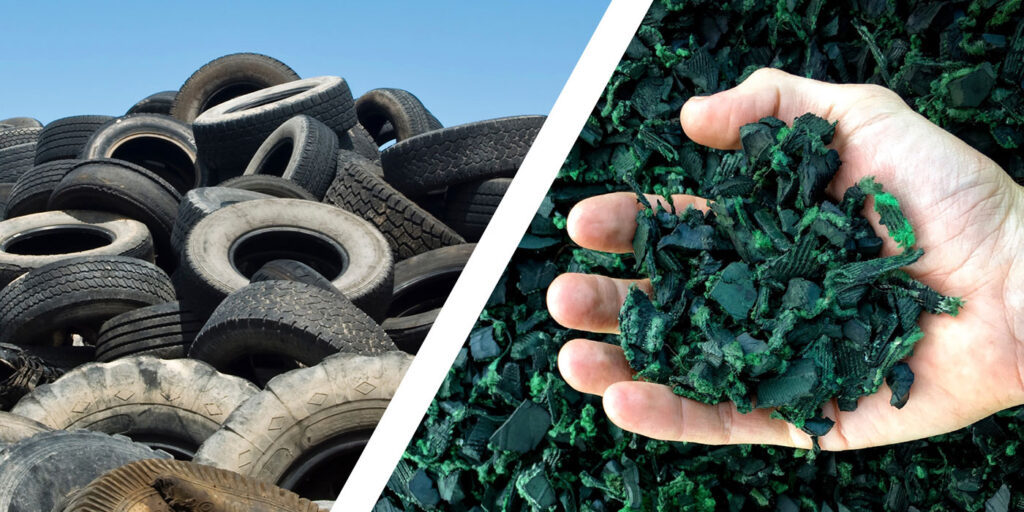
In recycling plants, old tires undergo mechanical grinding at room temperature and are transformed into small fragments. These materials can be used for various purposes:
- In fashion as packaging materials
- In construction because they have soundproofing and anti-vibration properties
We can find recycled tires used in playground flooring, sports fields, multi-purpose pavement surfaces, road infrastructure, bicycle lanes, urban furniture, and safety features on roads. The PFI (Pneumatico Fuori Uso) has a high calorific power, similar to that of coal, but it’s much less polluting.
The Challenges of Recycling Tires
Despite the benefits of recycling tires, there are several challenges associated with this process:
- Tire contamination: Tires can be contaminated with materials like glass, metal, or other plastics, which can make them difficult to recycle.
- Limited market demand: There may not be enough demand for recycled tire products, making it challenging to find buyers for these materials.
- High energy costs: Recycling tires requires a significant amount of energy, which can increase the overall cost of the process.
The Future of Tire Recycling
As technology advances and recycling practices become more efficient, we can expect to see an increase in the number of recycled tires. However, there are still several challenges that need to be addressed:
- Development of new technologies: New technologies and processes are needed to improve the efficiency and cost-effectiveness of tire recycling.
- Increased awareness: Raising awareness about the importance of tire recycling can help encourage more people to participate in this process.
- Government support: Governments can play a crucial role in supporting tire recycling by providing incentives and regulations that promote sustainable practices.
Conclusion
The future of waste management is in the hands of recycling. By understanding the process of tire disposal and recycling, we can work towards reducing waste and promoting sustainability. As consumers, it’s our responsibility to be aware of the impact of our actions on the environment. By making informed choices, we can create a better world for ourselves and future generations.
FAQs
- What happens to old tires that cannot be reused or recycled?
- They must be declared out of service and taken to special plants where rubber is recovered.
- Who is responsible for tire disposal?
- The consorium, which takes care of collecting used tires at no cost, is now responsible for tire disposal.
- Can I take my old tires to a recycling site?
- No, used tires are not meant for recycling and must be taken to special plants where rubber is recovered.
- What materials can be obtained from recycled tires?
- Rubber, steel, and textiles fibers can be obtained from recycled tires and used to create other objects.
- Why is recycling important?
- Recycling helps reduce waste and promotes sustainability by conserving natural resources and reducing pollution.
- How is the PFU regulation related to tire disposal?
- The PFU regulation was designed to discourage waste by making consumers pay ahead of time for its disposal.
- Can I still buy new tires without paying for disposal?
- Yes, as long as you register with a consorium free of charge and let them handle the collection of your old tires.
- What are some benefits of using recycled tires in construction?
- Recycled tires have soundproofing and anti-vibration properties, making them useful in construction projects.
Tire Disposal Regulations
In recent years, there has been a growing concern about tire disposal regulations. The PFU regulation, which was introduced in 2011, requires tire dealers to pay for the disposal of used tires. However, this regulation has been criticized for its complexity and lack of clarity.
The Need for Clearer Regulations
Clearer regulations are needed to ensure that consumers understand their responsibilities when it comes to tire disposal. This includes making it clear who is responsible for collecting used tires and how much they should be paying.
The Role of Government
Governments play a crucial role in promoting sustainable practices and reducing waste. By introducing clearer regulations and providing incentives, governments can encourage more people to participate in tire recycling.
The Impact on the Environment
Tire disposal has significant environmental impacts, including air pollution, water contamination, and soil degradation. By reducing our reliance on single-use tires, we can minimize these impacts and promote sustainability.
Conclusion
The future of waste management is in the hands of recycling. By understanding the process of tire disposal and recycling, we can work towards reducing waste and promoting sustainability. As consumers, it’s our responsibility to be aware of the impact of our actions on the environment. By making informed choices, we can create a better world for ourselves and future generations.
Recommendations
- Develop clearer regulations: Governments should develop clearer regulations that make it clear who is responsible for tire disposal and how much they should be paying.
- Increase awareness: Raising awareness about the importance of tire recycling can help encourage more people to participate in this process.
- Provide incentives: Governments should provide incentives, such as tax breaks or rebates, to encourage businesses and individuals to recycle tires.
- Invest in new technologies: Governments should invest in new technologies that improve the efficiency and cost-effectiveness of tire recycling.
Conclusion
The future of waste management is in the hands of recycling. By understanding the process of tire disposal and recycling, we can work towards reducing waste and promoting sustainability. As consumers, it’s our responsibility to be aware of the impact of our actions on the environment. By making informed choices, we can create a better world for ourselves and future generations.
Conclusion
The future of waste management is in the hands of recycling. By understanding the process of tire disposal and recycling, we can work towards reducing waste and promoting sustainability. As consumers, it’s our responsibility to be aware of the impact of our actions on the environment.


