
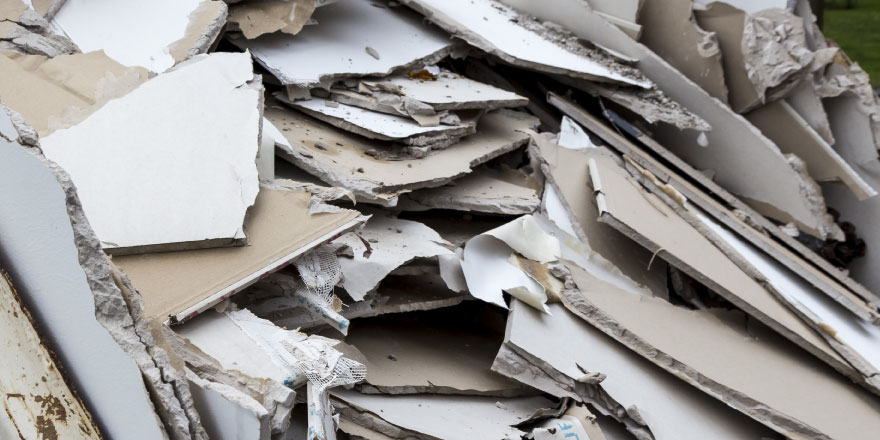
As a homeowner or builder, it’s essential to dispose of gypsum board, also known as cartongesso, in an environmentally responsible manner. Failure to do so can lead to severe consequences, including contamination of soil and water sources. In this article, we’ll explore the proper disposal methods for gypsum board, highlighting the importance of adhering to local regulations.
Understanding Gypsum Board Waste
Gypsum board is a widely used material in construction, particularly in building insulation and drywall. However, when it reaches its end-of-life cycle, it becomes a non-hazardous waste that cannot be disposed of in regular trash bins. This is because gypsum board is made from natural materials that can contaminate soil and water if not handled properly.
Regulatory Framework
To ensure safe disposal of gypsum board, it’s crucial to comply with local regulations. In Italy, the Waste Law (D.Lgs. n°36/2003) and the relevant decree (D.M. 13 marzo 2003) govern the disposal of non-hazardous waste, including gypsum board.
Proper Disposal Methods
While it’s possible to dispose of gypsum board at home, it’s not recommended. Instead, follow these steps:
Hiring a Professional
- Contact your local municipality to inquire about their waste management services.
- Ask about the availability of designated collection points for non-hazardous waste.
- Schedule a pickup or arrange for a private collector to take away the gypsum board.
Alternatively, you can search online for specialized companies that handle gypsum board disposal.
Recycling and Recovery
Many wonder if gypsum board can be recycled. Fortunately, yes! Some facilities, like the one in Limbiate, near Milan, use advanced machinery to separate the gypsum from the carton coating of the lastres.
Here’s an overview of the process:
- Sorting: The gypsum board is sorted by hand or using a mechanical sorter to distinguish between different types of waste.
- Crushing: The carton coating is crushed into small pieces, allowing it to be easily transported away from the site.
- Separation: A specialized machine, known as a “ragno,” separates the gypsum from the carton at high speed and precision.
- Gypsum Recovery: The recovered gypsum can be used in various applications, such as:
- New gesso production
- Production of cement
- Malting for building materials
The carton coating, on the other hand, is sent to paper mills for recycling into new cardboard products.
Benefits of Recycling Gypsum Board
Recycling gypsum board offers several benefits:
- Conservation of natural resources: By reusing gypsum, we reduce the need for virgin material and minimize waste.
- Energy savings: The energy required for producing new gypsum is significantly lower than that needed to produce cement from raw materials.
- Reduced greenhouse gas emissions: Recycling gypsum reduces the amount of CO2 emitted during production processes.
- Job creation: Recycling gypsum can create employment opportunities in industries involved in waste management and recycling.
Challenges and Limitations
While recycling gypsum board is beneficial, there are challenges to overcome:
- Availability of specialized facilities: The number of facilities capable of processing gypsum board for recycling is limited.
- Cost: Recycled gypsum may be more expensive than virgin material due to transportation costs and labor expenses.
- Quality variability: The quality of recycled gypsum can vary depending on the source and processing methods used.
Best Practices for Gypsum Board Recycling
To ensure that gypsum board is handled responsibly, follow these best practices:
- Sort and categorize: Separate gypsum board from other types of waste to facilitate recycling.
- Contact local facilities: Reach out to local companies or municipalities offering gypsum board recycling services.
- Follow guidelines: Adhere to the guidelines set by local authorities regarding waste management and recycling.
Conclusion
Proper disposal of gypsum board requires careful consideration and adherence to local regulations. By hiring a professional, working with specialized companies, and embracing recycling practices, we can ensure that this valuable material is handled responsibly and recycled whenever possible.
Stay tuned for our next article on sustainable building practices!
Frequently Asked Questions (FAQs)
- Q: Can I dispose of gypsum board in regular trash bins?
A: No, it’s not recommended to dispose of gypsum board in regular trash bins, as it can contaminate soil and water sources.
2. Q: Where can I find companies that specialize in gypsum board disposal?
A: You can search online for “specialized companies smaltimento cartongesso” or contact your local municipality for recommendations.
3. Q: Can gypsum board be recycled?
A: Yes, some facilities use advanced machinery to separate and recover gypsum from the carton coating of lastres.
4. Q: What happens to the carton coating after separation?
A: The carton coating is sent to paper mills for recycling into new cardboard products.
5. Q: Is it possible to dispose of gypsum board at home?
A: While technically possible, it’s not recommended due to safety concerns and potential environmental impacts.
6. Q: Can I use recycled gypsum in construction projects?
A: Yes, reclaimed gypsum can be used as a sustainable alternative to virgin gypsum in various building applications.
- Q: What are the regulations regarding gypsum board disposal in my area?
A: Contact your local municipality for information on waste management services and designated collection points.
8. Q: How can I reduce my environmental impact by choosing more sustainable materials?
A: By opting for recycled or sustainably sourced materials, such as reclaimed wood, low-VOC paints, or energy-efficient insulation, you can contribute to a reduced carbon footprint.
- Q: Can I sell gypsum board to a recycling facility?
A: Yes, some facilities will accept gypsum board from individuals and businesses; contact local recycling companies for more information.
10. Q: What are the benefits of proper gypsum board disposal?
A: Proper disposal helps prevent contamination of soil and water sources, conserves natural resources, and promotes sustainable waste management practices.


