
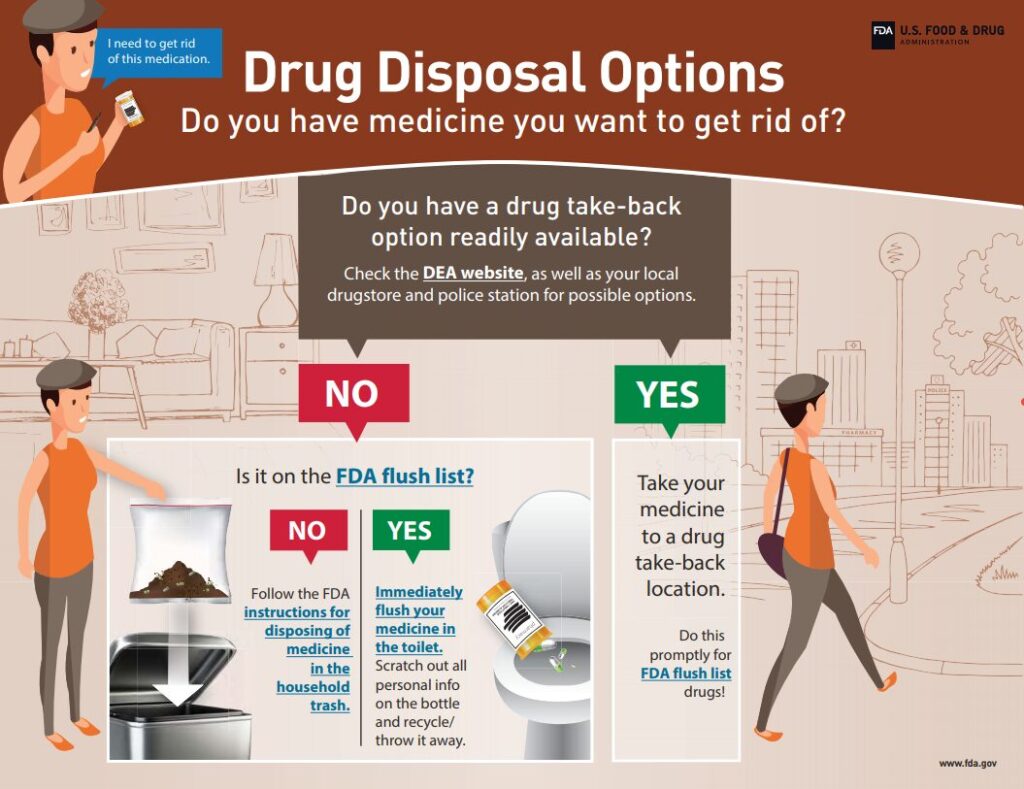
As we go about our daily lives, it’s easy to overlook the importance of proper waste disposal. One often-overlooked category of hazardous waste is expired medicines, also known as “rifiuti pericolosi” in Italian. When we talk about hazardous waste, we don’t just think of industrial byproducts or construction materials; we also produce a significant amount of household hazardous waste, including expired medications.
Why Dispose of Expired Medicines Properly?
Expired medicines are considered hazardous waste because they can contaminate soil and water if not disposed of properly. When we dispose of expired medicines in the trash without proper precautions, it can lead to environmental pollution and harm humans. Therefore, it’s crucial to understand how to properly dispose of expired medicines.
The Dangers of Improper Disposal
Improper disposal of expired medicines can have serious consequences for human health and the environment. Some of these dangers include:
- Water pollution: Expired medicines can contaminate water sources, posing a risk to aquatic life and human consumption.
- Soil pollution: Expired medicines can also contaminate soil, affecting plant growth and animal habitats.
- Human health risks: Improper disposal of expired medicines can lead to exposure to toxic substances, causing a range of health problems.
The Benefits of Proper Disposal
Proper disposal of expired medicines can have numerous benefits for human health and the environment. Some of these benefits include:
- Reduced environmental pollution: Proper disposal of expired medicines can reduce the risk of water and soil contamination.
- Improved public health: By reducing exposure to toxic substances, proper disposal of expired medicines can improve public health outcomes.
- Community safety: Proper disposal of expired medicines can also enhance community safety by reducing the risk of accidents and injuries.
Where Can I Take My Expired Medicines?
To dispose of expired medicines safely, you’ll need to take them to a designated collection point or drop them off at your local pharmacy or doctor’s office. These locations often have special collection bins for hazardous waste, including medicines.
What Types of Medicines Need Special Disposal?
Not all expired medicines require special disposal, but some do. Here are some examples:
- All syrups: Syrups come in a variety of flavors and are commonly used to treat various health issues.
- All medications in pill or tablet form: These include painkillers, antihistamines, and other types of medication.
- All medications in bottle form: This includes liquid medications like cough syrups and ointments.
- Finger prick test tubes (pricking blood tests)
- Cleaning products
What Can’t Be Put in the Red Bin?
When disposing of expired medicines, there are some items that cannot be placed in the red bin:
- The leaflet or packaging for the medication, if it’s in cardboard.
- Any other non-hazardous waste.
Tips for Safe Disposal
To ensure safe disposal, follow these tips:
- Check expiration dates: Periodically check the expiration dates of your medications to avoid overusing them.
- Store medications safely: Keep medications in a cool, dry place and out of reach of children.
- Use proper containers: Store medications in their original containers or use tamper-evident bags.
Disposing of Used Needles Safely
When disposing of used needles, follow these steps:
- Wrap the needle: Wrap the needle in plastic tape to prevent accidental puncture.
- Place in a sharps container: Put the wrapped needle in a sharp container or a designated sharps container at your local pharmacy.
Additional Tips
To ensure safe disposal, here are some additional tips:
- Consult with your doctor or pharmacist: If you’re unsure about how to dispose of expired medicines, consult with your doctor or pharmacist for guidance.
- Participate in community collections: Many communities have special collection events for hazardous waste, including expired medicines.
Creating a Safe Disposal Plan
To ensure safe disposal of expired medicines, create a plan that includes the following steps:
- Identify local collection points: Find designated collection points for expired medicines near your home or workplace.
- Set reminders: Schedule regular reminders to check expiration dates and dispose of expired medicines safely.
- Educate others: Share information about safe disposal practices with friends, family, and colleagues.
By following these guidelines and taking the necessary precautions, you can help ensure safe disposal of expired medicines and protect the environment.
Community Involvement
Community involvement is crucial for ensuring safe disposal of expired medicines. Here are some ways to get involved:
- Participate in community collections: Attend special collection events for hazardous waste, including expired medicines.
- Spread awareness: Share information about safe disposal practices with friends, family, and colleagues.
- Support local initiatives: Encourage your local government to implement programs for safe disposal of expired medicines.
Conclusion
Safe disposal of expired medicines is a critical aspect of environmental protection. By understanding the dangers of improper disposal and following proper disposal guidelines, we can reduce the risk of water and soil contamination and improve public health outcomes.


