
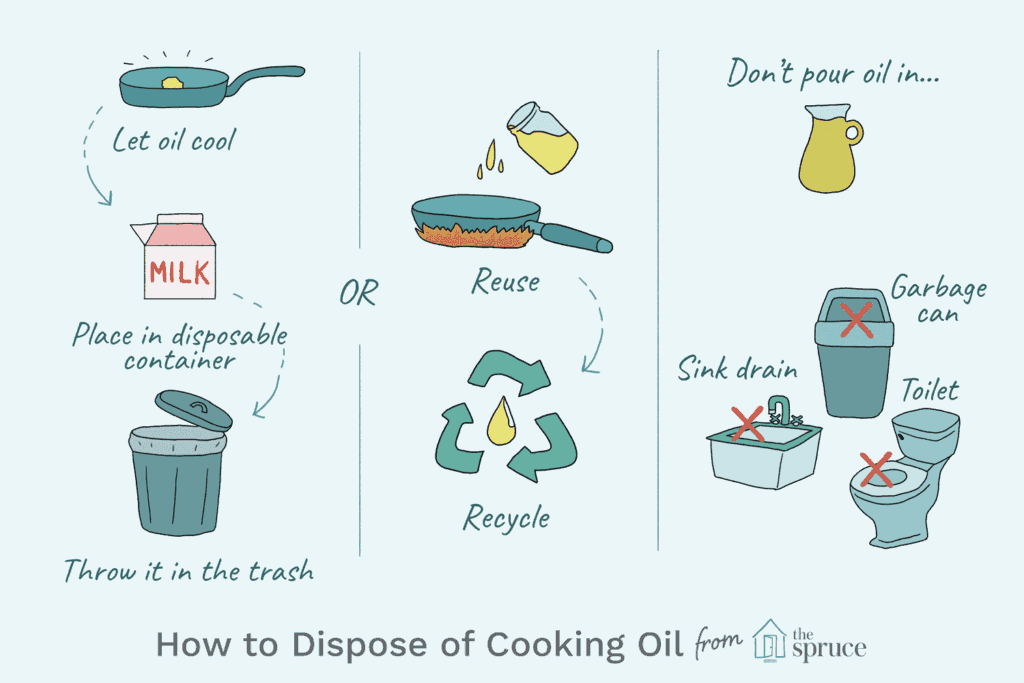
When we think about cooking, who among us doesn’t love the crispy texture and flavor of fried foods? However, as we finish our delicious meals, we’re often left with the daunting task of properly disposing of used cooking oil. Unfortunately, many of us don’t take this responsibility seriously, leading to environmental disasters.
Why Properly Dispose of Cooking Oil Matters
Did you know that in Italy alone, approximately 200,000 tons of discarded cooking oil end up in the environment each year? This contaminated oil can pollute our soil and water, causing irreparable harm to our ecosystem. In this article, we’ll explore why properly disposing of used cooking oil is crucial and how you can do it correctly.
The Risks Associated with Improper Disposal
Improper disposal of used cooking oil can lead to a variety of environmental problems:
- Pollution: Used cooking oil can contaminate soil and water, leading to the destruction of ecosystems.
- Climate Change: The burning of discarded cooking oil contributes to greenhouse gas emissions, exacerbating climate change.
- Air Quality: Burning used cooking oil releases toxic fumes that harm human health.
Recycling Cooking Oil: A Viable Option
Before diving into proper disposal methods, let’s examine recycling cooking oil as a viable alternative. Some may argue that reusing the same oil for multiple frying sessions is acceptable, but recent research suggests otherwise. It’s best to avoid reusing cooking oil due to potential health risks.
The Dangers of Reusing Cooking Oil
Reusing cooking oil can lead to serious health problems:
- Food Poisoning: Used cooking oil can harbor bacteria and other pathogens that can cause food poisoning.
- Allergies and Sensitivities: Some people may experience allergic reactions or sensitivities when consuming food cooked in reused oil.
Best Practices for Recycling Cooking Oil
If you still want to reuse your cooking oil, follow these guidelines:
- Strain the oil: Pass the used oil through a cheesecloth or fine-mesh sieve to remove any food particles.
- Separate oil uses: Don’t mix different types of oil; use one type for frying vegetables and another for frying meat products.
- Store the oil properly: Keep the stored oil in an airtight container in a cool, dark place.
Proper Storage and Conservation Methods
To extend the life of your cooking oil, follow these storage tips:
- Store the oil in an airtight container to prevent contamination and spoilage.
- Keep it away from direct sunlight and heat sources.
- If you won’t be using the oil for a while, consider refrigerating or freezing it.
Checking Oil Quality
Before reusing your cooking oil, inspect its condition:
- Check for signs of oxidation (dark color, thick consistency).
- Smell the oil; if it has an unpleasant odor, it’s time to discard it.
- Be cautious when using oil with high levels of particulate matter.
Temperature Considerations
If you notice your cooking oil reaching a temperature above 190°C (374°F), don’t use it for frying. This could lead to unhealthy compounds forming in the oil.
Alternative Uses for Used Cooking Oil
Did you know that used cooking oil can be repurposed for various creative projects? Some examples include:
- Making homemade soap
- Creating natural insecticides
- Feeding certain domestic animals
While reusing cooking oil can be beneficial for the environment, it’s essential to prioritize proper disposal methods.
Proper Disposal Methods
To avoid environmental harm, follow these steps when disposing of used cooking oil:
- Collect the oil in clean, airtight containers.
- Take the collected oil to designated recycling centers or collection points in your area.
- Consider participating in community-based oil collection programs.
Benefits of Proper Disposal
Proper disposal of used cooking oil has numerous benefits for both humans and the environment:
- Protects Water Sources: Preventing contaminated water sources helps preserve natural habitats and ecosystems.
- Reduces Greenhouse Gas Emissions: Discarding used cooking oil through proper channels reduces greenhouse gas emissions from burning contaminated oil.
- Promotes Sustainable Practices: Proper disposal of used cooking oil encourages sustainable practices, protecting the environment for future generations.
By following these guidelines and best practices, you’ll not only be contributing to environmental sustainability but also ensuring food safety for yourself and others.


