
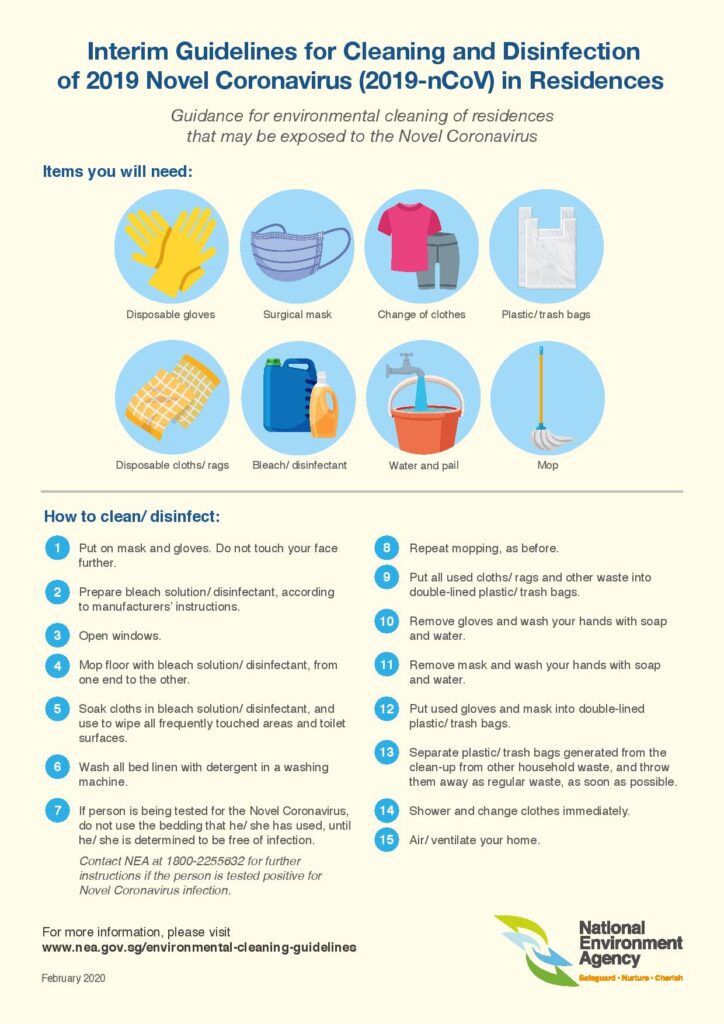
As we navigate our homes 24/7, or almost, to avoid the risk of infection, it’s essential to understand how to disinfect your home from Coronavirus. We’re not looking for a complete overhaul, but rather a thorough cleaning and frequency adjustment to maintain a high level of hygiene.
The COVID-19 pandemic has taught us the importance of cleanliness and the need for constant vigilance. As we continue to live with this virus, it’s crucial that we take proactive steps to protect ourselves and our loved ones. One way to do this is by disinfecting our homes regularly.
What to Disinfect in Your Home
When fighting against dust, we know that certain areas are more hazardous than others. When it comes to Coronaviruses, we don’t have specific references, so we must clean everything with increased care and frequency. While our home’s cleanliness is already acceptable, increasing the effort will help prevent Coronavirus transmission.
Pay special attention to flooring and flat surfaces, especially in bathrooms, kitchens, living rooms, sofas, and armchairs. These areas are more prone to touch and can harbor viruses for longer periods.
High-Touch Areas: A Special Focus
The Centers for Disease Control and Prevention (CDC) has identified certain high-touch areas that are more likely to spread the virus. These include:
- Door handles
- Light switches
- Remote controls
- Countertops
- Sinks
- Faucets
- Toilets
- Showers
- Bathtubs
These areas require extra attention and disinfection to minimize the risk of transmission.
Disinfecting Strategies for High-Touch Areas
To effectively disinfect high-touch areas, follow these strategies:
- Use a disinfectant spray: Spray a disinfectant onto the surface, making sure to cover all areas evenly.
- Let it sit: Allow the disinfectant to sit on the surface for the recommended amount of time (usually 1-3 minutes).
- Wipe down: Use a clean cloth or paper towel to wipe down the surface, making sure to remove any dirt, grime, or viruses.
Disinfecting Products to Use
When cleaning, our primary concern should be protecting ourselves and washing our hands afterward. Before starting, put on gloves to ensure freedom of movement.
Next, select products for use. Napisan is an excellent choice and shouldn’t be overused, as it’s essential to follow the recommended dosage. To avoid mixing different chemicals, consider making your own disinfectant or using a product with 75% alcohol and hypochlorous acid (0.5%).
When using sprays, apply them correctly to avoid overdose. Apply directly to surfaces or our cleaning cloths.
Choosing the Right Disinfectant
For best results, use the Bialcol product, known as Bialcol Med. The normal alcohol found in stores is not suitable due to its suboptimal concentration and bacteriostatic properties, not bactericidal ones. Apply it after water and soap treatment.
Disinfection Tips and Best Practices
Don’t get caught off guard; keep an eye out for two critical areas: shoes and phones.
Remove your shoes as soon as you enter the house. Create a designated “shoe-changing area” to help maintain this new habit.
Additionally, pay attention to your phone, which is always in hand and may transmit viruses when touched both indoors and outdoors.
To minimize risk, pass your phone with 70% alcohol or use glass cleaner on your computer keyboard.
Tips for Disinfecting Common Household Items
- Doorknobs: Use a disinfectant spray to wipe down doorknobs regularly.
- Remote controls: Wipe down remote controls with a disinfectant cloth after each use.
- Countertops: Clean and disinfect countertops daily, paying special attention to areas around sinks and faucets.
How Often Should You Disinfect?
The frequency of disinfection depends on various factors, including:
- Traffic: High-traffic areas require more frequent disinfection.
- Occupancy: Areas that are occupied by multiple people require more frequent disinfection.
- Personal hygiene habits: Regular handwashing and proper hygiene practices can reduce the need for frequent disinfection.
As a general rule, disinfect high-touch areas at least once daily, and perform deeper cleans every 1-2 weeks.
Tips for Maintaining Air Quality
Maintaining good air quality is essential in preventing the spread of viruses. Here are some tips:
- Use HEPA filters: Install HEPA filters on your air purifiers to reduce airborne virus transmission.
- Leave windows open: Open windows for ventilation, especially when using air purifiers or running fans.
- Avoid overcrowding: Maintain a safe distance between people to prevent the spread of viruses.
Conclusion
Disinfecting your home is an essential step in preventing the spread of Coronaviruses. By following these guidelines and best practices, you can significantly reduce the risk of transmission and create a healthier environment for yourself and your loved ones.
Remember, it’s not just about disinfecting surfaces; it’s also about maintaining good hygiene habits, using the right products, and being mindful of high-touch areas.
By taking proactive steps to protect ourselves and our homes, we can minimize the risk of Coronavirus transmission and create a safer, healthier community for everyone.


