
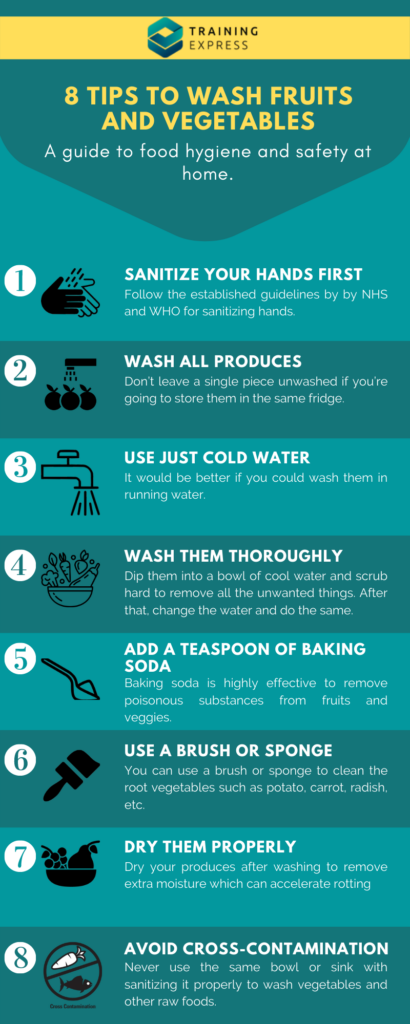
As a nutritionist, it’s recommended to consume a variety of fresh fruits and vegetables. However, studies have shown that pesticides on these foods can be detrimental to our health. In this article, we’ll not only discuss how to clean fresh fruits and vegetables but also provide tips on how to choose the best products and protect yourself from pesticides.
Choosing Fresh Fruits and Vegetables
The food industry has developed certain cultivars over the years that prioritize appearance and productivity over nutritional value. This means that many commercial produce items are not as nutritious as they could be. For example, most grains used in pasta and bread production are not whole grains but rather refined grains.
One notable case is rice. There are over 30,000 varieties of rice worldwide, yet the ones commonly found in supermarkets are often low in nutrients due to selective breeding for ease of cultivation and higher yields. A study by Dr. Donald R. Davis at the University of Texas revealed that the nutritional quality of rice has decreased significantly over the past 50 years. The main reason? Intensive agriculture.
So why is this important?
Selecting Fresh Produce
While removing pesticides from fresh fruits and vegetables is crucial, choosing products with fewer or no artificial additives is equally essential. Buying organic doesn’t always mean you’ll spend more money! In fact, consider talking to friends and family members who have a connection to the land – they might know of a local farmer who still grows produce “the old-fashioned way.” Joining small-scale purchasing groups can also help you obtain fresher products directly from farmers.
Another option is looking for products that bear certification labels like IGPe DOP. These labels ensure that the produce comes from specific cultivars originating from designated areas, such as Arancia IGP of Gargano, Asparago Bianco di Cimadolmo, or Carciofo Romanesco del Lazio. In this context, farmers (regardless of their size) are required to follow traditional growing practices.
Cleaning Fresh Fruits and Vegetables
Pesticides and herbicides often deposit on fruits and vegetables before being consumed through our plates and cooking water. Some people recommend leaving fresh produce in a bath of water with vinegar or lemon for several minutes, while others suggest using baking soda as an effective natural disinfectant.
Here’s how to clean your fruits and vegetables effectively:
- Rinse the produce under running water.
- Soak it in a solution made from half cup of white vinegar mixed with two gallons of water for at least 10 minutes.
- Alternatively, use one tablespoon of baking soda per liter of water and soak for ten minutes.
The key is to rinse thoroughly after soaking in the solution.
Using Disinfectants Like Amuchina
While using disinfectants like Amuchina may seem tempting, it’s crucial to understand that these products can only be used in extreme situations or when traveling abroad. In these scenarios, they may help protect against harmful parasites and microorganisms.
Another creative approach is cultivating your own fresh produce at home. Consider setting up an indoor garden on a balcony!
Additional Tips
If you’re interested in exploring the benefits of specific fruits like Guava or Pears, check out our articles on those topics.
Lastly, if you’d like to explore more composition ideas involving fresh fruits and vegetables, feel free to visit our page on Composizioni di Frutta.
By following these steps and choosing high-quality products, we can reduce our exposure to pesticides and enjoy the numerous health benefits of fresh produce.
Benefits of Choosing Fresh Fruits and Vegetables
Choosing fresh fruits and vegetables offers numerous benefits for our health. These include:
- Reducing Pesticide Exposure: Washing your fruits and vegetables thoroughly before consumption significantly reduces pesticide exposure.
- Boosting Nutritional Value: Fresh fruits and vegetables contain essential vitamins, minerals, antioxidants, and fiber that support optimal nutrition and overall well-being.
- Enhancing Immune Function: Eating a variety of fresh produce helps boost the immune system by providing vital nutrients for immune function and cell growth.
- Supporting Healthy Weight Management: Incorporating fresh fruits and vegetables into your diet can aid in weight loss or maintenance, as they are generally low in calories.
By making informed choices about the food you consume, you can significantly improve your overall health and well-being.
FAQs:
- Q: What is the best way to clean my fruits and vegetables?
A: The most effective method involves soaking in a solution made from white vinegar or baking soda mixed with water for at least ten minutes, followed by thorough rinsing under running water. - Q: Can I use Amuchina as a regular cleaning agent for fresh produce?
A: No, it’s recommended to reserve this product for specific emergency situations where pesticides may be present on the produce. - Q: What certifications should I look for when purchasing organic fruits and vegetables?
A: Labels like IGPe DOP guarantee that the products come from specific cultivars originating from designated areas. - Q: How can I reduce my exposure to pesticide residues in fresh produce?
A: Buying locally sourced, organic fruits and vegetables is always a good option, along with choosing products with fewer or no artificial additives. - Q: What are some creative ways to use fresh fruits and vegetables in cooking?
A: Feel free to explore our articles on the benefits of different fruits and vegetables, as well as composition ideas using these ingredients.
By following these steps and making informed choices, we can all take a step towards enjoying healthier meals with reduced pesticide exposure.


