
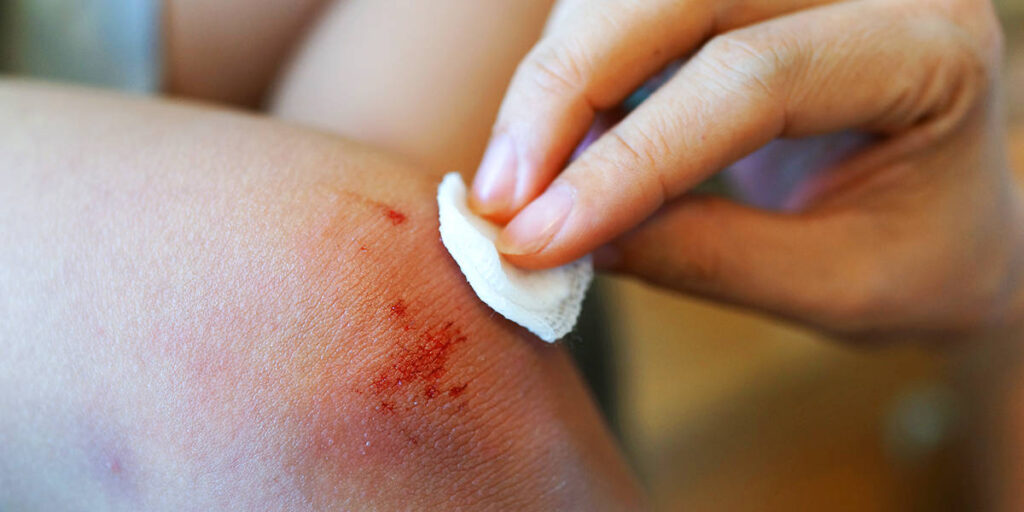
As we go about our daily lives, accidents can happen. In an instant, what seems like a minor cut or scrape can become a serious wound that requires proper care and attention. In this article, we will explore the best practices for disinfecting wounds, from superficial cuts to deeper lacerations.
Understanding Wound Classification
Before we dive into the nitty-gritty of wound disinfection, it’s essential to understand the different types of wounds. These can be classified based on their depth and severity:
- Superficial wounds: These are the most common type of wound and typically require minimal treatment.
- Examples: cuts, scrapes, burns
- Deep wounds: These wounds penetrate deeper into the skin and may require stitches or other surgical interventions.
- Examples: lacerations, puncture wounds
- Penetrating wounds: These wounds can cause internal injuries, such as organ damage, and require immediate medical attention.
- Examples: gunshot wounds, stab wounds
Disinfecting Wounds: A Step-by-Step Guide
When it comes to disinfecting a wound, timing is everything. Here’s a step-by-step guide on how to do it properly:
- Apply gentle pressure: Use a clean cloth or gauze to apply gentle pressure to the wound, helping to stop any bleeding.
- Apply pressure for about 5-10 minutes to help stop bleeding and promote clotting
- Clean and disinfect: If you don’t have a disinfectant on hand, mix water with mild soap to create a solution that can be used to clean the wound.
- Use lukewarm or cool water, as hot water can irritate the skin
- Apply a disinfectant: Once the wound is clean, apply a disinfectant specifically designed for wounds. Some popular options include hydrogen peroxide and iodine.
- Apply the disinfectant directly to the wound, using a clean gauze or cotton ball if necessary
- Let it dry: Allow the disinfectant to air dry completely before applying a bandage or dressing.
- Avoid touching the wound until it is fully dry and healed
Identifying Infected Wounds
It’s crucial to monitor your wound for signs of infection, such as:
- Redness and swelling around the wound
- Increased pain or tenderness
- Pus or discharge from the wound
- A foul odor
- Red streaks leading from the wound
If you notice any of these symptoms, seek medical attention immediately.
Preventing Infections
In addition to disinfecting wounds, there are several other steps you can take to prevent infections:
- Practice good hygiene: Wash your hands frequently and thoroughly.
- Use soap and water for at least 20 seconds
- Avoid sharing personal items: Refrain from sharing razors, nail clippers, or other personal care items that could come into contact with open wounds.
- Get vaccinated: Make sure you’re up-to-date on all necessary vaccinations, including those for tetanus and diphtheria.
Frequent Questions
Here are some frequently asked questions about wound disinfection:
- Q: Can I use antibacterial soap to disinfect a wound?
A: No, antibacterial soap is not suitable for disinfecting wounds. Instead, use a disinfectant specifically designed for wounds. - Q: How often should I change bandages on a wound?
A: It’s generally recommended to change bandages every 24-48 hours or when they become wet or dirty. - Q: Can I treat a wounded animal the same way as human wounds?
A: No, treating a wounded animal requires special care and attention. Consult with a veterinarian for guidance.
Disinfectant Options
There are several disinfectants available on the market, each with its own unique properties and benefits. Some popular options include:
- Hydrogen peroxide: This is a common household item that can be used to disinfect wounds.
- Mix equal parts hydrogen peroxide and water to create a solution
- Iodine tincture: This is a liquid form of iodine that is commonly used to disinfect wounds.
- Follow the instructions on the label for proper use
- Bleach: This is a strong disinfectant that should be used with caution when treating wounds.
- Mix 1 part bleach with 10 parts water and apply to the wound
Wound Disinfection Tools
There are several tools available that can aid in the process of wound disinfection. Some popular options include:
- Gauze pads: These are small, absorbent pads that can be used to clean and disinfect wounds.
- Use a new gauze pad for each application
- Cotton balls: These are small, absorbent balls that can be used to apply disinfectants or other treatments to wounds.
- Use a new cotton ball for each application
- Antiseptic wipes: These are pre-moistened wipes that contain antiseptic agents and can be used to clean and disinfect wounds.
- Follow the instructions on the label for proper use
Disinfection Techniques
There are several techniques that can aid in the process of wound disinfection. Some popular options include:
- Dabbing: This involves applying a small amount of disinfectant directly to the wound using a gauze pad or cotton ball.
- Use a gentle, dabbing motion to apply the disinfectant
- Sponging: This involves applying a larger amount of disinfectant to the wound using a sponge or cloth.
- Use a gentle, sweeping motion to apply the disinfectant
- Spraying: This involves spraying disinfectant directly onto the wound from a distance.
- Use a fine spray nozzle to avoid oversaturating the wound
Common Mistakes
There are several common mistakes that can occur when treating wounds with disinfection. Some popular options include:
- Not applying enough pressure: Failing to apply enough pressure to stop bleeding and promote clotting can lead to further injury.
- Apply gentle pressure for about 5-10 minutes to help stop bleeding
- Using the wrong disinfectant: Using a disinfectant that is not specifically designed for wounds can lead to irritation or other adverse reactions.
- Use a disinfectant specifically designed for wounds, such as hydrogen peroxide or iodine tincture
- Not changing bandages frequently enough: Failing to change bandages frequently enough can lead to the growth of bacteria and other microorganisms.
- Change bandages every 24-48 hours or when they become wet or dirty
Conclusion
Wound disinfection is a critical step in preventing infections and promoting healing. By following the steps outlined in this article, you can help ensure that your wound is properly disinfected and healed.


