
Plastic waste has become a pressing concern worldwide, making up 16% of our total waste and occupying approximately 40% of the volume. With over 110 different types of plastic, it can be challenging to distinguish between them. In this comprehensive guide, we’ll explore how to identify and differentiate between various types of plastic, emphasizing their importance in effective recycling and reducing waste.
The Importance of Proper Separation
Proper separation of plastics is crucial for effective recycling and reducing waste. By distinguishing between different types of plastic, we can ensure that the right materials are processed correctly, thus helping to conserve natural resources. The process of separating plastics involves identifying the type of plastic used in an item, removing any labels or packaging, and then sorting the plastic according to its type.
Types of Plastic: A Detailed Overview
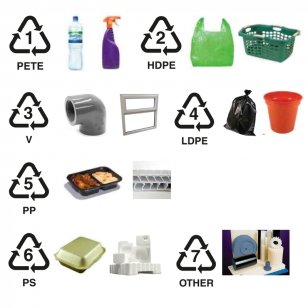
There are over 110 types of plastic, each identified by a unique logo or symbol on the packaging. These logos feature three interconnected arrows or numbers/letters that indicate the plastic’s composition. Some common types of plastic include:
- HDPE (High-Density Polyethylene)
- PET (Polyethylene Terephthalate)
- PVC (Polyvinyl Chloride)
- LDPE (Low-Density Polyethylene)
These plastics are widely used in various applications, including packaging materials, textiles, and construction. Understanding the different types of plastic is crucial for proper recycling and waste management.
The Main Sources of Plastic Waste
The majority of plastic waste comes from packaging materials, including:
- Bottles and containers for beverages
- Shampoo bottles
- Food packaging
These items often have labels or packaging that need to be removed before recycling. Some items, like yogurt containers, may require a separate handling process.
What Can’t Be Recycled with Plastic?
Not all plastic waste can be recycled with the standard plastics. Items like:
- Coffee cups and utensils
- Plastic utensils
- Toys
- Other household items
should not be placed in the recycling bin as they are often contaminated with other materials or not suitable for recycling.
How to Distinguish between Types of Plastic
To properly separate plastics, follow these steps:
- Collect all plastic packaging: Gather bottles, containers, and other plastic items from your home, workplace, or community.
- Remove labels and packaging: Check the item’s label to determine if it’s made of plastic, paper, or a combination of both. If it’s a paper-based label, remove it before recycling.
- Sort plastics by type: Identify which types of plastic you have, using the logos on the packaging as a guide.
Some common items that belong in the plastic recycling bin include:
- Plastic bottles
- Tissue boxes
- Blister packs
- Frying trays
What Can Go into the Recycling Bin?
In addition to plastics, other materials can also be recycled, including:
- Paper and cardboard
- Glass
- Metal
Common Mistakes to Avoid When Recycling Plastics
- Placing plastic packaging in the wrong bin: Make sure to check with your local waste management authority to determine which types of plastics are accepted in your area.
- Not removing labels or packaging: Removing labels and packaging is crucial for proper recycling, as they can contaminate the plastic and prevent it from being recycled.
- Using abrasive materials or harsh chemicals when cleaning plastic containers: Avoid using abrasive materials or harsh chemicals that may damage the container or affect its quality.
The Impact of Plastic Pollution
Plastic pollution has become a pressing concern worldwide, with millions of tons of plastic waste entering our oceans and harming marine life. The consequences of plastic pollution are far-reaching, including:
- Harm to marine life: Plastic waste can be ingested by animals, causing blockages or poisoning.
- Soil contamination: Plastic waste can contaminate soil, affecting plant growth and human health.
- Climate change: Plastic production contributes to greenhouse gas emissions, exacerbating climate change.
Conclusion
Understanding how to distinguish between types of plastic is crucial for effective waste management. By following these simple steps and being mindful of what can be recycled with each type of plastic, we can reduce our impact on the environment and help conserve natural resources.
Frequently Asked Questions
- What happens to plastic packaging that’s not recyclable?
Plastic packaging that’s not suitable for recycling should be disposed of in the trash or used as a resource in other ways, such as composting. - Can I recycle all types of plastic bottles?
Only certain types of plastic bottles, marked with specific logos, can be recycled. Check your local recycling guidelines to see which ones are accepted. - How often should I clean my plastic containers before recycling them?
Clean and rinse plastic containers before recycling them, but avoid using abrasive materials or harsh chemicals that may damage the container. - Can I reuse plastic packaging?
Reusing plastic packaging is not recommended as it can lead to contamination and reduce its quality for future use. - What happens if my plastic item has a mixture of materials on it?
If your plastic item contains a mix of materials, such as food waste or paper, it’s best to dispose of it in the trash rather than attempting to recycle it. - Can I recycle plastic packaging that’s damaged or crushed?
Damaged or crushed plastic packaging is usually not recyclable, but you can check with your local recycling guidelines for more information on how to handle such items. - How do I know which plastics are accepted in my community?
Contact your local waste management authority to find out which types of plastics are accepted in your area and what the specific requirements are for sorting and recycling. - Can I recycle plastic packaging from food stores or restaurants?
Plastic packaging from food stores or restaurants can be recycled, but it’s best to check with the business directly to see if they have any special guidelines or procedures for handling recyclables.
Tips for Effective Recycling
- Educate yourself: Learn about different types of plastics and how to recycle them effectively.
- Use recycling bins with clear labels: Make sure your community has designated recycling bins that are clearly labeled with the accepted materials.
- Participate in local recycling programs: Join local recycling initiatives or participate in community clean-up events to help reduce plastic waste.
By following these tips and being mindful of the importance of proper separation, we can work together to reduce our impact on the environment and create a more sustainable future.


