
As we navigate the complexities of recycling, it’s easy to get lost in the process. One often-overlooked aspect is distinguishing between different types of glass, which can have significant environmental implications if not done correctly.
In this article, we’ll explore the importance of separating glass from other materials and provide practical tips on how to do it effectively. By adopting these habits, you’ll contribute to reducing waste and supporting sustainable practices in your community.
Why Separate Glass?
Properly sorted glass reduces the environmental footprint of municipal waste management. When collected separately, glass can be processed more efficiently, resulting in cost savings for local governments. Moreover, separating glass from other materials prevents contamination during recycling processes, ensuring that valuable resources are recovered and reused.
Glass is one of the most recycled materials globally, with over 30 million tons of glass being recycled annually in the United States alone. However, despite its high recyclability rate, many glass waste items end up in landfills due to inadequate sorting and processing practices.
How to Sort Glass Correctly: Guidelines
To start separating glass effectively, follow these guidelines:
- Use the right container: Ensure you’re using a designated container specifically designed for glass waste. Different types of packaging require separate sorting.
- Keep it clean and tidy: Avoid mixing glass with other materials, as this can lead to contamination and inefficiency in the recycling process.
- Remove all labels and accessories: Take off any labels, stickers, or attachments that may be attached to the glass item. This will prevent these from causing issues during sorting.
Common Mistakes to Avoid
To ensure you’re doing it correctly, avoid these common mistakes:
- Don’t rinse or clean glass before sorting: While it’s tempting to rinse your glass items, this can lead to excess water and contamination during the recycling process.
- Don’t remove removable parts: Don’t take off labels, stickers, or other detachable components, as they can be confusing for sorters and cause delays in processing.
- Be aware of similar materials: Some materials, like ceramic or terracotta, may resemble glass but contain hazardous substances that shouldn’t be mixed with recycled glass.
What Materials Should You Be Aware Of?
When sorting glass, keep an eye out for the following materials:
- Ceramic and terracotta: These materials can resemble glass but contain toxic substances that should be handled separately.
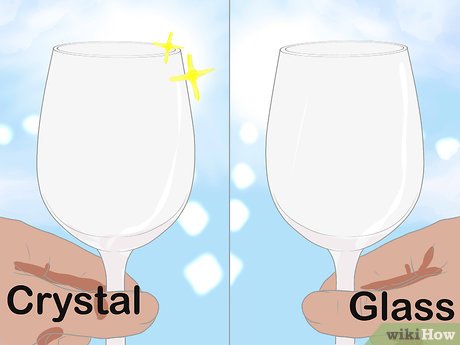
- Crystal and lead-containing items: Glassware made with lead or crystal contains hazardous materials that shouldn’t be mixed with recycled glass.
Tips for Effective Sorting
To become a master glass sorter, follow these additional tips:
- Be mindful of packaging: Take note of the type of packaging used when collecting glass. Different types require separate sorting.
- Use clear containers: Designate clear containers or bins for glass waste to ensure easy identification and efficient processing.
Benefits of Proper Glass Sorting
Properly sorted glass has numerous benefits, including:
- Reduced contamination: By separating glass from other materials, you can prevent contamination during the recycling process.
- Increased efficiency: Efficient sorting allows for more effective use of resources and reduces energy consumption.
- Conserved natural resources: Reusing and recycling glass helps conserve natural resources like sand, soda ash, and limestone.
Challenges in Glass Sorting
Despite its importance, glass sorting can be challenging due to various factors:
- Contamination: Mixing glass with other materials can lead to contamination during processing.
- Limited infrastructure: Not all communities have access to adequate recycling facilities or sorting equipment.
- Education and awareness: Many people are unaware of the best practices for sorting glass, leading to confusion and inefficiency.
Conclusion
By understanding the importance of separating glass from other materials and adopting these simple guidelines, you can make a positive impact on the environment. Remember to be patient, persistent, and informed about the best practices for sorting glass correctly.
Glass recycling is an essential practice that not only reduces waste but also conserves natural resources and supports sustainable practices in your community. By taking the time to learn about proper glass sorting techniques, you can contribute to a more environmentally conscious future.
FAQs
- Q: What should I do with glass bottles that are still full?
A: Empty the contents of the bottle before placing it in your designated glass waste container. - Q: Can I recycle glass windows?
A: No, glass windows contain lead and other hazardous materials that shouldn’t be mixed with recycled glass. - Q: How do I get rid of glass containers that have been used for food or liquids?
A: Rinse them thoroughly before placing them in your designated glass waste container. - Q: Can I recycle glass jars or bottles with lids still attached?
A: Yes, but remove the lids and any other detachable components before sorting. - Q: What should I do with glass containers that have labels or stickers that are difficult to remove?
A: Leave them on for now. Once you’ve sorted your glass waste, take off the labels or stickers and recycle them separately. - Q: Are there specific types of glass that can’t be recycled in my area?
A: Yes, some communities may have restrictions on certain types of glass due to contamination concerns. Check with your local recycling center for guidelines. - Q: How often should I clean out my designated glass waste container?
A: Clean it regularly to prevent overflow and contamination during sorting. - Q: Can I recycle clear plastic bottles that contain liquid residue?
A: No, these types of containers shouldn’t be mixed with recycled glass.
Best Practices for Glass Recycling
To ensure effective glass recycling, follow these best practices:
- Use the right container: Use designated containers specifically designed for glass waste.
- Keep it clean and tidy: Avoid mixing glass with other materials to prevent contamination.
- Remove all labels and accessories: Take off any labels, stickers, or attachments that may be attached to the glass item.
- Be mindful of packaging: Take note of the type of packaging used when collecting glass. Different types require separate sorting.
Conclusion
By understanding the importance of separating glass from other materials and adopting these simple guidelines, you can make a positive impact on the environment. Remember to be patient, persistent, and informed about the best practices for sorting glass correctly.
Glass recycling is an essential practice that not only reduces waste but also conserves natural resources and supports sustainable practices in your community. By taking the time to learn about proper glass sorting techniques, you can contribute to a more environmentally conscious future.
Additional Resources
For further information on glass recycling and sorting practices, visit the following websites:
- National Waste & Recycling Association (NWRA)
- Environmental Protection Agency (EPA)
- Glass Packaging Institute


