
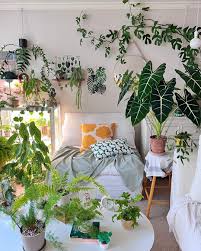
When it comes to decorating your home, one of the simplest and most effective ways to add a touch of elegance is by incorporating plants. Not only do they purify the air and improve indoor quality, but they can also bring a sense of calm and serenity to even the most chaotic spaces. In this article, we’ll explore the best tips for decorating your home with plants, from choosing the right varieties to selecting the perfect vase.
The Power of Greenery
Plants have been used for centuries as a way to improve indoor air quality and create a sense of well-being. By adding plants to your home, you can purify the air, reduce stress levels, and even boost productivity. But where do you start? Choosing the right plants is key, and we’ll dive into some popular options in this article.
Benefits of Plants for Indoor Spaces
Before we delve into the specifics of decorating with plants, let’s take a look at some of the benefits they provide for indoor spaces:
- Improved air quality: Plants absorb pollutants and toxins from the air, improving indoor air quality.
- Reduced stress levels: Being around plants has been shown to reduce stress levels and promote relaxation.
- Boosted productivity: Adding plants to your workspace or home can increase focus and productivity.
- Increased aesthetic appeal: Plants add a touch of natural beauty to any space, making it feel more welcoming and inviting.
Lighting: The Key to Successful Plant Placement
When it comes to placing plants in your home, lighting is a crucial factor. Different types of plants require different levels of light, so it’s essential to choose plants that fit your specific lighting conditions. For example, if you have low-light spaces, consider using plants like the Sansevieria or Pothos, which are known for their ability to thrive in low-light conditions.
Types of Lighting Needed for Plants
There are several types of lighting needed for different plants:
- Low light: Plants that can tolerate low light include succulents, Chinese Evergreen, and Pothos.
- Medium light: Plants that require medium light include ferns, peace lilies, and snake plants.
- Bright light: Plants that require bright light include orchids, African Violets, and begonias.
Choosing the Right Vase
The vase you choose can make or break the look of your plant display. When selecting a vase, consider factors such as size, shape, and material. A vase that complements the shape and color of your plant will not only enhance its appearance but also create a cohesive look in your home.
Popular Vase Options
Here are some popular vase options to consider:
- Glass vases: Glass vases add a touch of elegance and sophistication to any space.
- Ceramic vases: Ceramic vases come in a variety of styles, from modern to traditional.
- Terracotta vases: Terracotta vases have a rustic charm that can add warmth and character to your home.
Decorating with Succulents
Succulents are a popular choice for indoor decorating due to their low-maintenance requirements and stylish aesthetic. By combining different types of succulents, you can create a unique and eye-catching display that adds texture and visual interest to any room. Some popular types of succulents include aloe vera, echeveria, and crassula.
Tips for Succulent Decorating
Here are some tips for decorating with succulents:
- Group plants together: Grouping multiple succulents together can create a visually striking display.
- Use a variety of shapes and sizes: Using a mix of small, medium, and large succulents can add depth and interest to your arrangement.
- Add decorative elements: Adding decorative elements like rocks or shells can add texture and visual interest to your succulent arrangement.
Adding a Touch of Nature with Foliage Plants
If you’re looking for a more dramatic impact, consider using larger foliage plants like the fig tree or ferns. These plants can add a touch of whimsy and personality to any room, and their large leaves provide ample opportunity for creative decorating.
Benefits of Foliage Plants
Here are some benefits of incorporating foliage plants into your home:
- Increased aesthetic appeal: Larger foliage plants can add a touch of natural beauty to any space.
- Improved air quality: Like succulents, foliage plants can also help purify the air and improve indoor quality.
Orchids: The Perfect Addition for Your Bathroom
Bathrooms are often one of the most challenging rooms in the house to decorate, but adding an orchid phalaenopsis can be just the trick. These plants thrive in humid environments and require minimal maintenance, making them the perfect addition to your bathroom. Plus, their beautiful blooms add a touch of elegance to any room.
Benefits of Orchids
Here are some benefits of incorporating orchids into your home:
- Improved air quality: Like other plants, orchids can help purify the air and improve indoor quality.
- Increased aesthetic appeal: Orchids have beautiful blooms that can add a touch of elegance to any room.
Tips for Thriving Plants
To keep your plants happy and healthy, remember to provide them with the right amount of light, water, and nutrients. Here are some additional tips for thriving plants:
- Water your plants when the top inch of soil feels dry: Overwatering is one of the most common mistakes made by plant owners.
- Use a balanced fertilizer: A balanced fertilizer can provide essential nutrients for healthy growth.
- Prune dead or dying leaves: Pruning dead or dying leaves can help maintain plant health and prevent disease.
Common Plant-Related Questions
Here are some frequently asked questions about planting and decorating with plants:
Q: What is the best way to care for a houseplant?
A: The best way to care for a houseplant is to provide it with the right amount of light, water, and nutrients.
Q: Can I use any type of potting soil for my plants?
A: No, different types of plants require different types of potting soil. Make sure to choose a high-quality potting mix that is specifically designed for your plant’s needs.
Q: How often should I fertilize my houseplants?
A: Fertilize your houseplants once a month during the growing season and less frequently during the winter months.
Q: Can I propagate houseplants?
A: Yes, many types of houseplants can be propagated using leaf or stem cuttings.
Q: How long do orchids typically live?
A: Orchids can live for several years with proper care and maintenance.


