
Trimming Your Cat’s Claws: A Guide to Healthy Nail Care
As a cat owner, it’s essential to provide regular nail care for your feline friend. Neglecting this crucial aspect of their health can lead to various problems, including painful injuries and infections. In this comprehensive guide, we’ll explore the importance of trimming your cat’s claws and provide you with the knowledge and tools necessary to do so safely and effectively.
Why Trim Your Cat’s Claws?
Leaving your cat’s claws untrimmed can cause a range of issues, from minor discomfort to severe health problems. When claws grow too long, they can:
- Curve inward, causing pain and injury to the paw pad
- Get stuck in carpets, furniture, or other household items
- Lead to painful infections and abscesses
The frequency of trimming depends on various factors, including your cat’s lifestyle, age, and diet. Here are some general guidelines:
- Indoor cats: Trim every 4-6 weeks, as their claws tend to grow faster due to lack of exercise.
- Outdoor cats: Trim less frequently, about every 8-10 weeks, as their claws naturally wear down from scratching and walking on various surfaces.
How to Trim Your Cat’s Claws
Trimming your cat’s claws requires patience, skill, and the right tools. Here’s a step-by-step guide:
- Choose the right tool: Select a high-quality nail clipper specifically designed for cats.
- Prepare your cat: Get your cat accustomed to having their paws handled by gently massaging their paw pads and toes.
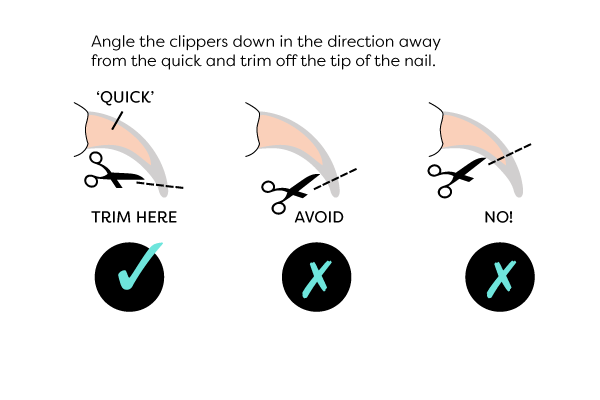
- Identify the quick: The quick is the pinkish-colored part of the nail that contains nerves and blood vessels. It’s essential to avoid cutting this area, as it can be painful and lead to bleeding.
- Trim the claws: Hold your cat’s paw firmly but gently, and trim the claws using a smooth, gentle motion.
Tips for Successful Trimming
- Be patient and go slow, especially if your cat is nervous or resistant.
- Use a styptic powder or a pet nail clotting gel to stop any bleeding quickly.
- Keep your cat’s nails trimmed regularly to prevent overgrowth.
- Consider having a veterinarian show you how to trim your cat’s claws for the first time.
Common Mistakes to Avoid
- Trimming too short, which can lead to pain and bleeding
- Cutting the quick, which can cause severe pain and infection
- Using dull or poorly maintained clippers, which can cause discomfort and anxiety
Frequently Asked Questions
Q: Can I trim my cat’s claws myself?
A: Yes, but it’s recommended to consult a veterinarian for guidance and assistance if needed.
Q: How often should I trim my indoor cat’s claws?
A: Trim every 4-6 weeks to prevent overgrowth and related issues.
Q: What is the best way to handle my cat during trimming?
A: Gently massage your cat’s paw pads and toes before starting, and hold their paw firmly but gently during the process.
Q: Can I trim my outdoor cat’s claws at home?
A: It’s generally not recommended, as outdoor cats may be more prone to injuries or infections. Consult a veterinarian for advice on trimming outdoor cats’ claws.
Q: How can I prevent pain and bleeding during trimming?
A: Use styptic powder or clotting gel if necessary, and trim carefully, avoiding the quick.
Additional Considerations
- Age: Kittens should have their nails trimmed less frequently than adult cats, as their nails grow faster. Senior cats may need more frequent trimming due to nail wear.
- Health conditions: Cats with certain health conditions, such as arthritis or nerve damage, may require special care when trimming their claws.
- Diet: A balanced diet that includes essential nutrients for nail health can help prevent issues like brittle nails or nail breakage.
Conclusion
Trimming your cat’s claws is a crucial aspect of their overall health and well-being. By following the guidelines and tips outlined in this guide, you can help keep your cat’s claws healthy and prevent potential problems. Remember to be patient, gentle, and consistent when trimming your cat’s nails, and don’t hesitate to consult a veterinarian if you have any questions or concerns.
By providing regular nail care for your feline friend, you’re investing in their quality of life and helping them live a happy and healthy life.


