
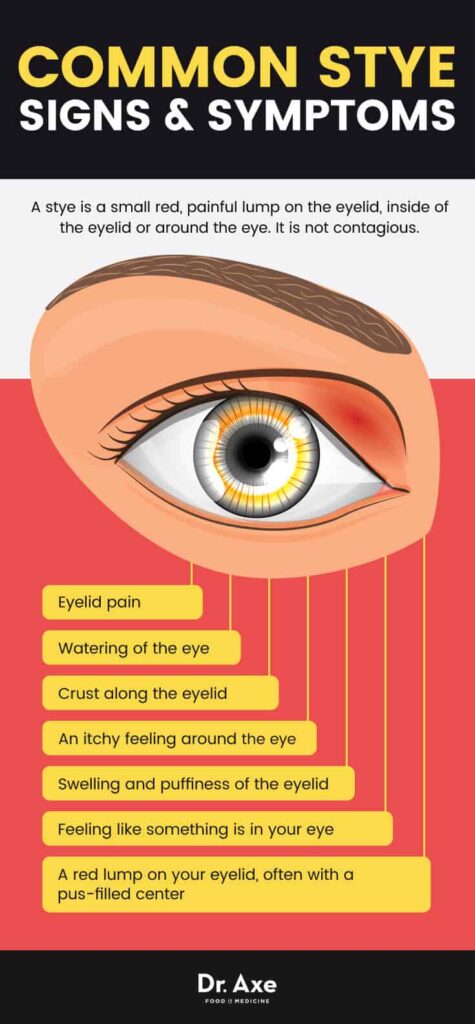
Are you tired of dealing with itchy, inflamed eyelids? Do you feel like a foreign object is lodged in your eye? You’re not alone. Blepharitis is a common condition that affects millions of people worldwide, causing discomfort, redness, and blurred vision.
In this article, we’ll delve into the world of blepharitis, exploring its causes, symptoms, and treatment options. We’ll also discuss natural remedies that can help alleviate your symptoms and prevent future occurrences.
Understanding Blepharitis
Blepharitis is an inflammatory condition that affects the glands at the base of your eyelashes or on the surface of your eyelids. It’s characterized by redness, itching, and a sensation of something foreign in your eye. In severe cases, blepharitis can lead to chronic inflammation, scarring, and even vision loss.
Blepharitis is caused by an imbalance of natural oils produced by the meibomian glands in your eyelids. These glands produce sebum, which helps to keep your eyes moist and lubricated. However, when these glands become clogged or infected, it can lead to inflammation and irritation.
Who’s at Risk?
Some people are more prone to developing blepharitis than others. If you have:
- A family history of the condition
- Dry eyes or other ocular allergies
- Frequent handwashing or exposure to harsh chemicals
- Poor eye hygiene
- Use contact lenses
you may be more likely to develop blepharitis.
Prevention is Key
While there’s no surefire way to prevent blepharitis, there are steps you can take to reduce your risk:
- Wash your hands frequently and thoroughly
- Clean your eyes regularly with a gentle soap and water
- Avoid touching your face, especially around the eyes
- Use lubricating eye drops to keep your eyes moist
- Quit smoking or avoid secondhand smoke
Natural Remedies for Blepharitis
In addition to good hygiene practices, there are several natural remedies that can help alleviate blepharitis symptoms:
- Boric acid compresses: Soak a cotton ball in boric acid solution and apply it to the affected area for 5-10 minutes.
- Salvia and chamomile infusions: Steep dried salvia and chamomile flowers in boiling water, then let the infusion cool before applying it to the affected area with a cotton pad.
- Warm compresses: Soak a clean cloth in warm water, wring it out, and apply it to the affected area for 5-10 minutes.
- Tea tree oil: Mix a few drops of tea tree oil with a carrier oil like coconut or olive oil and gently massage it into your eyelids.
When to See a Doctor
While natural remedies can provide relief, there are times when you should consult a doctor:
- If your symptoms persist or worsen
- If you experience blurred vision or sensitivity to light
- If you have a weakened immune system
- If you’re pregnant or breastfeeding
Your doctor may prescribe medication or recommend further treatment options.
Tips for Managing Blepharitis
To manage blepharitis effectively, follow these tips:
- Avoid touching or rubbing your eyes
- Use lubricating eye drops to keep your eyes moist
- Clean your eyelids regularly with a gentle soap and water
- Avoid sharing makeup or makeup brushes
- Get enough sleep (7-8 hours) per night
By following these tips and exploring natural remedies, you can take control of blepharitis and reduce its impact on your daily life.
Frequently Asked Questions
Q: Can I treat blepharitis at home?
A: While some over-the-counter treatments can provide relief, it’s essential to consult a doctor if your symptoms persist or worsen. In severe cases, you may need prescription medication or further treatment options.
Q: How do I prevent blepharitis from coming back?
A: By maintaining good eye hygiene practices, using lubricating eye drops, and avoiding touching or rubbing your eyes, you can reduce the risk of future occurrences.
A: Absolutely not. Sharing makeup can transfer bacteria and other contaminants to the affected eye, exacerbating symptoms.
Q: Will blepharitis affect my vision?
A: In rare cases, untreated or severe blepharitis can lead to blurred vision or sensitivity to light. If you experience these symptoms, consult a doctor for further evaluation.
Q: Can I wear contact lenses with blepharitis?
A: No, it’s not recommended to wear contact lenses if you have blepharitis. The risk of infection and contamination is too high.
Q: How long does it take to recover from blepharitis?
A: Recovery time varies depending on the severity of the condition and treatment options. In general, symptoms can take several weeks to several months to resolve.
Q: Can I get pregnant with blepharitis?
A: There is no direct link between blepharitis and pregnancy. However, if you have a weakened immune system or are taking immunosuppressive medications, your doctor may recommend special precautions during pregnancy.
Additional Natural Remedies
In addition to the remedies mentioned earlier, here are some additional natural treatments that may help alleviate blepharitis symptoms:
- Aloe vera gel: Apply aloe vera gel directly to the affected area using a cotton swab.
- Green tea: Steep green tea leaves in boiling water and let it cool before applying it to the affected area with a cotton pad.
- Licorice root: Make a tea by steeping dried licorice root in boiling water, then let it cool before applying it to the affected area with a cotton pad.
Prescription Medications
In some cases, prescription medications may be necessary to treat blepharitis. These can include:
- Corticosteroids: These medications can help reduce inflammation and swelling.
- Antibiotics: If an infection is present, antibiotics may be prescribed to clear up the infection.
- Cyclosporine: This medication can help reduce inflammation and prevent scarring.
Surgical Treatment
In severe cases of blepharitis, surgical treatment may be necessary. This can include:
- Meibomian gland removal: If the meibomian glands are severely clogged or infected, they may need to be removed surgically.
- Eyelid surgery: In some cases, eyelid surgery may be necessary to remove excess tissue or repair damaged skin.
Conclusion
Blepharitis is a common condition that affects millions of people worldwide. By understanding the causes, symptoms, and treatment options for blepharitis, you can take control of this condition and enjoy healthier, happier eyes. Remember to maintain good eye hygiene practices, use natural remedies, and consult a doctor if your symptoms persist or worsen.
In addition to the treatments mentioned earlier, there are several lifestyle changes you can make to reduce your risk of developing blepharitis:
- Quit smoking
- Avoid secondhand smoke
- Wear sunglasses when outdoors
- Get enough sleep (7-8 hours) per night
By following these tips and exploring natural remedies, you can reduce the impact of blepharitis on your daily life.


