
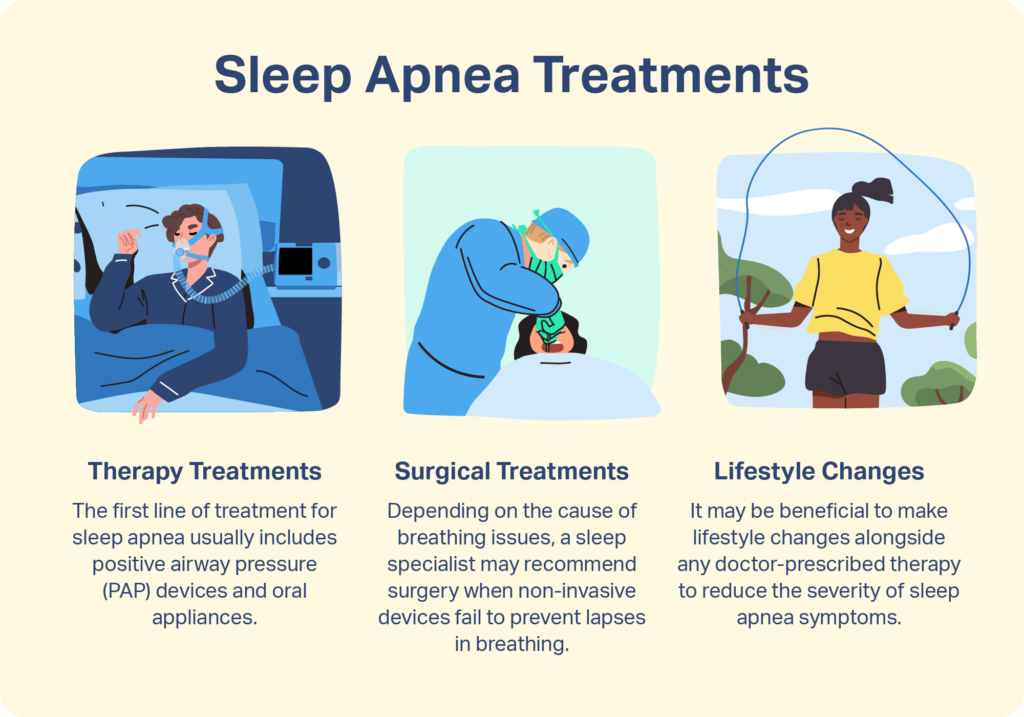
What is Nocturnal Apnea?
Nocturnal apnea, also known as sleep apnea syndrome (OSAS), is a common disorder that affects millions of people worldwide. It is characterized by pauses in breathing during sleep, which can lead to fragmented sleep, fatigue, and other health complications.
Recognizing the Symptoms
If you are experiencing any of the following symptoms, you may be suffering from nocturnal apnea:
- Waking up with a “gasp” or feeling like you’re choking
- Pauses in breathing during sleep
- Waking up tired, irritable, and without energy
- Difficulty concentrating or making decisions
The Importance of Sleep Stage
Sleep is essential for physical and mental health. However, nocturnal apnea can disrupt normal sleep patterns, leading to a range of problems. To treat nocturnal apnea effectively, it’s crucial to establish a consistent sleep schedule and create an environment that promotes healthy sleep.
Establishing a Healthy Sleep Schedule
- Set a bedtime routine: Develop a calming pre-sleep routine to signal to your body that it’s time to wind down.
- Stick to a consistent sleep schedule: Go to bed and wake up at the same time every day, including weekends.
- Create a sleep-conducive environment: Make your bedroom dark, quiet, and cool to promote relaxation.
Losing Weight: A Key Factor in Nocturnal Apnea Treatment
Excess weight can contribute to nocturnal apnea by putting pressure on the airways, causing them to narrow or collapse. Losing weight through a combination of diet and exercise can help alleviate symptoms.
Healthy Eating Habits
- Eat a balanced diet: Focus on whole, unprocessed foods like fruits, vegetables, whole grains, lean proteins, and healthy fats.
- Avoid sugary and high-fat foods: These can lead to weight gain and exacerbate nocturnal apnea symptoms.
- Stay hydrated: Drink plenty of water throughout the day to help regulate your body’s functions.
Exercise for Better Sleep
Regular physical activity can help improve sleep quality and reduce nocturnal apnea symptoms. Aim for at least 30 minutes of moderate-intensity exercise per day, such as brisk walking, cycling, or swimming.
The Importance of Magnesium
Magnesium is an essential mineral that plays a crucial role in muscle function, including those in the throat and airways. Maintaining adequate magnesium levels can help alleviate nocturnal apnea symptoms.
Food Sources of Magnesium
- Leafy greens: Spinach, kale, collard greens, and other leafy greens are rich in magnesium.
- Bananas: Bananas are a good source of magnesium, with one medium-sized banana providing about 32mg of the mineral.
- Legumes: Beans, lentils, and chickpeas are all high in magnesium.
- Avocado: Avocados are a rich source of magnesium, with one medium-sized avocado providing about 59mg.
Avoiding Smoking and Secondhand Smoke
Smoking is a significant risk factor for nocturnal apnea. Quitting smoking or avoiding secondhand smoke can help reduce the severity of symptoms.
The Power of Singing
Singing may seem like an unlikely solution to nocturnal apnea, but research suggests that it can have a positive impact on sleep quality and airway function. Whether you’re a seasoned singer or just starting out, singing can be a great way to improve your overall health and well-being.
Other Natural Remedies for Nocturnal Apnea
- Essential Oils: Certain essential oils, such as lavender and chamomile, may help promote relaxation and improve sleep quality.
- Ginkgo Biloba: Ginkgo biloba is a natural herb that has been shown to improve blood flow and reduce inflammation in the airways.
- Acupuncture: Acupuncture may help alleviate nocturnal apnea symptoms by stimulating specific points on the body that can promote relaxation and improve sleep quality.
Conclusion
Nocturnal apnea is a common disorder that affects millions of people worldwide. By recognizing the symptoms, establishing a healthy sleep schedule, losing weight, exercising regularly, maintaining adequate magnesium levels, avoiding smoking, and even singing, you can take control of your health and improve your overall quality of life.
Frequently Asked Questions (FAQs)
Q: What are the most effective natural remedies for nocturnal apnea?
A: A combination of a healthy sleep schedule, regular exercise, maintaining adequate magnesium levels, avoiding smoking, and even singing can be an effective approach to treating nocturnal apnea.
Q: Can diet alone cure nocturnal apnea?
A: While a balanced diet is essential for overall health, it may not be enough to cure nocturnal apnea on its own. Lifestyle changes, such as establishing a consistent sleep schedule and regular exercise, are also crucial.
Q: How can I lose weight to alleviate nocturnal apnea symptoms?
A: Losing weight through a combination of diet and exercise is essential for reducing the severity of nocturnal apnea symptoms. Aim for a slow and steady weight loss of 1-2 pounds per week.
Q: Can magnesium supplements be taken without consulting a doctor?
A: While magnesium supplements are generally safe, it’s always best to consult with a healthcare professional before starting any new supplement regimen.
Q: Is singing a proven treatment for nocturnal apnea?
A: Research suggests that singing can have a positive impact on sleep quality and airway function. However, more studies are needed to confirm its effectiveness as a treatment for nocturnal apnea.
Q: Can smoking cause nocturnal apnea?
A: Yes, smoking is a significant risk factor for nocturnal apnea. Quitting smoking or avoiding secondhand smoke can help reduce the severity of symptoms.
Q: How long does it take to notice improvements in sleep quality with these natural remedies?
A: Results may vary depending on individual factors, but many people experience improvements in sleep quality within 2-4 weeks of starting a new lifestyle regimen.



