
As we go about our daily lives, it’s easy to assume that our bodies function perfectly. However, the shoulder is one of the most complex joints in our body, comprising bones, muscles, tendons, and ligaments that work together to enable us to perform a wide range of movements without feeling any discomfort. Sometimes, however, these components can get tangled up or inflamed, requiring immediate attention to restore normalcy.
In my own experience, I had a periartrite episode about five years ago (I was around 40 then, and now I’m 52). This condition forced me to stop playing squash for several months. In this article, I’ll share how I managed the issue that didn’t reoccur.
Understanding Inflammation is Key to Addressing Shoulder Pain
Inflammation is a natural response of the body’s immune system to injury or infection. However, in the case of shoulder pain, inflammation can be the primary cause of discomfort and limited mobility. Understanding inflammation is key to addressing shoulder pain, as it allows for a more effective treatment plan.
Causes of Shoulder Pain
The first step in managing shoulder pain is to identify its underlying cause with a visit from an orthopedic specialist and your trusted physician, who can recommend the necessary tests to pinpoint the source of your issue. Due to the larger head of the humerus (the upper arm bone), muscles, tendons, and ligaments have to work harder to maintain stability. This is why injuries to the shoulder are more common than those in other joints.
Trauma, such as a fall or sports injury, can also contribute to shoulder pain. The acromion, which is part of the scapula (shoulder blade), can become too thick, pushing on the tendons around the cuff and causing them to inflame due to friction. Artrosis, or joint degeneration, occurs when cartilage in the joint wears down.
In addition to these causes, there are other potential triggers for shoulder pain, including neurological conditions or autoimmune diseases like rheumatoid arthritis. Understanding the underlying cause of your shoulder pain is crucial to developing an effective treatment plan.
Understanding Shoulder Pain
Before attempting to cure shoulder pain, we must first comprehend its nature and location. The shoulder is a complex joint with multiple components, making it more prone to discomfort in various parts of the body, such as the neck and upper back or arm. Additionally, the sensation of pain itself can have many variations, ranging from mild numbness to severe cramping that prevents us from moving.
To get an accurate diagnosis, it’s essential to describe your symptoms to a doctor as accurately as possible. This might involve comparing the discomfort to sensations like tingling or pinching or being so intense that it prevents us from moving.
If the pain persists even after taking anti-inflammatory medications for several days, it is recommended to consult with a doctor who can further investigate its origins and suggest a more targeted treatment plan.
Sometimes, imaging tests such as MRI scans may be necessary to determine if there are any structural issues within the joint or surrounding tissues that need repair through surgery.
Treating Shoulder Pain
If you suspect that your shoulder pain is caused by inflammation, there are several treatments you can try before seeking professional help.
When treating shoulder pain, it’s crucial to understand the underlying cause. If the issue stems from a physical injury, the first step in recovery should be proper immobilization of the affected joint, followed by physical therapy to restore mobility and strength.
In the short term, anti-inflammatory medications such as ibuprofen or naproxen can help reduce inflammation and alleviate pain. In addition to these conventional treatments, some people find relief with natural remedies like arnica cream or ice packs applied directly to the affected area.
Applying an ice pack or a cold compress to the painful area may also help reduce swelling and ease discomfort.
If your shoulder pain is caused by trauma, it’s likely that you’ll need surgery to repair any damaged tissue. Corticosteroid injections might be recommended to decrease inflammation in the affected joint.
For severe cases of inflammatory arthritis, other treatments like disease-modifying antirheumatic drugs (DMARDs) may be prescribed.
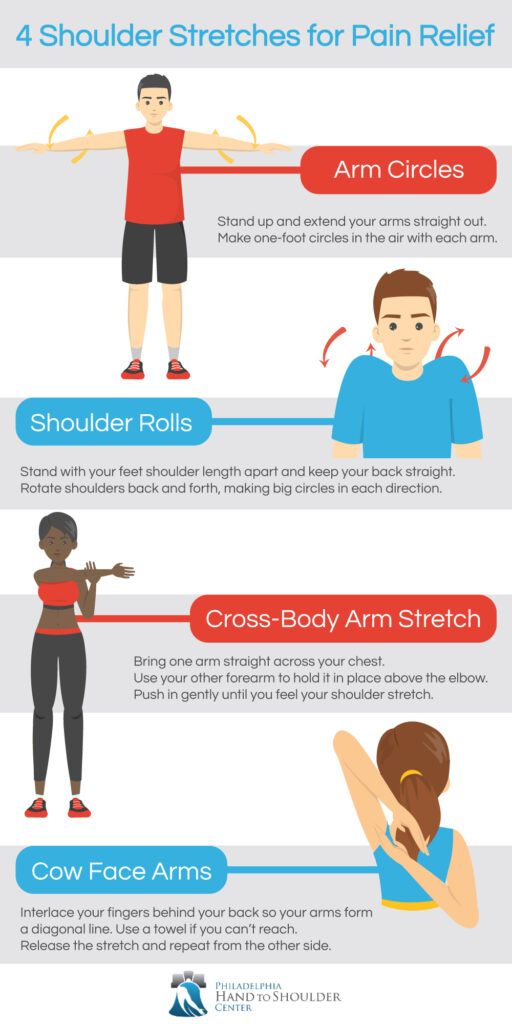
Exercises for Strengthening or Rehabilitating the Shoulder
To fortify your shoulder muscles and reduce the likelihood of future injuries, there are several exercises you can try at home or in a gym setting. For beginners, simple movements like lateral raises and forward presses with dumbbells can be effective.
Lateral raises are an excellent exercise for strengthening the deltoid muscles surrounding the shoulder joint. They involve holding light weights or even water bottles while performing a controlled movement of raising your arm outward from your body.
Here is a link to Amazon where you may find beginner-friendly dumbbell sets designed specifically for this exercise.
As part of rehabilitation, more intense exercises are necessary to rebuild strength in the muscles that have been weakened by injury. This may involve using weights with greater resistance or gradually increasing the weight over time as you become stronger.
In general, it’s best to start slowly and increase your load over time as your body adapts.
Sleeping with Shoulder Pain
For those experiencing discomfort in their shoulders, sleep can be a frustrating experience. The mere thought of lying down can feel like torture due to pain.
Fortunately, there are some simple measures that can help alleviate the issue during rest. Placing a pillow between your legs when you’re sleeping on one side or placing a cushion behind your back while sleeping on your stomach may help decrease pressure on your spine and allow for more comfortable sleep.
Deep breathing exercises, as well as relaxation techniques like progressive muscle tension, can also aid in unwinding before bedtime.
While it’s unlikely that the pain will disappear overnight, taking steps to reduce discomfort during rest may help you get some much-needed sleep.
Preventing Future Shoulder Injuries
To reduce the risk of future shoulder injuries, focus on maintaining strong muscles through regular exercise, using proper lifting techniques, and taking regular breaks when engaging in activities that may strain your shoulders.
Additionally, wearing a supportive sports bra or jersey can provide extra stability for women during activities like swimming or tennis. Finally, consider incorporating exercises into your routine that target the rotator cuff muscles, such as shoulder blade squeezes and scapular wall slides.
Conclusion
Understanding and managing shoulder pain requires patience, persistence, and the right approach. By identifying the underlying cause of your issue, seeking professional advice, and incorporating targeted exercises into your routine, it’s possible to alleviate discomfort and prevent future injuries.
Remember to always consult with a healthcare professional before starting any new exercise program or treatment plan. With the right knowledge and support, you can take control of your shoulder pain and enjoy an active, pain-free life.
Frequently Asked Questions (FAQs)
- What are some common causes of shoulder pain?
Shoulder pain can be caused by a variety of factors, including trauma, inflammation, or structural issues within the joint itself. It’s essential to consult with a healthcare professional for an accurate diagnosis and personalized treatment plan.
- Can you treat shoulder pain at home before consulting a doctor?
Yes, there are several over-the-counter treatments available that can provide temporary relief from shoulder pain. However, if the issue persists or worsens, it is recommended to seek medical attention to rule out any underlying conditions that require professional care.
- Are there any exercises I should avoid when trying to recover from a shoulder injury?
It’s generally advisable to avoid heavy lifting and bending for several weeks after an injury to allow your muscles and joint to heal properly. However, incorporating low-impact exercises like lateral raises and forward presses can help strengthen the surrounding muscles and improve range of motion.
- Can I treat chronic shoulder pain with natural remedies?
While some people find relief from chronic shoulder pain using natural methods such as arnica cream or heat packs, it’s essential to consult with a healthcare professional before trying any new treatments, especially if you’re already taking medications for your condition.
- How long does it take for the body to heal from a shoulder injury?
The recovery time for shoulder injuries varies depending on their severity and individual factors like overall health and activity level. Generally, a period of rest and rehabilitation can help the body heal within several weeks or months.
- What are some signs that I may need surgery to treat my shoulder pain?
If your shoulder pain persists despite trying conservative treatments, or if you experience significant weakness in your arm, numbness, or tingling sensations, it’s essential to seek medical attention for further evaluation and potential surgical intervention.
- How can I prevent future shoulder injuries?
To reduce the risk of future shoulder injuries, focus on maintaining strong muscles through regular exercise, using proper lifting techniques, and taking regular breaks when engaging in activities that may strain your shoulders.
- Can I treat shoulder pain with physical therapy alone?
Yes, physical therapy can be an effective approach for treating shoulder pain, especially when combined with other treatments like medication or injections. A licensed therapist can help you develop a customized rehabilitation plan tailored to your specific needs and goals.


