
As we navigate the complexities of everyday life, it’s easy to overlook the importance of our eyes. However, conjunctivitis – an inflammation of the conjunctiva, a membrane that covers the eyelid and can sometimes affect the cornea and bulbar eye – is a common issue that affects millions of people worldwide.
In this article, we will delve into the causes, symptoms, and natural remedies for curing conjunctivitis. We’ll also explore some preventative measures to take to avoid contracting this pesky condition.
What Causes Conjunctivitis?
Conjunctivitis is an inflammation caused by infections, allergies, or irritants. The most common cause is a bacterial infection, but viral and allergic reactions can also trigger the onset of symptoms. The conjunctiva is highly susceptible to external agents, making it prone to irritation.
Symptoms of conjunctivitis include:
- Redness and swelling of the eyelid
- Itching or burning sensation in the eyes
- Discharge or crusting on the eyelashes
- Blurred vision
How to Cure Conjunctivitis: Natural Remedies
While there are various treatments available, natural remedies can provide effective relief from conjunctivitis symptoms. Here are some tried-and-tested methods:
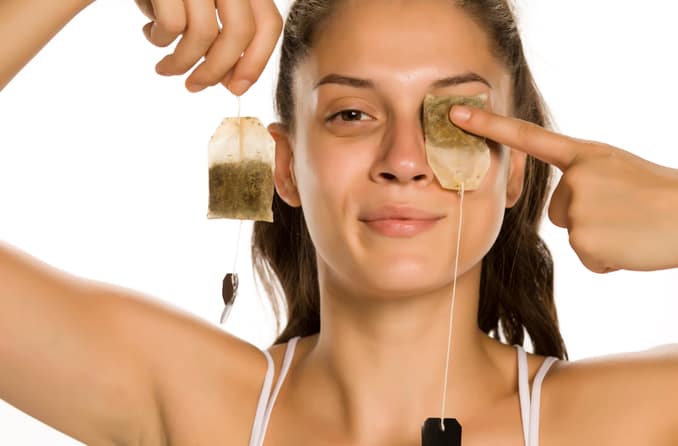
1. Camomilla Compresses
Camomilla is a popular herbal remedy that has antibacterial and anti-inflammatory properties. To create camomilla compresses, follow these steps:
- Steep two tea bags in 250 ml of boiling water for five minutes.
- Remove the tea bags and let the liquid cool down.
- Soak cotton pads or cloth strips in the cooled liquid.
- Apply the soaked pads to your eyelids for 5-7 minutes.
2. Aceto di Mele
Aceto di mele (apple cider vinegar) has antiseptic properties that help combat bacterial infections. To use it as a treatment:
- Mix 100 ml of aceto di mele with 100 ml of warm water.
- Dip a cotton pad into the solution and apply it to your eyelid for 5-7 minutes.
3. Cetriolo
Cetriolo (lemon) is rich in antioxidants that help reduce inflammation. To use cetriolo as a treatment:
- Chill sliced lemon in the refrigerator.
- Apply chilled slices to your eyes, holding them in place for about 15 minutes.
4. Acqua Salata
This simple remedy helps disinfect and soothe irritated eyes. To create an acque salata solution:
- Dissolve one tablespoon of salt into a bachellette of warm water.
- Dip a clean cloth into the solution, wring it out thoroughly, and apply it to your eyelids.
5. Olio di Cocco
Olio di cocco is an excellent natural remedy for conjunctivitis due to its antibacterial properties. To use it:
- Apply a few drops of high-quality coconut oil to your affected eye.
- Gently massage the oil into the affected area, leaving it overnight before washing off in the morning.
Preventing Conjunctivitis
While natural remedies can provide relief, preventing conjunctivitis is key. Here are some preventative measures:
- Wash your hands thoroughly before touching your eyes or face
- Avoid swimming in chlorinated pools
- Clean your eyes with a gentle eye wash
- Refrain from using chemical-based cosmetics
Conclusion
Conjunctivitis may seem like a minor issue, but it can significantly impact daily life. By understanding the causes and symptoms of conjunctivitis, you can take preventative measures to avoid contracting this condition. Natural remedies such as camomilla compresses, aceto di mele, cetriolo, acque salata, and olio di cocco can provide effective relief from symptoms.
If your symptoms persist or worsen, consult a healthcare professional for proper diagnosis and treatment.
Frequently Asked Questions
- What is the most common cause of conjunctivitis?
- The most common cause of conjunctivitis is bacterial infection.
- How do I prevent conjunctivitis?
- To prevent conjunctivitis, wash your hands regularly before touching your eyes or face, avoid swimming in chlorinated pools, clean your eyes with a gentle eye wash, and refrain from using chemical-based cosmetics.
- Can I use olio di cocco as a substitute for antibiotics?
- While coconut oil has antibacterial properties, it should not be used as a substitute for medical treatment without consulting a doctor.
- How often should I apply aceto di mele to my eyes?
- Apply the aceto di mele solution to your eyes twice a day, morning and night.
- Can I share olio di cocco with others?
- No, coconut oil should be used individually for personal hygiene purposes.
If you have any further questions or concerns about conjunctivitis, please don’t hesitate to ask your healthcare provider or contact us for guidance.


