
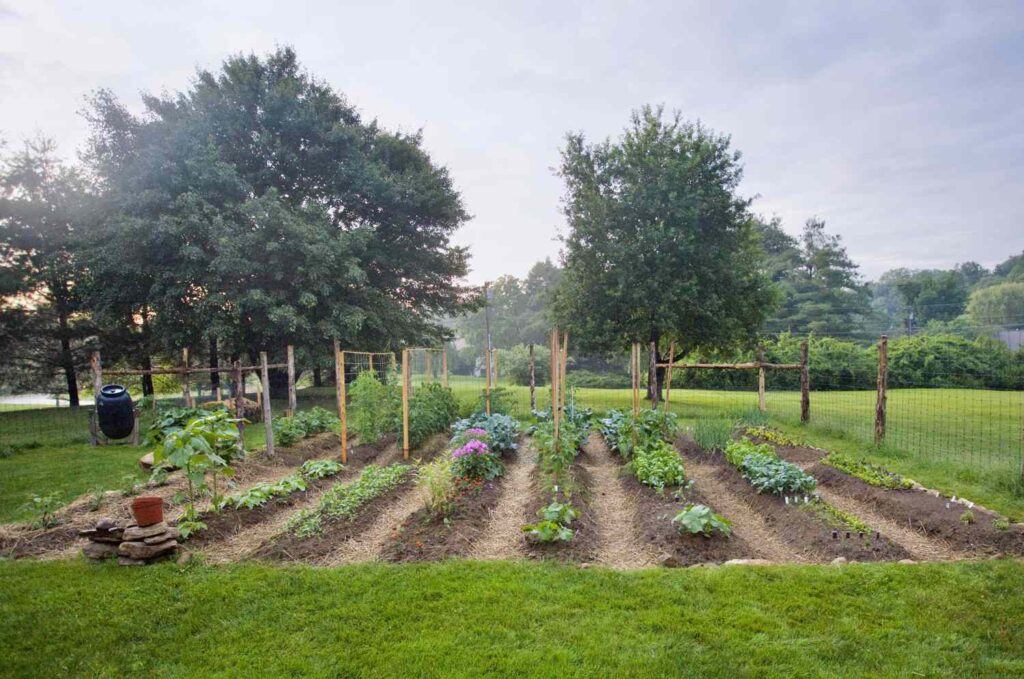
Creating an Orchard: A Comprehensive Guide
Introduction
Creating an orchard can be a rewarding experience, providing you with fresh, healthy produce while promoting sustainable gardening practices. Gardening is an excellent way to improve your physical and mental health, and cultivating an orchard can be especially therapeutic. In this article, we will delve into the process of creating an orchard, from selecting the right location to maintaining its health.
Choosing the Right Location
The location of your orchard is crucial in determining its success. The ideal location should receive full sun (at least six hours of direct sunlight) and have well-draining soil. If this is not possible, you can create a shaded area using trees or shrubs that provide sufficient shade.
To ensure optimal growth, consider the following factors when selecting a location:
- Exposure to wind: Avoid areas with strong winds, which can damage plants and reduce fruit production.
- Soil quality: Choose a location with fertile soil that drains well, allowing for healthy root growth.
- Water availability: Ensure access to clean water for irrigation purposes.
Assessing the Ground
Before planting, it’s essential to assess the ground conditions. Look for any mounds or uneven areas that could affect drainage and plant growth.
To address these issues:
- Fill in any low-lying areas with topsoil or compost.
- Create a level surface using sand or aggregate materials.
- Use terracing techniques to manage slopes and prevent erosion.
Soil Preparation
Soil preparation is critical for creating a healthy orchard. The ideal soil composition should include:
- Clay (20-30%): Provides structure and tenacity
- Siliceous sand (5-10%): Adds looseness and drainage
- Calcareous sand (5-10%): Enhances fertility and water-holding capacity
- Humus (5-10%): Maintains moisture, temperature, and nutrient availability
To achieve this ideal composition:
- Test your soil pH and adjust it as necessary.
- Add organic matter like compost or manure to improve structure and fertility.
- Use mulch or cover crops to retain moisture and suppress weeds.
Fertilization
Proper fertilization is essential for promoting healthy plant growth in an orchard. Consider the following factors when selecting fertilizers:
- Organic vs. synthetic: Opt for organic fertilizers, which are more environmentally friendly and promote sustainable gardening practices.
- pH balance: Choose fertilizers that match your soil’s pH to avoid nutrient deficiencies or imbalances.
Some popular organic fertilizers include:
- Compost
- Manure
- Green sand
- Blood meal
Watering and Irrigation
Proper watering is critical for maintaining a healthy orchard. Consider the following factors when selecting irrigation methods:
- Rainwater collection: Use rainwater collection systems to conserve water and reduce your water bill.
- Drip irrigation: This method delivers water directly to the roots, reducing evaporation and runoff.
Some tips for optimal watering include:
- Water in the morning or early afternoon to minimize evaporation.
- Avoid overwatering, which can lead to root rot and other issues.
- Monitor soil moisture levels regularly to ensure adequate hydration.
Pest and Disease Management
Orchards are susceptible to various pests and diseases, which can impact fruit production and overall health. Consider the following strategies for managing these issues:
- Integrated pest management (IPM): Use a combination of techniques like crop rotation, biological control, and cultural practices to manage pests and diseases.
- Organic pesticides: Opt for organic pesticides that are safer for the environment and promote sustainable gardening practices.
Some popular organic pesticides include:
- Neem oil
- Pyrethrin
- Diatomaceous earth
Conclusion
Creating an orchard requires careful planning, attention to detail, and a commitment to sustainable gardening practices. By following these tips and strategies, you can create a thriving orchard that provides you with fresh, healthy produce while promoting environmental stewardship.
References:
- “The Gardener’s Handbook” by Elizabeth Fenwick
- “Organic Gardening: A Practical Guide” by John Seymour
- “Soil Science for Gardeners” by Dr. Robert W. Hartwig
Please note that these references are not affiliated with the original article and may provide additional information on related topics.


