
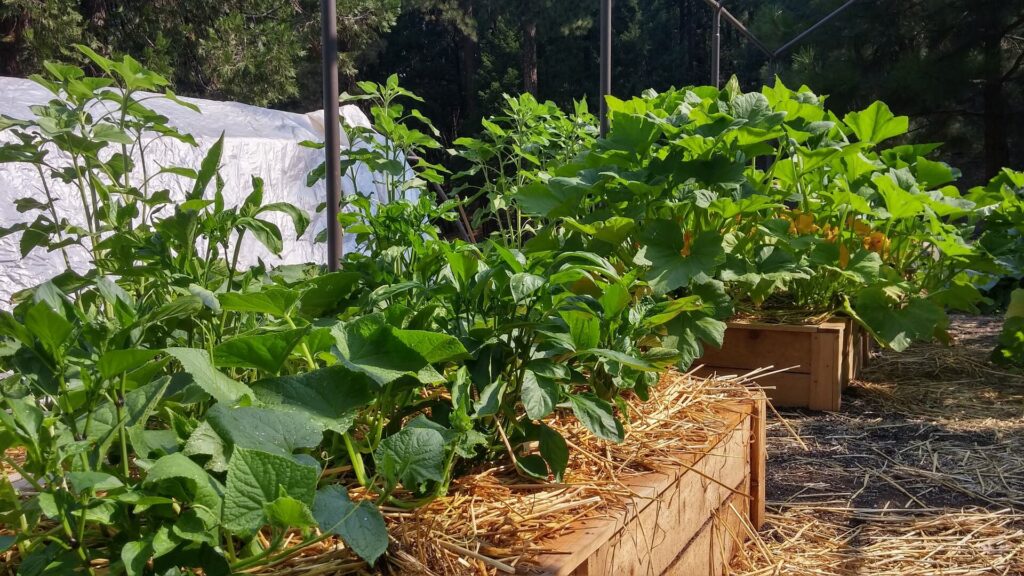
As anyone with a small patch of land can attest, growing your own fruits and vegetables is a rewarding experience that can provide a significant portion of your family’s nutritional needs. However, to produce truly organic products, it’s essential to avoid using pesticides and fertilizers that contaminate the soil and affect crop quality.
To achieve this, we must adopt sustainable agriculture practices, specifically symbiotic agriculture, which harnesses nature’s natural processes to enrich the soil and promote healthy plant growth.
What is Symbiotic Agriculture?
Symbiotic agriculture is an approach to farming that utilizes ancient techniques to tap into the natural fertility of the soil. This method emphasizes the interconnectedness between plants and their surroundings, where both components benefit from each other’s presence. By embracing symbiosis, we can create a harmonious balance between our agricultural practices and the environment.
The Science Behind Symbiotic Agriculture
Symbiotic agriculture is based on the idea that living organisms are connected through complex networks of relationships, known as ecosystems. By understanding these relationships, we can design gardens that work in harmony with nature, rather than against it.
One key concept in symbiotic agriculture is the concept of “mycorrhizal networks.” These networks involve fungi that form relationships with plant roots, exchanging nutrients and information. This mutualistic relationship allows plants to access resources they might not be able to obtain on their own, such as water and essential minerals.
4 Key Principles of Symbiotic Gardening
To establish a thriving symbiotic garden, follow these four fundamental principles:
- Leave the Soil Undisturbed: Avoid excessive tilling to preserve the soil’s natural composition and allow beneficial microorganisms to thrive.
- Maintain Good Air Circulation: Ensure adequate air circulation around plants by creating pathways for easy access while minimizing soil compaction.
- Nourish the Soil Naturally: Refrain from synthetic fertilizers, allowing organic matter to build up through cover cropping, composting, and crop rotation.
- Diversify Your Crop Selection: Plant a minimum of three distinct species in each bed: legumes for nitrogen fixation, alliums (garlic, onions, leeks) for pest control, and vegetables for their nutritional value.
Organizing Your Symbiotic Garden
To effectively organize your garden, follow these steps:
- Prepare the soil with care to ensure optimal drainage and structure.
- Create separate areas for pathways and raised beds to facilitate easy access while minimizing foot traffic.
- Cover crops in winter to protect against extreme temperatures and evaporate excess moisture during summer months.
- Harvest your crops by cutting them at soil level, allowing roots to decompose naturally.
Benefits of Symbiotic Gardening
By embracing these principles and practices, you can enjoy numerous benefits, including:
- Improved crop quality and yield
- Increased biodiversity and ecosystem services
- Reduced reliance on synthetic fertilizers and pesticides
- Enhanced environmental sustainability
Tips for Creating a Thriving Symbiotic Garden
To get the most out of your symbiotic garden, keep in mind these additional tips:
- Incorporate a mix of annuals and perennials to ensure year-round interest and productivity.
- Use mulch or cover crops to maintain soil moisture and suppress weeds.
- Monitor weather patterns and adjust your gardening schedule accordingly.
Common Challenges in Symbiotic Gardening
While symbiotic gardening offers many benefits, it can also present challenges. Some common issues include:
- Managing pests and diseases without chemical interventions
- Maintaining soil fertility over time
- Dealing with unexpected weather events or crop failures
Overcoming Common Challenges
To overcome these challenges, consider the following strategies:
- Use natural pest control methods, such as introducing beneficial insects or using physical barriers to prevent infestations.
- Implement a regenerative agriculture approach, which focuses on building soil health and biodiversity through practices like cover cropping and composting.
- Develop a plan for managing unexpected events, such as crop failures or extreme weather conditions.
Case Studies: Real-World Examples of Symbiotic Gardening
To illustrate the potential of symbiotic gardening, consider these real-world examples:
- A community garden in urban Philadelphia has implemented a symbiotic gardening program, which includes cover cropping, composting, and crop rotation. The result is improved soil fertility and increased biodiversity.
- A permaculture farm in Australia has created a thriving ecosystem by incorporating multiple layers of plants and beneficial organisms. This approach has allowed the farm to produce high-quality, organic crops while minimizing its environmental impact.
Conclusion
By adopting sustainable agriculture practices like symbiotic gardening, you can create a thriving and resilient garden ecosystem that benefits both your family and the environment. With patience, dedication, and a willingness to learn, you can enjoy the rewards of growing your own organic produce while minimizing your impact on the planet.
Frequently Asked Questions (FAQs)
- What is symbiotic agriculture?
Symbiotic agriculture is an approach to farming that harnesses nature’s natural processes to enrich the soil and promote healthy plant growth, creating a harmonious balance between plants and their surroundings.
- How do I get started with symbiotic gardening?
Begin by preparing your soil, creating pathways, and incorporating cover crops to ensure optimal conditions for beneficial microorganisms and diverse plant species.
- What are some examples of symbiotic crops?
Legumes (e.g., beans, peas), alliums (garlic, onions, leeks), vegetables (e.g., tomatoes, cucumbers), and flowers like marigolds and nasturtiums promote beneficial relationships between plants and their surroundings.
- How often should I fertilize my symbiotic garden?
Avoid synthetic fertilizers and instead focus on building up organic matter through composting, cover cropping, and crop rotation to nourish your soil naturally.
- What are some common pests or diseases that can affect a symbiotic garden?
Monitor for signs of pests and diseases like aphids, slugs, and powdery mildew, using natural methods to control infestations before resorting to chemical treatments.
- How do I manage weeds in my symbiotic garden?
Use mulch or cover crops to suppress weed growth while maintaining soil health and promoting beneficial relationships between plants.
- What are some benefits of symbiotic gardening for the environment?
By reducing synthetic fertilizer and pesticide use, creating biodiversity, and preserving ecosystem services, symbiotic gardening contributes significantly to environmental sustainability.
- Can I still grow a large crop yield in a symbiotic garden?
Yes! With careful planning, efficient watering practices, and optimal soil management, symbiotic gardens can produce high-quality, nutrient-rich crops while maintaining ecological balance.


