
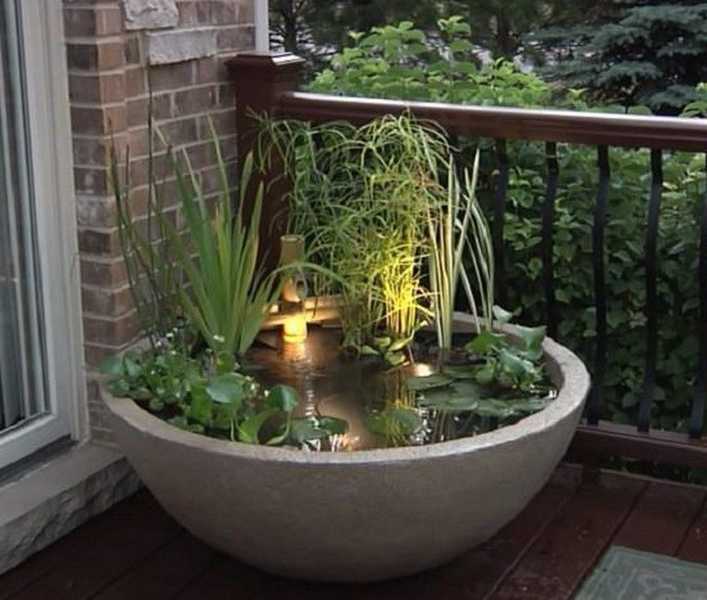
Creating a Pond on Your Balcony: A Comprehensive Guide
As someone who doesn’t have a garden, you may find yourself longing for the freedom to cultivate your own green space. Creating a pond on your balcony is an excellent solution, offering a serene and thriving ecosystem that’s perfect for relaxation and entertainment.
Before we dive into the process of creating a pond, let’s explore why this concept appeals to so many people. At first glance, ponds may seem like a negative or dirty environment. However, when viewed from a deeper perspective, they’re actually fascinating microcosms that require attention and care. By understanding the benefits and challenges of creating a pond on your balcony, you’ll be well-equipped to create a unique and captivating feature.
Why Create a Pond on Your Balcony?
A pond is more than just a water feature – it’s an ecosystem that supports plant life, animal habitats, and even beneficial insects. By incorporating a pond into your balcony, you can:
- Enhance the aesthetic appeal of your outdoor space
- Reduce stress and promote relaxation
- Attract wildlife and support local biodiversity
- Create a sense of community and connection with nature
Choosing the Right Container
The first step in creating a pond is selecting the right container. Look for something with a minimum diameter of 1.5 feet (45 cm) and a height of at least 2 feet (60 cm). Make sure it’s free from any chemicals that could harm the plants or animals.
Preparing the Container
Before filling your container, prepare it by adding a layer of small rocks or pebbles to create drainage holes. You can also add a thin layer of gravel or sand to help with filtration.
Adding Water and Debris
Fill your container about 1/3 full with water from a source you trust, such as a rainwater collection system or a filtered tap. Add some debris like leaves or small twigs to create habitat for beneficial insects.
Selecting Pond Plants
The next step is selecting the right plants for your pond. You’ll want to choose species that are well-suited to your climate and can thrive in low-light conditions. Some popular options include:
- Water Lilies: These beautiful flowers provide shade, reduce algae growth, and attract beneficial insects.
- Cattails: These versatile plants help filter the water, provide habitat for fish and other animals, and add visual interest to your pond.
- Submerged Plants: These underwater plants like Elodea and Ceratophyllum submersum absorb excess nutrients, reduce algae growth, and create a haven for aquatic life.
Introducing Pond Animals
Once your pond is established, you can introduce pond animals like fish, frogs, or even turtles. Make sure to research the specific needs of each species before making a decision.
Creating a Sustainable Pond Ecosystem
To create a sustainable pond ecosystem, consider implementing the following strategies:
- Regular Water Changes: Regularly change the water in your pond to maintain optimal water quality and prevent algae growth.
- Plant Selection: Choose plants that are well-suited to your climate and can thrive in low-light conditions.
- Animal Management: Research the specific needs of each species before introducing animals to your pond, and ensure you can provide the necessary care and housing.
Conclusion
Creating a pond on your balcony requires careful planning and attention to detail. By following these steps, you’ll be well on your way to creating a thriving ecosystem that brings joy and serenity to your outdoor space. Remember to always prioritize the health and well-being of your plants and animals, and don’t hesitate to reach out for expert advice when needed.
Frequently Asked Questions
Q: What kind of container should I use for my pond?
A: Look for something with a minimum diameter of 1.5 feet (45 cm) and a height of at least 2 feet (60 cm).
Q: How often should I change the water in my pond?
A: It’s recommended to change the water every week or two, depending on factors like weather conditions and plant growth.
Q: Can I keep fish in a small balcony pond?
A: Yes, but make sure to research the specific needs of each species before making a decision. Small fish like guppies or neon tetras are good options for small ponds.
Q: How can I prevent algae growth in my pond?
A: Regularly clean your pond, add beneficial bacteria supplements, and consider using an algaecide specifically designed for aquatic use.
Q: Can I use a pre-made pond kit for my balcony?
A: While these kits can be convenient, they may not provide the level of customization or flexibility you need. Consider building your own pond or purchasing individual components to create a unique ecosystem.
Q: What kind of plants are suitable for my balcony pond?
A: Choose species that thrive in low-light conditions and are well-suited to your climate. Some popular options include water lilies, cattails, and submerged plants like Elodea and Ceratophyllum submersum.
Q: Can I introduce other animals besides fish to my pond?
A: Yes, but make sure to research the specific needs of each species before making a decision. Other animals like frogs or turtles can add interest and diversity to your pond ecosystem.


