
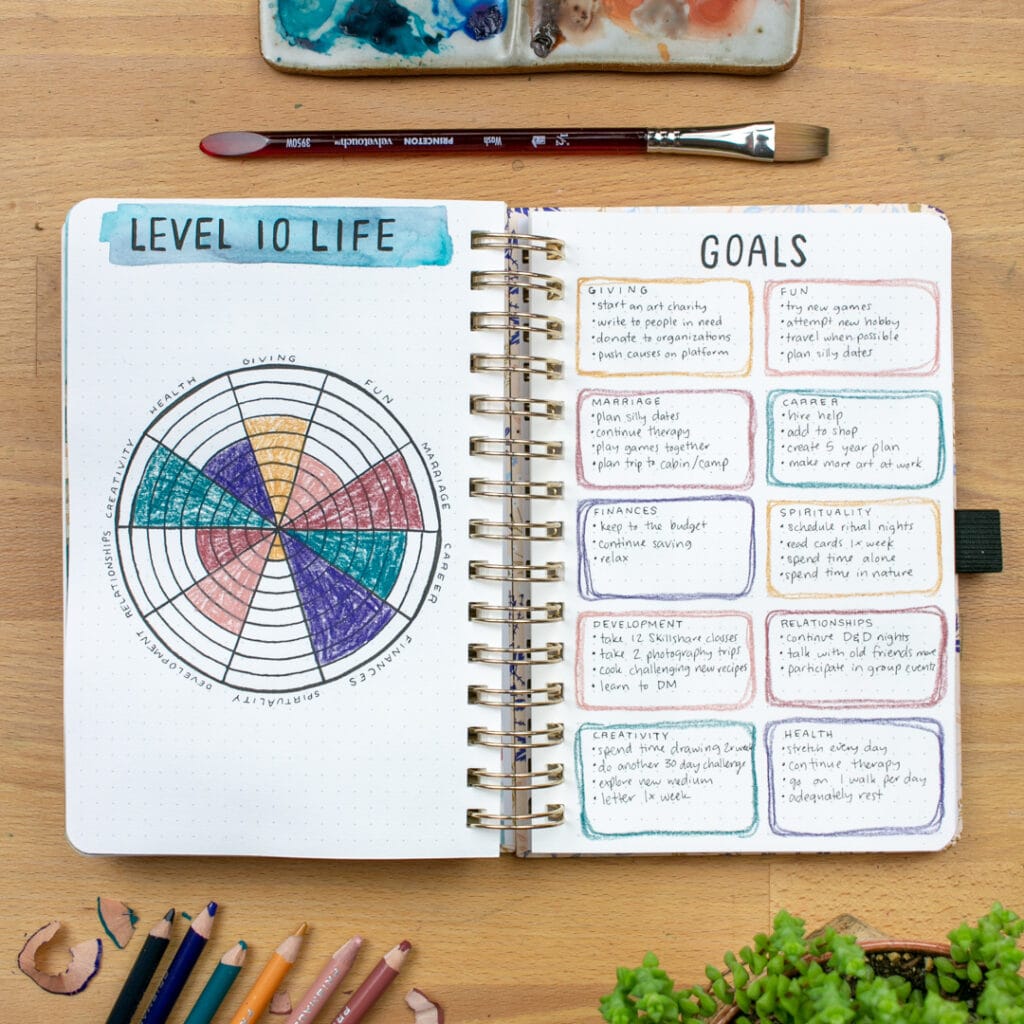
Are you ready to start your bullet journaling journey? If not, this is the perfect opportunity to begin. While there are many pre-made online templates and even store-bought options available, creating a custom bullet journal from scratch can be incredibly rewarding. Plus, it allows you to tailor the structure to fit your unique needs and preferences.
What is a Bullet Journal?
If you’re new to bullet journaling, let’s demystify this popular productivity system. A bullet journal is more than just an agenda; it’s a tool for personal growth, reflection, and self-care. It’s where you can track your daily activities, set goals, and monitor your progress. Think of it as a personal notebook that helps you stay organized, focused, and in control.
Why Create a Bullet Journal?
So, why should you create your own bullet journal? Here are just a few reasons:
- Customization: With a custom bullet journal, you can create a system that works specifically for you.
- Flexibility: You can add or remove pages as needed, making it easy to adapt to changing circumstances.
- Personalization: Your bullet journal is your own unique reflection of your personality and style.
Gathering Materials
Before we dive into creating your bullet journal, let’s gather the necessary materials:
- A blank notebook (preferably with good-quality paper)
- A set of pens or pencils
- A ruler or straightedge
- A pencil sharpener
- A eraser
- Optional: colored pens, markers, or other art supplies
Step 1: Brainstorming
Take a few minutes to brainstorm what you want to include in your bullet journal. Consider the following:
- What are your top goals and priorities?
- How do you want to track your daily activities?
- Are there any specific habits or routines you’d like to incorporate?
Some popular things to include in a bullet journal include:
- A task list
- A habit tracker
- A mood tracker
- A gratitude log
- A brain dump page for brainstorming and note-taking
Step 2: Creating Your Index
Your index is where you’ll keep track of all the pages in your bullet journal. It’s a great way to keep everything organized and easy to find.
- Start by creating an index page with a list of all the page numbers in your notebook.
- Use a ruler or straightedge to draw lines for each page number, making sure they’re evenly spaced.
- Write down the corresponding page number next to each line.
Step 3: Creating Your Trackers
Trackers are an essential part of any bullet journal. They help you stay organized and focused on your goals.
- Decide what type of trackers you want to include in your journal. Some popular options include:
- Habit tracker
- Mood tracker
- Gratitude log
- Sleep tracker
- Water intake tracker
- Design your trackers, making sure they’re visually appealing and easy to use.
- Start using your trackers right away, filling them out daily or as needed.
Tips for Creating Effective Trackers
- Keep it simple: Avoid overcomplicating your trackers with too many fields or options.
- Make it visual: Use colors, symbols, and images to make your trackers more engaging and fun to use.
- Keep it consistent: Try to maintain a consistent format for all of your trackers to help you stay organized.
Step 4: Creating Your Collections
Collections are a great way to organize your thoughts and ideas. They can be used for anything from brainstorming sessions to creative projects.
- Decide what type of collection you want to create. Some popular options include:
- Brainstorming page
- Idea generator
- To-do list
- Goal setting page
- Design your collection, making sure it’s visually appealing and easy to use.
- Start using your collection right away, filling it out as needed.
Tips for Creating Effective Collections
- Keep it focused: Try to keep each collection focused on a single theme or topic.
- Make it flexible: Don’t be afraid to adjust the layout or format of your collections as needed.
- Use it regularly: Try to use your collections regularly, either daily or weekly.
Step 5: Customizing Your Journal
Now that you have a solid foundation for your bullet journal, it’s time to customize it. Consider adding:
- Stickers or washi tape
- Colorful pens or markers
- Custom illustrations or doodles
The possibilities are endless!
Tips for Customizing Your Bullet Journal
- Don’t be afraid to experiment: Try out new layouts, colors, and designs until you find a system that works for you.
- Keep it simple: Avoid overcomplicating your journal with too many embellishments or decorations.
- Make it personal: Incorporate personal touches, such as photos or quotes, to make your bullet journal truly unique.
Conclusion
Creating a bullet journal is a fun and rewarding process that can help you stay organized and focused on your goals. By following these steps, you’ll be well on your way to creating a custom bullet journal that’s tailored to your unique needs and preferences.
Frequently Asked Questions
- Q: Do I need to be artistic to create a bullet journal?
A: No, you don’t need to be artistic to create a bullet journal. The most important thing is to make it functional and easy to use. - Q: Can I use digital tools instead of physical paper?
A: While digital tools can be convenient, they often lack the tactile nature of physical paper. Many people find that using a bullet journal helps them stay more engaged and focused. - Q: How do I get started with creating a bullet journal?
A: Start by brainstorming what you want to include in your journal. Then, gather your materials and begin designing your trackers and collections. Don’t be afraid to experiment and try new things!
FAQs
- What is the best way to start my bullet journal?
- How do I make my bullet journal more visually appealing?
- Can I use different types of paper for my bullet journal?
- How often should I update my bullet journal?
- Are there any specific habits or routines that I should include in my bullet journal?
Tips and Tricks
- Use a consistent format: Try to maintain a consistent layout and design throughout your bullet journal.
- Experiment with different tools: Don’t be afraid to try out new pens, pencils, or other art supplies to find what works best for you.
- Make it fun: Remember, the most important thing is to have fun and enjoy the process of creating your bullet journal.
By following these tips and tricks, you’ll be well on your way to creating a custom bullet journal that’s tailored to your unique needs and preferences. Happy journaling!


