
As a gardener or farmer, understanding your soil’s pH is crucial to ensuring the health and growth of your plants. But what exactly is pH, and how do you know if your soil needs adjusting? In this article, we’ll explore the importance of soil pH, how to measure it, and most importantly, how to correct an imbalanced pH.
Understanding Soil pH
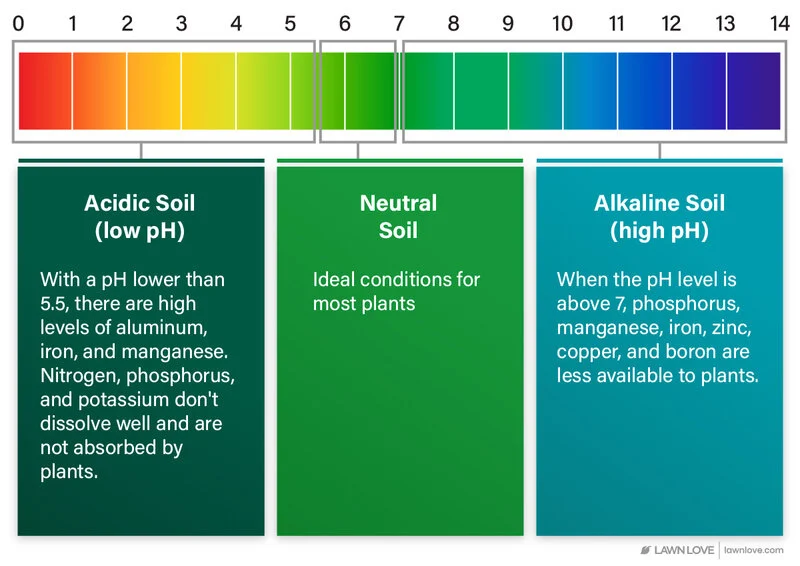
Soil pH is a measure of its acidity or alkalinity. It’s measured on a scale from 0 to 14, with 7 being neutral. A pH below 7 indicates acidic conditions, while a pH above 7 indicates alkaline conditions. Most plants prefer a slightly acidic to neutral soil pH, between 6.0 and 7.0.
Measuring Soil pH
To determine if your soil needs adjusting, you’ll need to measure its pH. There are two common methods:
- pH Meter: A pH meter is the most accurate way to measure soil pH. It’s a handheld device that uses electrodes to detect the pH of the soil. You can find pH meters online or at gardening stores for around $20-$50.
- Soil Test Kit: If you don’t have access to a pH meter, you can use a soil test kit. These kits usually include a small container, some chemicals, and instructions on how to mix and measure the solution.
Correcting Soil pH
Once you’ve determined your soil’s pH, it’s time to correct it. Here are some tips:
- Adding Alkaline Substances: If your soil is too acidic, you can add alkaline substances like lime or wood ash.
- Using Acidic Substances: If your soil is too alkaline, you can use acidic substances like peat moss or sulfur.
Common Mistakes to Avoid
When adjusting your soil’s pH, there are some common mistakes to avoid:
- Over-Adding Substances: Don’t over-add alkaline or acidic substances, as this can cause more harm than good.
- Ignoring Soil Structure: Don’t forget that soil structure is important too. Adding amendments without considering the soil’s structure can lead to compaction and other problems.
Best Practices for Adjusting Soil pH
Here are some best practices to keep in mind when adjusting your soil’s pH:
- Test Regularly: Test your soil regularly to ensure it’s at the right pH.
- Add Amendments Gradually: Add amendments gradually, as excessive additions can disrupt the soil’s balance.
- Consider Your Plants’ Needs: Consider your plants’ needs and adjust your soil’s pH accordingly.
Frequently Asked Questions
Here are some frequently asked questions about adjusting soil pH:
- What is the best way to measure soil pH?
- The best way to measure soil pH is using a pH meter.
- How often should I test my soil’s pH?
- It’s recommended to test your soil’s pH at least once a year.
- Can I use household items to adjust my soil’s pH?
- No, it’s not recommended to use household items to adjust your soil’s pH. Use approved amendments and follow best practices.
Soil pH and Plant Growth
Soil pH can have a significant impact on plant growth and health. Here are some ways in which soil pH can affect plants:
- Nutrient Availability: Soil pH affects the availability of nutrients for plants. For example, iron is more easily available to plants when the soil pH is between 6.0 and 7.0.
- Root Growth: Soil pH can also impact root growth. Acidic soils can limit root growth, while alkaline soils can promote it.
- Fertility: Soil pH can also impact plant fertility. For example, sulfur can help to reduce the risk of nutrient deficiencies in acidic soils.
Soil pH and Microorganisms
Soil pH can also impact microorganisms that live in soil. Here are some ways in which soil pH can affect microorganisms:
- Bacterial Activity: Soil pH can affect bacterial activity. For example, bacteria thrive in slightly acidic to neutral soils.
- Fungal Growth: Soil pH can also impact fungal growth. For example, fungi grow best in slightly alkaline soils.
Soil pH and Erosion
Soil pH can also impact erosion. Here are some ways in which soil pH can affect erosion:
- Soil Stability: Soil pH can impact soil stability. Acidic soils tend to be more unstable than alkaline soils.
- Erosion Risk: Soil pH can also impact the risk of erosion. For example, acidic soils are more prone to erosion due to their lower pH.
Conclusion
Optimizing your soil’s pH is crucial for plant growth and health. By understanding how to measure and correct soil pH, you can create a healthy environment for your plants to thrive. Remember to test your soil regularly, add amendments gradually, and consider your plants’ needs when adjusting your soil’s pH.


