
Reducing Sodium in Cooking: A Guide to Lowering Your Salt Intake
Are you tired of feeling like your food is missing flavor? Do you want to know how to cook without salt, but aren’t sure where to start? In this article, we’ll explore the reasons why salt is bad for our health and provide a step-by-step guide on how to reduce sodium in your cooking.
The Risks of High Salt Consumption
High salt consumption has been linked to various health problems, including high blood pressure, kidney disease, osteoporosis, cardiovascular disease, and inflammatory processes. In fact, research suggests that reducing salt intake can lead to a decrease in inflammation, which is associated with various chronic diseases.
According to health authorities, the recommended daily salt intake is no more than 5-6 grams (1/2 teaspoon of salt). Consuming excessive amounts of salt can lead to a range of health problems. In Italy, for example, it’s estimated that people consume an average of 10-11 grams of salt per day.
Tips for Reducing Salt Intake
To start reducing your sodium intake, you need to understand where the salt is coming from in your diet. Here are some tips:
- Avoid processed foods: Many packaged foods contain high amounts of salt, including sugary drinks, canned goods, and frozen meals.
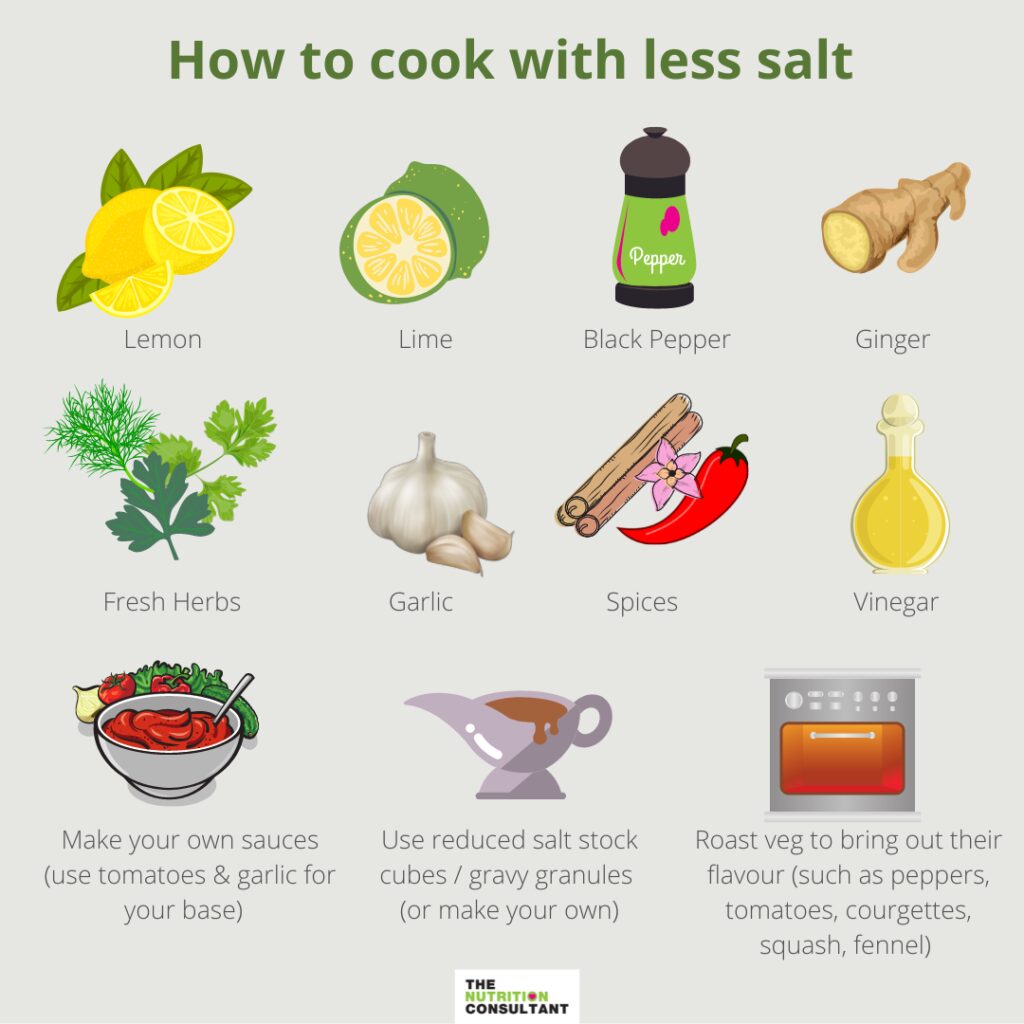
- Avoid using salt as a seasoning: Instead, try using herbs and spices like garlic, ginger, and chili peppers to add flavor to your food.
- Choose whole foods: Fresh fruits, vegetables, whole grains, lean proteins, and healthy fats are naturally low in sodium.
- Read labels carefully: Check the ingredient list and nutrition label to see how much salt is in each serving.
Cooking Without Salt
Now that you know why salt is bad for your health and how to reduce your intake, let’s talk about cooking without it. Here are some tips:
- Use salt-free seasoning blends: Look for pre-made seasoning blends that are low in sodium or make your own using herbs and spices.
- Try alternative sweeteners: Instead of using sugar, try using honey, maple syrup, or other natural sweeteners to add flavor to your food.
- Experiment with new ingredients: Try using different types of salt-free seasonings like citrus zest, garlic, or chili peppers to add flavor to your dishes.
- Gradually reduce sodium in your diet: If you’re used to adding a lot of salt to your food, it may take some time to get used to cooking without it. Start by reducing the amount of salt you use and gradually decrease it over time.
Salt-Free Seasoning Options
There are many salt-free seasoning options available that can add flavor to your food without the sodium. Some popular options include:
- Salt-free seasoning blends: Look for pre-made seasoning blends that are low in sodium or make your own using herbs and spices.
- Citrus zest: Use citrus zest like lemon, lime, or orange to add a burst of flavor to your dishes.
- Garlic: Garlic is a natural flavor enhancer that can add depth to your food without the need for salt.
- Chili peppers: Chili peppers are a great way to add heat and flavor to your dishes.
Benefits of Reducing Sodium Intake
Reducing sodium intake has numerous health benefits, including:
- Lower blood pressure: Excessive sodium consumption can lead to high blood pressure, which increases the risk of heart disease, stroke, and kidney disease.
- Weight loss: Consuming high amounts of salt can lead to water retention, which can contribute to weight gain. Reducing sodium intake can help with weight loss efforts.
- Improved digestive health: Excessive sodium consumption can disrupt digestion and cause symptoms like bloating, gas, and stomach pain.
- Reduced risk of cardiovascular disease: High blood pressure is a major risk factor for cardiovascular disease, which includes conditions such as heart attacks, strokes, and peripheral artery disease.
Frequently Asked Questions
- How do I know if my food is high in sodium?
- Check the ingredient list and nutrition label to see how much salt is in each serving.
- Can I still add salt to my food if I’m trying to reduce my intake?
- Yes, but try using small amounts (1/4 teaspoon or less) and gradually increase as needed.
- What are some alternatives to salt that can add flavor to my food?
- Try using citrus zest, garlic, chili peppers, or other herbs and spices to add flavor to your dishes.
- How long will it take for my taste buds to adjust to cooking without salt?
- It may take some time (a few weeks or months) for your taste buds to adjust to cooking without salt. Be patient and keep experimenting with new ingredients!
Conclusion
Reducing sodium intake is a simple yet effective way to improve overall health and well-being. By understanding where salt comes from in our diet, using salt-free seasoning options, and gradually reducing sodium in our diet, we can cook delicious meals without the need for excessive salt. With these tips and tricks, you’ll be on your way to a healthier, tastier kitchen.
Additional Tips
- Experiment with new ingredients: Try using different types of salt-free seasonings like citrus zest, garlic, or chili peppers to add flavor to your dishes.
- Keep track of your sodium intake: Use a food diary or an app to track your daily sodium intake and make adjustments as needed.
- Consult with a healthcare professional: If you have concerns about your sodium intake or overall health, consult with a registered dietitian or healthcare professional for personalized advice.
By following these tips and taking control of our sodium intake, we can cook delicious meals without the need for excessive salt, improving our overall health and well-being in the process.


