
When it comes to cooking, many of us reach for oil as a convenient way to add flavor and moisture to our dishes. However, excessive oil consumption can lead to a range of health problems, from high cholesterol to weight gain. But what if you could cook delicious meals without using a drop of oil? It’s easier than you think!
Understanding the Problem with Oil in Cooking
Before we dive into the world of oil-free cooking, let’s talk about why we should reduce our oil usage in the first place. Olive oil, often considered healthy due to its high levels of monounsaturated fats, can become unhealthy when heated to high temperatures. This process creates harmful compounds that can accumulate in our arteries and waistlines over time.
So, what’s a healthier alternative? We’ll explore this question in detail as we discuss various methods for cooking without oil.
Choosing the Right Cooking Oil (Or Not!)
If you’re looking for a healthier oil option, consider using extra virgin olive oil “raw” (unfiltered). This type of oil is less processed and retains more nutrients. However, even raw olive oil should be used in moderation due to its high calorie content.
In fact, the American Heart Association recommends limiting daily intake of olive oil to 1-2 tablespoons. It’s essential to note that while olive oil can add flavor to our dishes, it’s not a necessity, and there are many other ways to cook without using oil at all!
How Much Oil Should You Use?
When it comes to salad dressings, a little oil goes a long way. For 200g of salad, just one tablespoon of olive oil is enough. In sauces, add the oil towards the end of cooking to prevent it from getting too hot and losing its nutritional value.
Non-Stick Pans: The Key to Oil-Free Cooking
To cook without oil, use non-stick pans and replace water with a small amount of liquid (broth or stock) instead. This technique not only reduces calorie intake but also highlights the natural flavors of food. You can also drizzle a small amount of olive oil onto the pan before cooking for added flavor.
Non-stick pans are an excellent option for oil-free cooking because they allow you to cook without any additional fat, making them perfect for low-calorie meals. Plus, they’re easy to clean and maintain, which is a bonus!
Steaming: A Healthy Alternative
Vegetables, fish, and other food can be cooked using steam. If you don’t have a steamer, you can use a pot with holes or simply cover the dish in aluminum foil and cook it in the microwave (or oven). However, don’t assume that simply covering the food with a lid and placing it over boiling water will steam-cook it; this method takes much longer than actual steam cooking.
Steaming is an excellent way to retain nutrients and add flavor to your meals. When done correctly, steamed vegetables are tender, juicy, and full of vitamins!
Oven Cooking: A Low-Fat Alternative
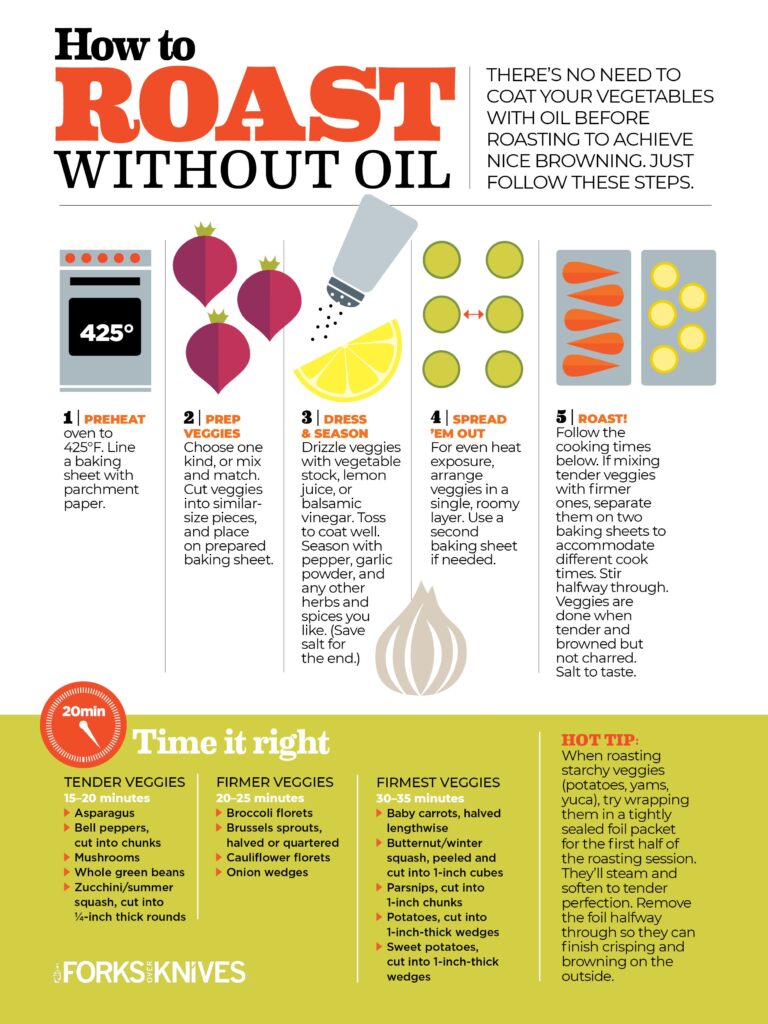
Frittatas can be cooked in non-stick pans or in the oven by placing them on a baking sheet lined with parchment paper. This technique allows for even cooking and retention of nutrients, making it an excellent way to cook without oil.
In addition to frittatas, other dishes that benefit from oven cooking include quiches, casseroles, and roasted vegetables. When cooked in the oven, these meals are not only delicious but also low-fat!
Grilling and Braising: The Perfect Alternatives
Instead of deep-frying vegetables, fish, and meat, use a grill or brazier. The best fish for grilling are salmon, tuna, swordfish, sardines, and eel, as well as shrimp, squid, and cuttlefish.
When it comes to braising, slow-cooked meats like beef, pork, lamb, and chicken become tender and juicy when cooked in liquid over low heat. Whether you’re grilling or braising, these methods are perfect for adding flavor without oil!
Cooking Without Oil Alternatives: Flavors and Flavorings
If you want to add flavor to your food without using oil, consider these alternatives:
- Soy sauce (note: not suitable for those with high blood pressure)
- Light vinaigrettes made from vinegar and spices or rice vinegar and wasabi paste
- Gomasio: an Asian condiment made from salt and toasted sesame seeds
- Fresh citrus juice (orange, lemon, lime)
- Apple cider vinegar, white wine vinegar, cranberry vinegar, balsamic vinegar, and sake
- Wasabi: a spicy Japanese sauce made from horseradish
These oil-free alternatives can add flavor to your dishes without adding fat, making them perfect for healthy meals. Plus, they’re often low in calories and rich in nutrients!
Conclusion
Cooking without oil is not only good for your health but also can help you create delicious meals. By using non-stick pans, steaming, oven cooking, grilling, and braising, you can reduce your calorie intake while highlighting the natural flavors of food. Additionally, incorporating these oil-free alternatives can add flavor to your dishes without adding fat.
Incorporating cooking without oil into your daily routine can have numerous health benefits, including:
- Weight loss: By reducing calorie intake, you can lose weight and maintain a healthy weight.
- Improved heart health: Cooking without oil reduces the risk of heart disease by lowering cholesterol levels and blood pressure.
- Increased energy: When cooked without oil, food is often lower in calories and higher in nutrients, which can increase energy levels and improve overall well-being.
So, why not give cooking without oil a try? With these simple techniques and alternatives, you can unlock the secrets to delicious and healthy meals!
Frequently Asked Questions
- Can I use any type of pan for oil-free cooking?
- While non-stick pans are ideal for oil-free cooking, you can also use cast-iron or stainless steel pans with a small amount of liquid.
- What’s the best way to steam-cook food?
- Use a pot with holes or cover the dish in aluminum foil and cook it in the microwave (or oven).
- Can I bake without oil?
- Yes, baking is an excellent way to cook without oil, allowing for even cooking and retention of nutrients.
- What are some healthy alternatives to soy sauce?
- Light vinaigrettes made from vinegar and spices or rice vinegar and wasabi paste can add flavor to your dishes without adding fat.
- Can I use olive oil in oil-free cooking?
- While olive oil is a healthier option, it should still be used in moderation due to its high calorie content.
- What are some benefits of grilling or braising instead of frying?
- Grilling and braising can help reduce calorie intake while adding flavor to your dishes without adding fat.
- Can I use wasabi as a substitute for oil in cooking?
- Yes, wasabi is a spicy Japanese sauce made from horseradish that can add flavor to your dishes without adding fat.
- What’s the best way to store non-stick pans for oil-free cooking?
- Clean and dry non-stick pans after each use and store them in a cool, dry place to prevent damage.
By incorporating these techniques and alternatives into your cooking routine, you can create delicious meals without using a drop of oil. So, what are you waiting for? Start cooking without oil today!


