
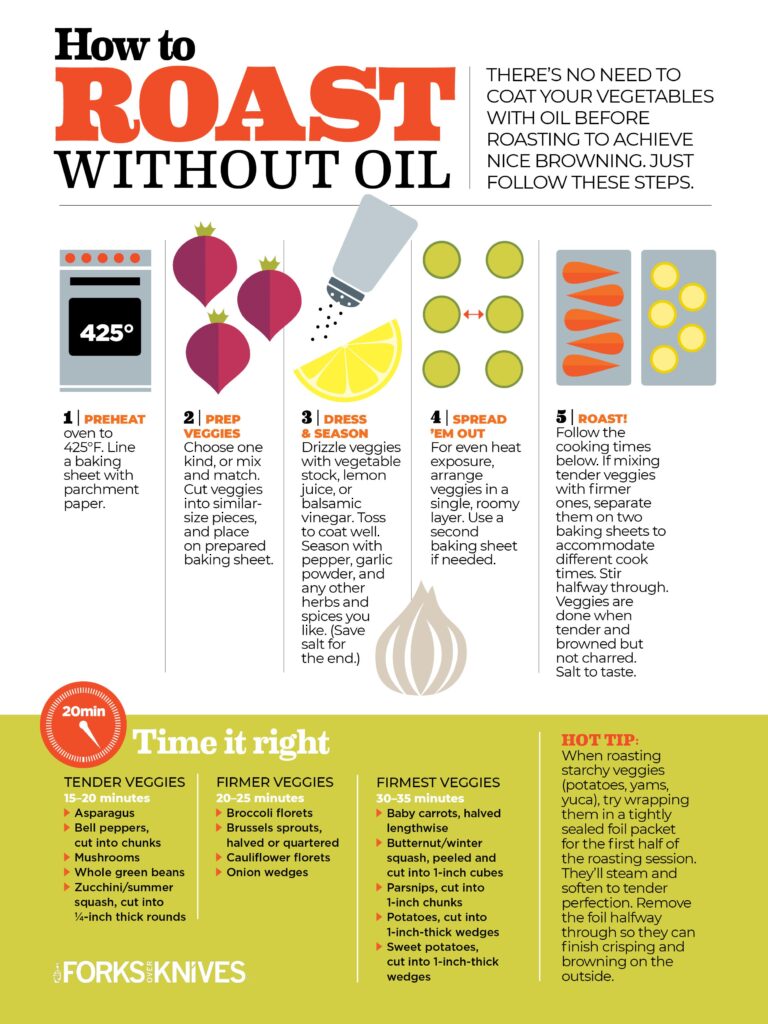
Are you looking for ways to cook without oil? You’re not alone. With the increasing awareness of the health benefits of reducing our fat intake, many people are turning to alternative cooking methods and condiments.
While it’s true that some cooking methods don’t require oil, such as grilling, roasting, or steaming, we can still add flavor to our dishes without using oil. In this article, we’ll explore the world of non-oil condiments and provide you with a comprehensive guide on how to cook without oil.
Why Cook Without Oil?
Before we dive into the world of non-oil condiments, let’s talk about why we should consider cooking without oil in the first place. Not only can excessive oil consumption lead to weight gain and increased risk of heart disease, but it also adds calories to our dishes.
Fortunately, there are plenty of delicious and healthy alternatives to oil that can add flavor to your meals without adding excess fat or calories.
The Benefits of Cooking Without Oil
Cooking without oil has numerous benefits, including:
- Weight Loss: Reducing oil consumption can lead to weight loss and improved body composition.
- Improved Heart Health: Cooking without oil can lower cholesterol levels and reduce the risk of heart disease.
- Increased Nutrient Absorption: Cooking without oil allows for better nutrient absorption, as water-soluble vitamins are preserved during cooking.
Alternative Cooking Methods
Before we talk about condiments, let’s explore some alternative cooking methods that don’t require oil. These include:
- Grilling: Grilling is a great way to cook protein-rich foods like steak, chicken, and fish. It adds a smoky flavor and caramelizes the natural sugars in the food.
- Roasting: Roasting brings out the natural flavors of vegetables and meats without the need for oil. It’s a low-maintenance cooking method that results in tender, juicy meat.
- Steaming: Steaming is a low-calorie cooking method that preserves the nutrients in your food. It’s perfect for cooking delicate fish or vegetables without losing their flavor.
- Searing: Searing is a quick and easy way to cook protein-rich foods like steak and fish. It adds a crispy texture and a rich, savory flavor.
These alternative cooking methods can be just as flavorful as dishes cooked with oil, and they’re often healthier too!
Non-Oil Condiments
Now that we’ve talked about alternative cooking methods, let’s explore some non-oil condiments that can add flavor to your meals. Here are our top picks:
- Yogurt: Greek yogurt is a great base for salads and marinades. It adds creaminess and tanginess without the need for oil.
- Salsa de Soia: This soy sauce-based condiment is perfect for adding umami flavor to dishes without oil. It’s a versatile condiment that can be used as a marinade, a sauce, or a seasoning.
- Aceto Bianco: A light, delicate vinegar that pairs well with fish and vegetables. It adds a tangy flavor and helps bring out the natural sweetness of the ingredients.
Tips for Cooking Without Oil
Here are some tips to help you get started with cooking without oil:
- Choose the right cut of meat: Opt for lean cuts of meat, such as chicken breast or salmon fillets.
- Use herbs and spices for flavor: Instead of relying on oil for flavor, try using herbs and spices to add depth and complexity to your dishes.
- Experiment with non-oil condiments: Try out different non-oil condiments, such as yogurt or salsa de soia, to find the ones that work best for you.
Frequently Asked Questions
Here are some answers to common questions about cooking without oil:
Q: What’s a good substitute for oil in stir-fries?
A: Greek yogurt and salsa de soia make great substitutes for oil in stir-fries. They add creaminess and umami flavor without the need for oil.
Q: Can I use vinegar as a marinade instead of oil?
A: Yes, aceto bianco is a great alternative to oil that can add depth of flavor to your dishes. It’s perfect for marinating chicken or fish before grilling or roasting.
Q: What’s the best way to cook fish without oil?
A: Grilling or roasting are great ways to cook fish without adding extra fat. They result in tender, juicy meat with a crispy texture on the outside.
Q: Can I use non-oil condiments on all types of meat?
A: Absolutely, non-oil condiments can be used on both protein-rich meats and vegetables. Experiment with different combinations to find what works best for you.
Conclusion
Cooking without oil can be a game-changer for your health and taste buds. With the right condiments and cooking methods, you can create delicious and nutritious meals without adding excess fat or calories.
In this article, we’ve explored some alternative cooking methods and non-oil condiments that can add flavor to your meals. Whether you’re looking to reduce your fat intake or simply want to mix things up in the kitchen, we hope our guide has been helpful.


