
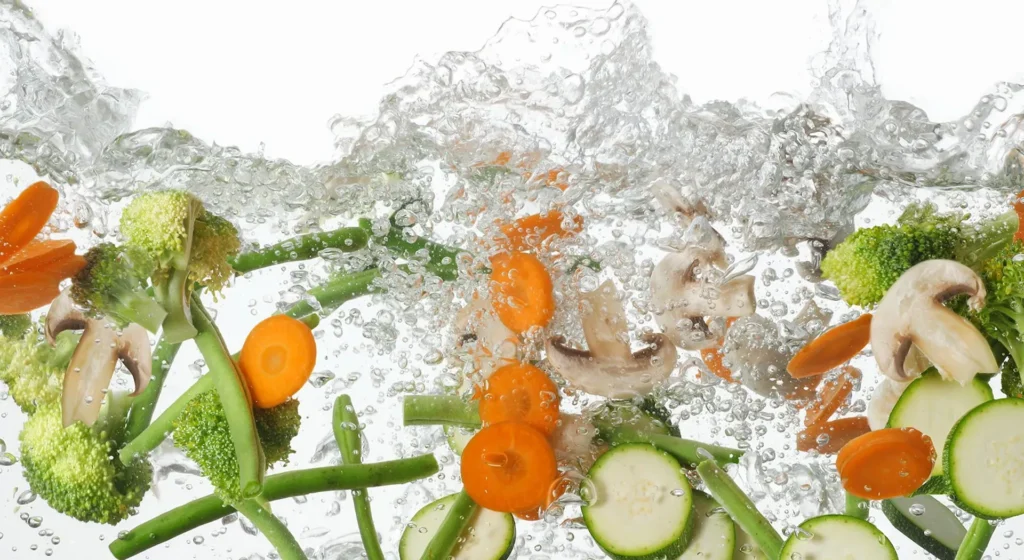
As we strive for a healthier lifestyle, one of the key aspects of diet that often gets overlooked is the type of fat we consume. Excessive intake of saturated fats can lead to a range of negative health effects, including increased risk of heart disease and obesity. Therefore, cooking without fats is an essential skill to master, and in this article, we’ll explore how to make delicious and healthy meals without relying on fatty ingredients.
The Dangers of Consuming Excessive Fats
Fats are an essential part of our diet, but when consumed excessively, they can have devastating effects on our health. Saturated fats, found in foods like butter, oil, and processed meats, can accumulate in our arteries, leading to a range of cardiovascular problems. Moreover, high-fat diets have been linked to obesity, diabetes, and certain types of cancer.
The Benefits of Cooking Without Fats
Cooking without fats is not only good for our health but also environmentally friendly. By reducing our reliance on fatty ingredients, we can significantly decrease our carbon footprint and contribute to a more sustainable food system.
Alternative Cooking Methods
To cook without fats, you don’t need to give up on flavor entirely. There are several alternative cooking methods that can help you achieve delicious results:
- Steaming: Steaming is a healthy method that preserves the nutrients in your food. It’s also low-fat and calorie-free.
- Baking: Baking is another great option for cooking without fats. You can use natural sweeteners like honey or maple syrup to add flavor to your dishes.
- Microwaving: Microwaving is a quick and easy way to cook meals without using excessive amounts of oil or butter.
- Boiling: Boiling is a simple method that requires minimal ingredients and is low in fat.
- Grilling: Grilling is a great option for cooking proteins like chicken, fish, and vegetables.
These methods allow you to prepare a wide range of dishes without using excessive amounts of oil or butter.
Choosing the Right Ingredients
When it comes to cooking without fats, having the right ingredients is crucial. Here are some essentials to keep in your pantry:
- Anti-stick pans and pots: These tools make it easy to cook meals without using excessive amounts of oil or butter.
- An oven or pressure pot: An oven or pressure pot can help you cook a variety of dishes without relying on fatty ingredients.
- Aluminum foil and baking paper: These materials are essential for reducing fat content in your recipes.
Cooking Without Fats: Guidelines
While cooking without fats may require some adjustments, there are several guidelines to keep in mind:
- Substitute oil with water: When using an anti-stick pan, substitute water for oil to reduce fat content.
- Use low heat: Cooking at low heat helps prevent the formation of fatty residues on your dishes.
- Cover food with a lid: Covering food while cooking helps retain moisture and nutrients.
- Steaming is recommended: Steaming is a healthy method that preserves the nutrients in your food.
Examples of Fat-Free Cooking
Here are some examples of delicious fat-free meals you can prepare using these guidelines:
- Eggs cooked with water instead of oil: This simple recipe is a great way to start your day without consuming excessive fats.
- Frozen pastry products baked in an oven covered with baking paper: These treats are perfect for satisfying your sweet tooth without consuming fatty ingredients.
- Pancakes made with natural white yogurt: This recipe is a healthier alternative to traditional pancakes and can be enjoyed as a delicious breakfast or snack.
These examples demonstrate that cooking without fats is not only possible but also delicious and satisfying.
Tips for Adding Flavor to Your Dishes
While cooking without fats may require some adjustments, it’s essential to remember that flavor is still essential. Here are some tips for adding flavor to your dishes without relying on fatty ingredients:
- Use herbs and spices: Herbs and spices can add a lot of flavor to your dishes without consuming excessive amounts of fat.
- Add a squeeze of fresh citrus juice: Citrus fruits like lemons, limes, and oranges are high in vitamin C and can add a burst of flavor to your meals.
- Try using natural sweeteners like honey or maple syrup: These sweeteners are low in sugar content and can be used as a healthier alternative to refined sugars.
Conclusion
Cooking without fats is an art that requires some adjustments, but the benefits are well worth it. By incorporating alternative cooking methods, choosing the right ingredients, and following guidelines, you can create delicious and healthy meals that satisfy your taste buds while promoting a healthier lifestyle.
Frequently Asked Questions
Q: What is the best way to cook without fats?
A: There are several alternative cooking methods that can help you achieve delicious results, including steaming, baking, microwaving, boiling, and grilling.
Q: How do I substitute oil with water in my recipes?
A: When using an anti-stick pan, simply substitute water for oil to reduce fat content. You can also use a small amount of water-based cooking spray instead of oil.
Q: Can I still add flavor to my dishes without relying on fatty ingredients?
A: Absolutely! Use herbs and spices, add a squeeze of fresh citrus juice, or try using natural sweeteners like honey or maple syrup to add flavor to your dishes.
Q: Are there any specific ingredients that I should avoid when cooking without fats?
A: Yes, it’s best to limit or avoid foods high in saturated fats, such as butter, oil, and processed meats. Instead, focus on whole grains, lean proteins, and a variety of fruits and vegetables.
Q: Can I still make delicious desserts without using fatty ingredients?
A: Absolutely! Try using natural sweeteners like honey or maple syrup, and experiment with different spices and flavor combinations to create delicious fat-free desserts.
Q: How can I reduce my carbon footprint by cooking without fats?
A: By reducing our reliance on fatty ingredients, we can significantly decrease our carbon footprint and contribute to a more sustainable food system. Consider using eco-friendly cookware, reducing food waste, and choosing locally sourced ingredients whenever possible.
Q: Can I still make healthy meals while following a low-fat diet?
A: Absolutely! A well-planned low-fat diet that includes plenty of fruits, vegetables, whole grains, and lean proteins can provide all the necessary nutrients for optimal health.


