
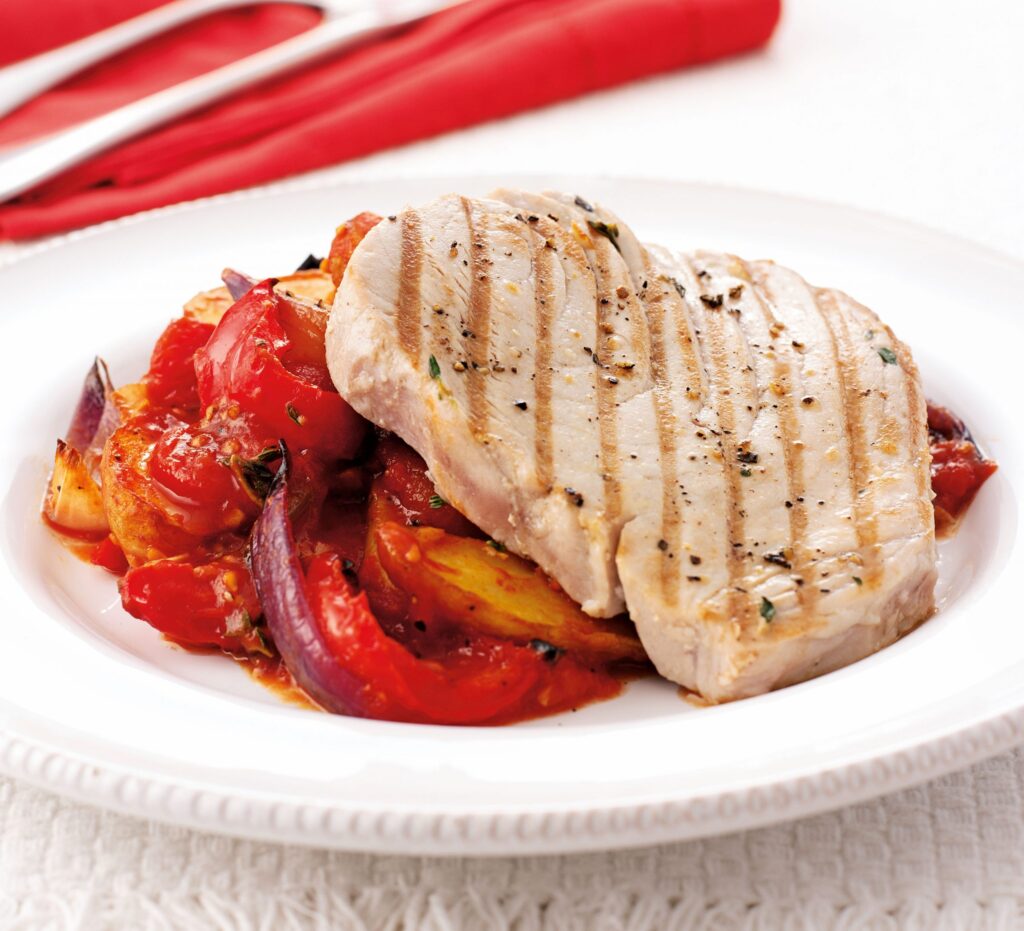
Are you ready to cook the perfect tuna? Whether you’ve bought fresh tuna and want to make the most of it or have caught your own, this article will guide you through various recipes and techniques for preparing this delicious fish.
From tuna in liquid to tuna baked in the oven, we’ll explore how to bring out the best flavors and textures in this versatile seafood. So, let’s dive into the world of tuna cooking!
Understanding Tuna
Fresh tuna at the market can be found whole or sectioned. If you’ve purchased an entire tuna or caught one yourself, you’ll have a variety of cuts to choose from:
- Filet: The most commonly used cut, it comes from the upper part of the fish.
- Tranci (slices): A popular choice for grilling and pan-frying.
- Ventresca: A prized cut rich in fat, perfect for barbecue and grilled applications. It’s also delicious raw, often served as sushi or sashimi.
- Bodano: A less common cut with a compact texture and minimal fat content. Ideal for serving raw (tartare or carpaccio) or cooked gently (steaming or poaching).
- Calcagnolo (tail): Often used in tuna baked in the oven, as it retains its juiciness well.
Cooking Tuna
Now that we’ve covered the different cuts of tuna, let’s move on to cooking techniques and recipes.
Baked Tuna
For a simple yet impressive dish, try baking your tuna. Choose a filet (preferably from the upper part) or calcagnolo.
- Preheat your oven to 180°C (350°F).
- Rinse the tuna under cold water and pat it dry with paper towels.
- Make small holes in the fish using a sharp knife, then fill them with aromatics like lemon zest, garlic cloves, and rosemary sprigs.
- Drizzle the tuna with white wine, then bake for 15 minutes.
For a more “in-braised” version, wrap the tuna in aluminum foil (no filet, though) and cook at 180°C for 25-30 minutes. You can also serve the tuna cold, thinly sliced and paired with vegetables like carrots, zucchini, and sedano bianco, dressed with an apple cider vinegar dressing.
Pan-Seared Tuna
For a quick and flavorful dish, try pan-searing your tuna.
- Choose tranci (slices) about 2.5-3 cm thick.
- Rinse the slices under cold water and pat them dry with paper towels.
- Secure each slice with kitchen twine to maintain its shape.
- Marinate the slices in a mixture of lemon juice, olive oil, minced garlic, and chopped rosemary for 30 minutes.
- Season with salt and pepper.
- Heat a non-stick pan over medium heat and sear the tuna slices for 3-4 minutes per side.
Grilled Tuna
If you have a barbecue or grill, try cooking your tuna in a similar manner to pan-searing, but with shorter cooking times (2-3 minutes per side).
- Choose tranci from the ventresca of the tuna.
- Rinse and dry as before.
- Marinate and season as described above.
Cooking Tuna in Liquid
For those who prefer a more moist dish, you can cook your tuna in liquid. Here’s a simple recipe using a conventional stovetop:
- Choose tranci or cut into bite-sized pieces if necessary.
- Rinse under cold water and pat dry with paper towels.
- Marinate the slices or chunks in a mixture of lemon juice, olive oil, minced garlic, and chopped rosemary for 30 minutes.
- Add the marinated tuna to a saucepan filled with enough liquid (stock or white wine) to cover it, then bring to a simmer over medium heat.
- Reduce heat to low and let cook until the fish is cooked through.
Frequently Asked Questions
Q: What’s the best way to serve raw tuna?
A: The ventresca cut, known for its rich flavor and firm texture, is an excellent choice. Serve it with a squeeze of lemon, accompanied by sushi rice or other complementary dishes.
Q: Can I use any type of cooking oil for pan-searing tuna?
A: No, as most oils have high smoke points that can burn during high-heat searing. Olive oil and avocado oil are popular choices due to their mild flavors and relatively low smoke points.
Q: Is it okay to overcook the tuna?
A: Yes, overcooking tuna is still better than undercooking it. However, be aware that overcooked fish might become tough or rubbery in texture. Use a food thermometer to check for internal temperature (145°F/63°C).
Q: Can I cook tuna at home if I don’t have access to a grill?
A: Absolutely! Pan-searing and stovetop cooking can produce excellent results, especially when using the right techniques and ingredients.
Q: How often should I purchase fresh tuna?
A: Fresh tuna has a relatively short shelf life. It’s best to buy it every 1-3 days, depending on the type of fish and storage conditions.
By following these recipes and tips, you’ll be well on your way to becoming a master of tuna cooking. With practice and patience, you’ll discover new flavors and textures in this versatile seafood.
Advanced Techniques
For experienced cooks looking to take their tuna game to the next level, here are some advanced techniques to explore:
- Sous Vide Tuna: Cook tuna sous vide at 63°C (145°F) for 30-60 minutes. This method ensures a consistent internal temperature and tender texture.
- Tuna Wellington: Wrap tuna in puff pastry with herbs and spices, then bake until golden brown. This dish is perfect for special occasions or dinner parties.
- Smoked Tuna: Smoke tuna over low heat (100°C/212°F) for several hours to infuse it with a rich, smoky flavor.
Tuna Pairing Suggestions
When pairing tuna with other ingredients, consider the following combinations:
- Lemon and Herb: Classic combination that enhances the natural flavors of tuna.
- Garlic and Chili: Spicy and savory, perfect for those who enjoy bold flavors.
- Miso and Soy Sauce: Umami-rich sauces complement the rich flavor of tuna.
Conclusion
Cooking tuna is an art that requires patience, practice, and attention to detail. By mastering these techniques and recipes, you’ll unlock a world of culinary possibilities with this versatile seafood. Whether you’re a seasoned chef or just starting out, remember to experiment and have fun with different flavors and ingredients. Happy cooking!


