
Introduction
Eggs are a staple ingredient in many cuisines around the world. Whether you like them scrambled, fried, poached, or boiled, eggs are a versatile and delicious addition to any meal. But did you know that cooking eggs can be an art form? The way you cook an egg can affect its texture, flavor, and nutritional content. In this article, we’ll explore the different ways to cook eggs, from classic recipes like omelettes and frittatas to more modern methods like poaching and microwaving.
The Science of Cooking Eggs
Cooking eggs is not just about throwing some eggs in a pan and cooking them until they’re done. The way you cook an egg can affect its texture, flavor, and nutritional content. Here are some key things to consider when cooking eggs:
- Texture: The texture of an egg can vary depending on how it’s cooked. For example, scrambled eggs are soft and fluffy, while overcooked eggs can be dry and rubbery.
- Flavor: The flavor of an egg can also change depending on how it’s cooked. For example, poached eggs have a rich, savory flavor, while boiled eggs have a more neutral taste.
- Nutrition: Eggs are a good source of protein, vitamins, and minerals. However, the nutritional content of an egg can vary depending on how it’s cooked. For example, cooking eggs with added fats or oils can increase their calorie content.
Classic Egg Recipes
There are many ways to cook eggs, and each method produces a unique result. Here are some classic egg recipes to try:
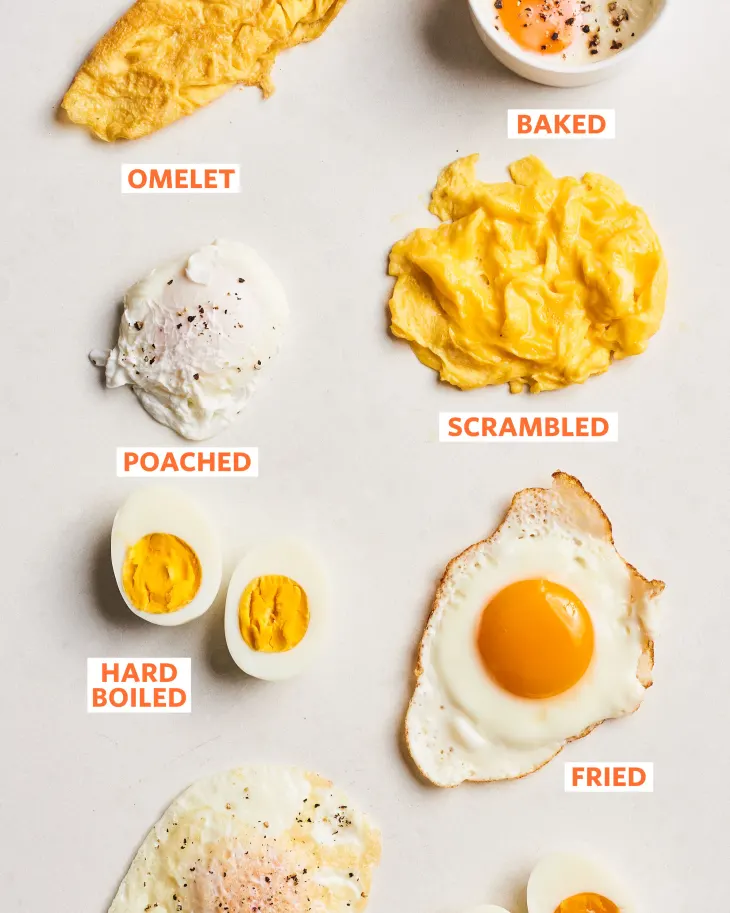
- Omelette: An omelette is a French dish made by folding an egg mixture over fillings like cheese, vegetables, or meat.
- Frittata: A frittata is an Italian dish made by cooking eggs with vegetables, cheese, and sometimes meat.
- Boiled Eggs: Boiling eggs is a simple way to cook them. Just place the eggs in a pot of cold water, cover it, and bring it to a boil.
- Scrambled Eggs: Scrambling eggs is another popular method of cooking them. Simply beat the eggs with a fork or whisk, add any desired seasonings, and cook them in a pan over low heat.
Modern Egg Cooking Methods
While classic egg recipes are delicious, there are also many modern methods for cooking eggs that can produce unique results. Here are some examples:
- Poaching Eggs: Poaching eggs is a delicate process that requires precision and skill. Simply crack an egg into a pot of simmering water and cook it until the whites are set.
- Microwaving Eggs: Microwaving eggs is a quick and easy way to cook them. Simply place the egg in the microwave and cook it for 30-45 seconds, or until the whites are set.
- Sous Vide Eggs: Sous vide eggs are cooked in a water bath at a precise temperature. This method produces eggs with a uniform texture and flavor.
Tips and Tricks for Cooking Eggs
Cooking eggs can be an art form, but there are also many tips and tricks to help you master the technique. Here are some examples:
- Use Fresh Eggs: Fresh eggs will produce better results than old eggs.
- Beat the Eggs Well: Beating the eggs well before cooking them will help them cook more evenly.
- Don’t Overcook: Don’t overcook the eggs, as this can make them dry and rubbery.
Additional Tips for Cooking Eggs
Here are some additional tips for cooking eggs:
- Use a Non-Stick Pan: Using a non-stick pan can help prevent eggs from sticking and make them easier to cook.
- Don’t Overcrowd the Pan: Don’t overcrowd the pan when cooking eggs, as this can cause them to stick together.
- Use a Thermometer: Using a thermometer can help you achieve the perfect temperature for cooking eggs.
Common Mistakes to Avoid When Cooking Eggs
Here are some common mistakes to avoid when cooking eggs:
- Overcooking: Overcooking eggs can make them dry and rubbery. Make sure to check on them frequently while they’re cooking.
- Undercooking: Undercooking eggs can result in raw or runny yolks. Make sure to cook them until the whites are set and the yolks are cooked through.
- Not Using Fresh Eggs: Not using fresh eggs can result in a poor texture and flavor. Make sure to use fresh eggs whenever possible.
Conclusion
Cooking eggs is an art form that requires precision, skill, and practice. Whether you like them scrambled, fried, poached, or boiled, eggs are a versatile and delicious addition to any meal. By understanding the science of cooking eggs and trying out different methods and recipes, you can master the technique and create delicious egg dishes for yourself and others.
FAQs
Here are some frequently asked questions about cooking eggs:
- What is the best way to cook eggs?
- The best way to cook eggs depends on your personal preference and the desired texture.
- How do I poach eggs?
- To poach eggs, crack them into a pot of simmering water and cook them for 3-5 minutes, or until the whites are set.
- Can you cook eggs in the microwave?
- Yes, you can cook eggs in the microwave using the “frying egg” method or the “boiling egg” method.
- How do I make a frittata?
- To make a frittata, beat the eggs with salt and pepper, add any desired fillings, and pour them into a greased skillet. Cook over medium heat until the eggs are set.
Whether you’re an experienced chef or just starting out in the kitchen, cooking eggs is a great way to learn new techniques and develop your culinary skills. With practice and patience, you can master the art of cooking eggs and create delicious dishes for yourself and others.


