
Introduction
Kale is a leafy green vegetable that belongs to the Asteraceae family. It comes in various varieties, each with its unique flavor, texture, and nutritional properties. While all kale has an earthy or slightly bitter taste, some are more mild than others. In this article, we will explore how to grow, clean, cook, and preserve kale, as well as provide tips on removing the bitterness from this versatile vegetable.
Growing Kale
If you enjoy cooking vegetables, consider growing kale in your garden at home. This herbaceous plant is easy to cultivate both from seeds and established plants. You can start with either method, and the results will be rewarding.
Kale prefers cooler climates with adequate moisture, making it an ideal crop for spring or fall planting. It thrives in well-drained soil with a pH between 6.0 and 7.0. When growing kale, ensure that it receives at least six hours of direct sunlight per day.
Choosing the Right Variety
There are several varieties of kale to choose from, each with its unique characteristics:
- Catalonian Kale: This variety is known for its mild flavor and tender texture.
- Wild Kale: Also known as “wild cabbage,” this type of kale has a stronger flavor and tougher leaves.
- Dwarf Blue Curled Kale: A compact variety that produces small, blue-green leaves.
Cleaning Kale
Kale comes in two main varieties: curly-leafed (Catalonian or asparagus-kale) and flat-leafed (wild or broad-leaved kale). The most common variety is Catalonian kale, which we’ll focus on. To clean kale:
- Remove the base of the stem from each leafy unit.
- Gently wash the leaves with cold water to remove dirt.
Tips for Cleaning Kale
- Choose fresh kale with no signs of wilting or yellowing leaves.
- For bunches, cut off the thick stem at the bottom and discard it. Be careful not to damage the tender inner stalks.
- Rinse the stems under running cold water to remove any remaining dirt.
Cooking Kale
Kale is a versatile vegetable that can be used in various recipes, from salads to soups and side dishes. Here are some common ways to cook kale:
- Steaming: Steaming is one of the best methods for preserving the nutrients in kale. Simply chop the leaves into bite-sized pieces and steam them for 3-5 minutes until tender.
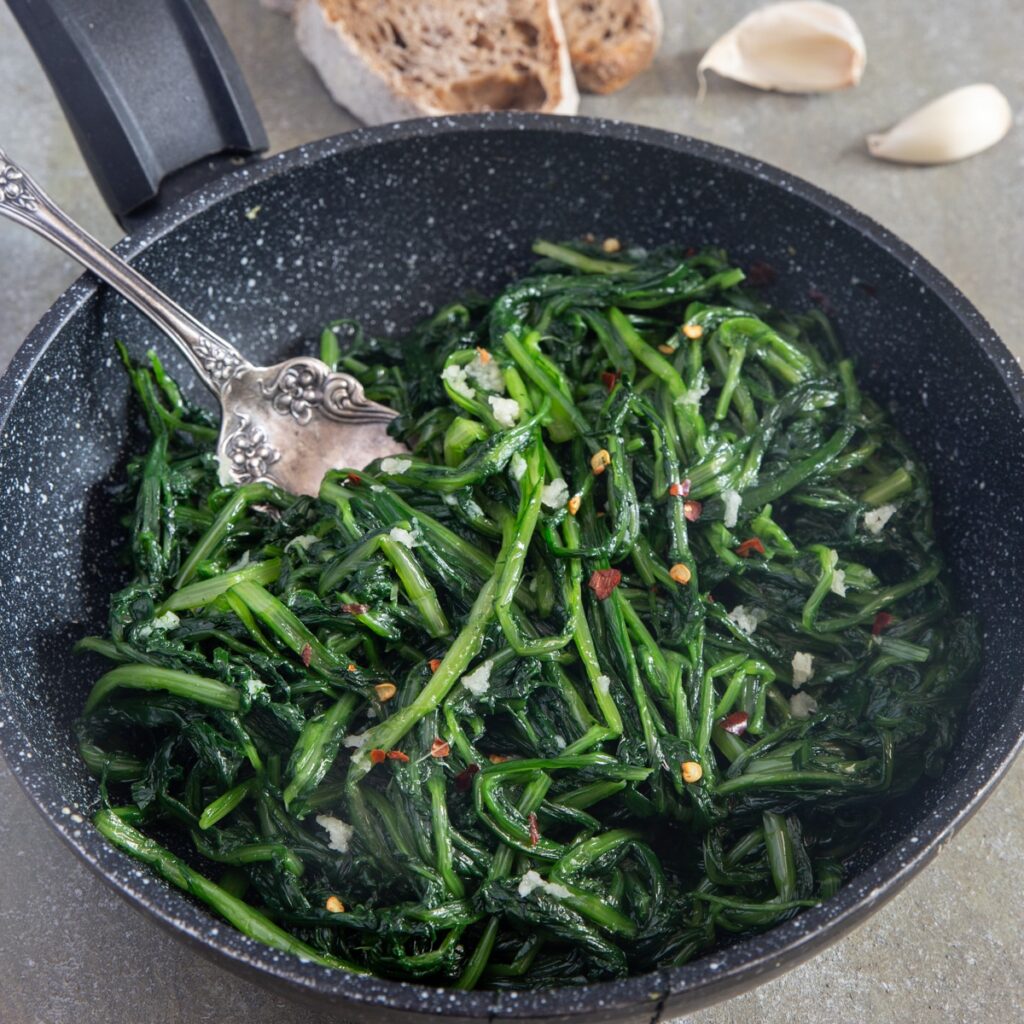
- Sautéing: Sautéing adds a nice crunch to kale, making it perfect as a side dish. Heat some oil in a pan over medium heat, add garlic and chopped kale, and cook for about 3-4 minutes until wilted.
Using Kale in Different Recipes
Here are some delicious ways to use kale in your cooking:
- Add Kale to Soups: Kale adds depth of flavor to soups like minestrone or creamy vegetable soups.
- Make Salad Dressing with Kale: Blend cooked kale into a salad dressing for an extra boost of nutrients.
Reducing Bitterness in Kale
Kale has a naturally bitter taste, but there are ways to minimize this. Here are some methods:
- Cooking Time: Cooking time affects the bitterness level of kale. If you cook it for too long, it can become very bitter.
- Adding acidic ingredients like lemon juice or vinegar helps reduce bitterness.
Preserving Kale
You can preserve kale in several ways to keep it fresh longer:
- Freezing: Blanching and freezing help retain nutrient content. Simply chop the kale, blanch it in boiling water for 30 seconds, then freeze it in airtight containers or freezer bags.
- Dehydrating: Dehydrate kale leaves using a food dehydrator or by placing them on a baking sheet lined with parchment paper and drying them in a low-temperature oven (150°F – 200°F).
- Pickling: Slice the kale thinly and soak it in a brine solution made with vinegar, salt, and spices.


