
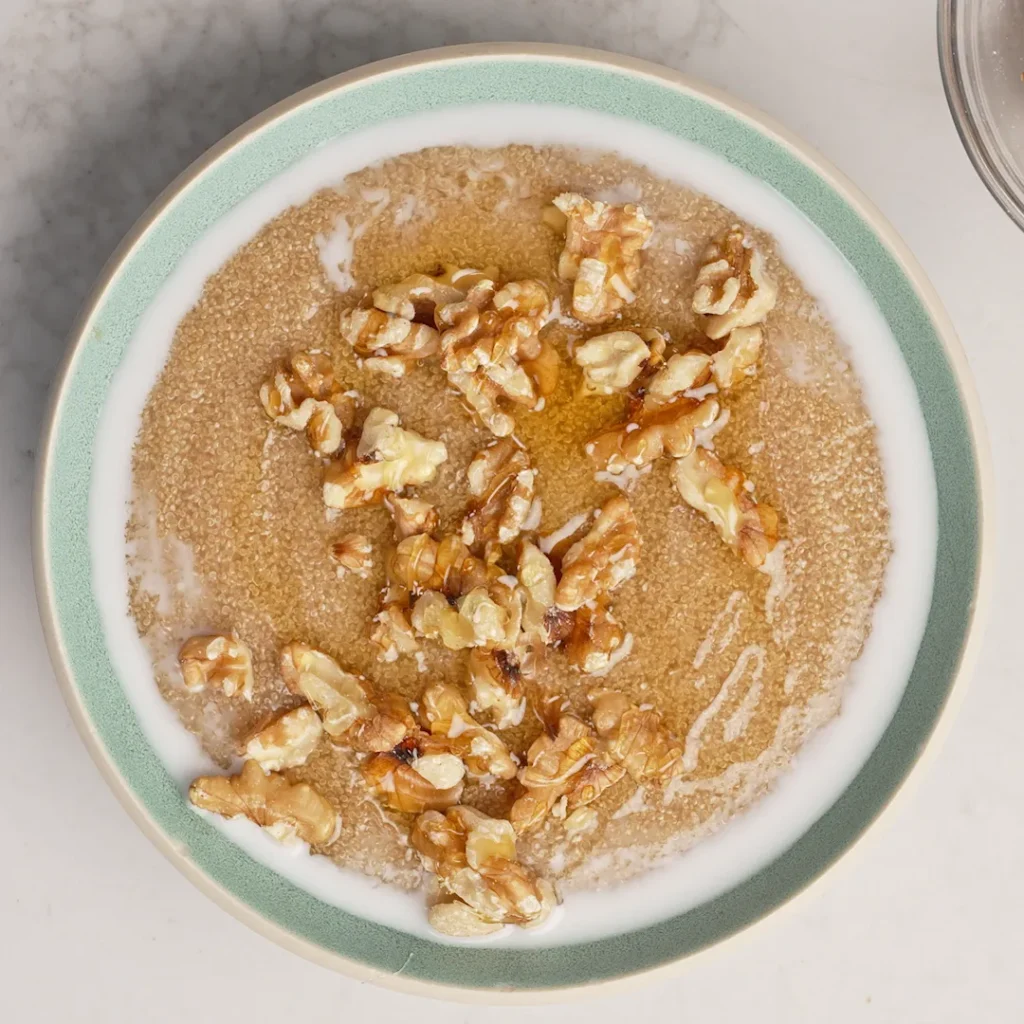
As a culinary enthusiast, you might be wondering what all the fuss is about amaranth. This ancient grain has been gaining popularity in recent years due to its nutritional benefits and versatility in cooking. In this article, we’ll delve into the world of amaranth and explore its uses, preparation methods, and recipes.
Understanding Amaranth
Amaranth is often referred to as a “false cereal,” but it’s actually a pseudocereal, meaning that it contains all three parts of the grain: bran, germ, and endosperm. This unique composition makes amaranth an excellent source of protein, fiber, and essential minerals like iron and magnesium.
History of Amaranth
Amaranth has been cultivated for thousands of years in various parts of the world, including South America, North Africa, and Asia. The Incas were particularly fond of amaranth, using it as a staple crop in their diet. Unfortunately, with the arrival of European colonizers, amaranth was banned in many countries due to its association with the Aztecs.
Nutritional Benefits
Amaranth is considered a superfood due to its incredible nutritional profile. It’s an excellent source of:
- Protein: Amaranth contains all nine essential amino acids, making it a complete protein.
- Fiber: The high fiber content in amaranth can help lower cholesterol levels and promote digestive health.
- Iron: Amaranth is rich in iron, which is essential for healthy red blood cells.
- Magnesium: This mineral plays a crucial role in muscle function, nerve function, and heart health.
Cooking Amaranth 101
The cooking process for amaranth is relatively simple. To start, rinse the grains thoroughly and cook them in water with a pinch of salt. The recommended ratio is 2 parts water to every part of amaranth. Cooking time varies depending on the method:
- Normal pot: 30 minutes
- Pressure cooker: 15-20 minutes
After cooking, allow the amaranth to “rest” for 10 minutes before mixing it with other ingredients.
Tips and Tricks
- Soaking amaranth can help soften its hard outer layer and make it easier to digest.
- Amaranth can be used in both sweet and savory dishes, so don’t be afraid to experiment with different recipes.
- To enhance the flavor of amaranth, try adding herbs and spices like cumin, coriander, or chili powder.
Using Amaranth Flour
Amaranth flour can be used as a substitute for wheat flour in baking. However, due to its absence of gluten, amaranth flour cannot be used as a 1:1 replacement. Mixing it with flours like farro or wheat will help create a more pliable dough.
Recipe 1: Crocchette di Patate e Amaranto (Potato and Amaranth Fritters)
Ingredients:
- 1 kg cooked potatoes
- 100g cheese, shredded (optional)
- 4 tablespoons amaranth
- 1 tablespoon amaranth flour
- 2 eggs
- Breadcrumbs
- Salt, pepper, and herbs to taste
Instructions:
- Cook the amaranth according to the guidelines above.
- Mix cooked potatoes, cheese (if using), amaranth, amaranth flour, eggs, breadcrumbs, salt, pepper, and herbs in a bowl.
- Form small patties and coat with additional breadcrumbs.
Recipe 2: Tamales di Amaranto (Amaranth Tamales)
Ingredients:
- 300g cooked amaranth
- 200g green tomatoes, diced
- Chilies to taste
- Onion, finely chopped
- Fresh coriander leaves
- Vegetable broth
- Salt and oil to taste
Instructions:
- Cook the amaranth according to the guidelines above.
- Blend cooked green tomatoes with vegetable broth and spices to create a filling.
- Rehydrate dried corn husks by soaking them in water for several hours or overnight.
- Fill each corn husk with a small amount of filling, then roll and secure with string.
Recipe 3: Amaranth Pudding
Ingredients:
- 100g amaranth
- 400ml milk
- 100g sugar
- 1/2 teaspoon vanilla extract
Instructions:
- Cook the amaranth according to the guidelines above.
- Mix cooked amaranth, milk, sugar, and vanilla extract in a saucepan.
- Heat over low heat until warm, then serve.
Conclusion
Amaranth is a versatile ingredient that can be used in various dishes, from savory tamales to sweet breads. By understanding how to cook amaranth and experimenting with different recipes, you’ll unlock the full potential of this ancient grain.
Frequently Asked Questions (FAQ)
- What are the benefits of consuming amaranth?
- Amaranth is a rich source of protein, fiber, iron, magnesium, and other essential minerals.
- Can I use amaranth flour as a substitute for wheat flour?
- Due to its absence of gluten, amaranth flour cannot be used as a direct replacement.
- How do I cook amaranth in the pressure cooker?
- Cooking time is 15-20 minutes, depending on your preference for texture.
With its incredible nutritional profile and culinary versatility, it’s no wonder that amaranth has become a popular ingredient in many cuisines. Whether you’re looking to try new recipes or simply want to incorporate more protein into your diet, amaranth is definitely worth exploring.


