
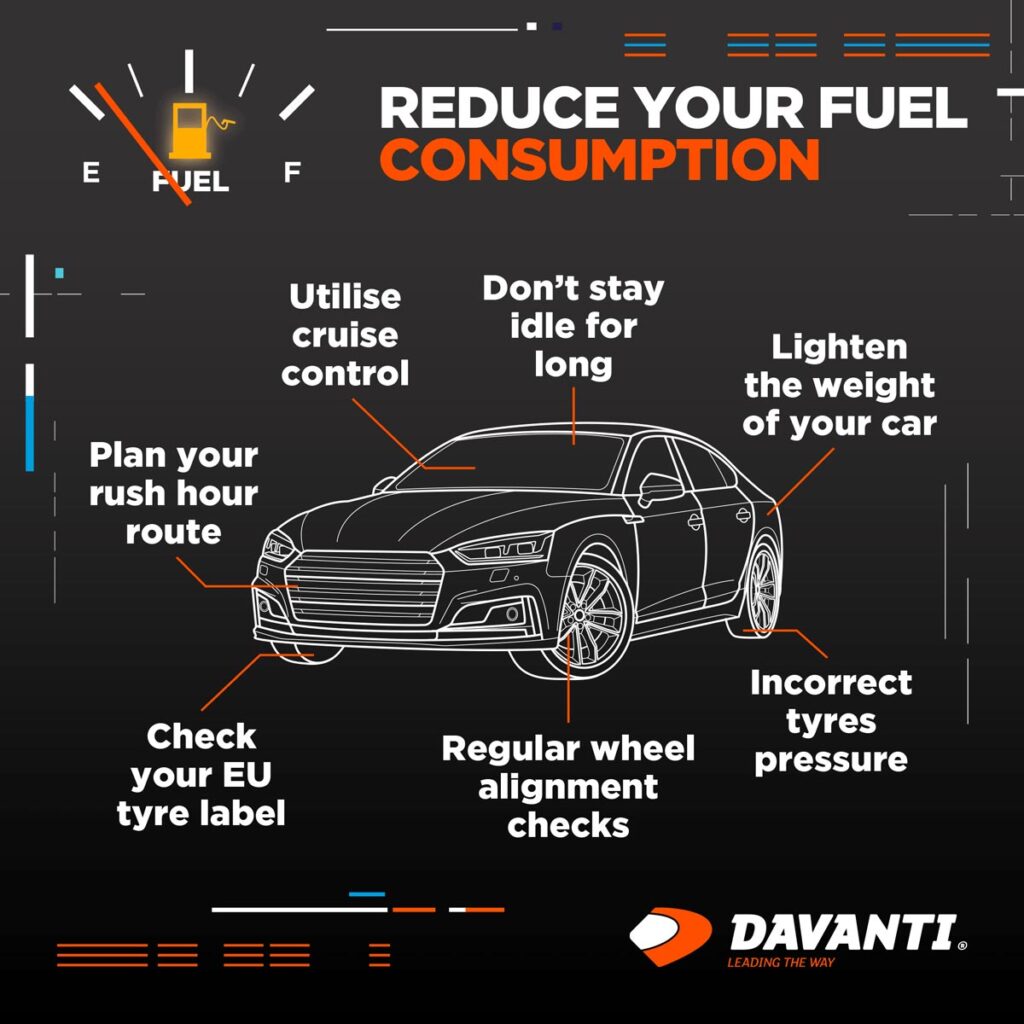
Are you tired of feeling like your car is guzzling gas? The truth is, it’s not about the type of fuel you use, but how well you can make the most out of it. With daily use for commuting, errands, and family runs, your car is an indispensable part of your life. However, there are some simple tricks to master that will help you squeeze a little more mileage out of every full tank.
Understanding Your Car’s Needs
First things first, it’s essential to understand what type of car you have and tailor its maintenance accordingly. For instance, if you have an older model with a smaller engine, it might not be the best option for short trips or urban commutes where fuel efficiency matters more than raw power.
Keeping Your Car in Top Shape
A well-maintained car is essential for optimal fuel consumption. Here are some quick tips to get you started:
- Regular washing: Give your car a good wash every week, paying extra attention to the tires and wheels. This will help prevent dirt buildup that can decrease fuel efficiency.
- Pneumatic pressure checks: Make sure your tire pressure is at the recommended level to avoid unnecessary wear and tear on your car’s engine. Properly inflated tires can improve fuel efficiency by up to 3%.
- Oil changes: Regular oil changes are crucial for maintaining optimal engine performance. A dirty engine can decrease fuel efficiency by as much as 20%, so make sure to change your oil every 5,000-7,500 miles.
- Air filter maintenance: A clean air filter is essential for ensuring proper airflow through the engine. Check and replace your air filter every 15,000-30,000 miles.
Choosing the Right Oil
The type of oil you use can significantly impact your car’s fuel efficiency. Synthetic oils with lower viscosity (e.g., 5W-30) tend to be more efficient than traditional oils, which have higher viscosities (e.g., 10W-40). However, it’s crucial to choose an oil that meets your specific vehicle model’s requirements.
Speed Management
You might already know that speed is a significant contributor to gas consumption. By maintaining a steady pace and avoiding sudden acceleration or braking, you can reduce your fuel costs over time. Here are some tips to help you manage your speed:
- Cruising at moderate speeds (around 60-70 mph) can improve fuel efficiency by up to 20%.
- Avoiding sudden acceleration from a standstill can save around 10% on gas.
- Using cruise control when driving on the highway can reduce fuel consumption by as much as 5%.
Reducing Idling Time
If you find yourself stuck in traffic or waiting for an extended period, it’s best to turn off the engine instead of letting it idle. Not only will this save you money on gas, but it’ll also reduce emissions and help protect the environment.
Here are some additional tips to reduce idling time:
- Plan your route in advance to minimize traffic congestion.
- Use a GPS app to find the most efficient route.
- Avoid driving during rush hour when possible.
- Keep an eye on traffic updates and adjust your schedule accordingly.
By following these simple tips, you can significantly improve your car’s fuel efficiency and save money on gas over time. Plus, reducing your carbon footprint is always a good idea!
Conclusion
Mastering the art of fuel-efficient driving takes practice, but with these quick tips, you’ll be well on your way to saving money and doing your part for the environment.
Frequently Asked Questions:
- How often should I wash my car?
- Regular washing is recommended every week to keep your car clean and reduce dirt buildup that can decrease fuel efficiency.
- What’s the best oil viscosity for my car?
- Check your owner’s manual or consult with a mechanic to determine the optimal oil viscosity for your specific vehicle model.
- How often should I check tire pressure?
- Regularly check and adjust your tire pressure at least once a month, as specified on the sidewall of your tires.
- Can synthetic oils really make a difference in fuel efficiency?
- Yes, synthetic oils with lower viscosity can improve fuel efficiency by reducing friction inside the engine.
- What’s the best way to reduce idling time?
- Turn off the engine and engage the parking brake when waiting for an extended period or stuck in traffic.
- How much money can I save by following these tips?
- By implementing these tips, you can potentially save a significant amount on fuel costs over time, but exact savings will vary depending on your driving habits and location.
- Are there any other ways to improve my car’s fuel efficiency beyond these tips?
- Yes, consider exploring alternative modes of transportation like public transit or biking for shorter trips, or optimizing your route planning using GPS apps.
- Can I use regular gasoline instead of synthetic oil in my car?
- While it might be cheaper, using regular gasoline can decrease fuel efficiency and potentially damage your engine over time, so consider the long-term benefits when making this decision.
By incorporating these tips into your daily driving routine, you’ll not only save money on gas but also contribute to a cleaner environment. Happy driving!


