
Understanding and Overcoming Work-Related Stress
The daily routine can lead to feelings of discouragement, apathy, and mental fatigue, which are collectively known as “symptoms of work-related stress.” However, when we talk about work-related stress, we’re referring to a specific type of stress that occurs in the workplace.
The Limitations of Non-Managerial Jobs
Non-managerial jobs often restrict employees from developing their full potential. This lack of autonomy can lead to frustration and feelings of being undervalued. Employees may feel like they’re just following orders without having any say in the direction of their work. This can be particularly challenging when it comes to making decisions and taking on new responsibilities.
The Root Causes of Work-Related Stress
In addition to a lack of autonomy, other factors contribute to work-related stress. These include:
- Insecurity and uncertainty about one’s job security
- The high level of unemployment, which can make it difficult for professionals to find stable employment
- The devaluation of education and qualifications
- The feeling of being undervalued or underappreciated
Why We Can’t Escape Work-Related Stress
In today’s economic climate, it’s unrealistic to expect that we can simply leave our jobs behind. However, it’s essential to recognize that work-related stress is a significant issue that affects us all.
Strategies for Managing Work-Related Stress
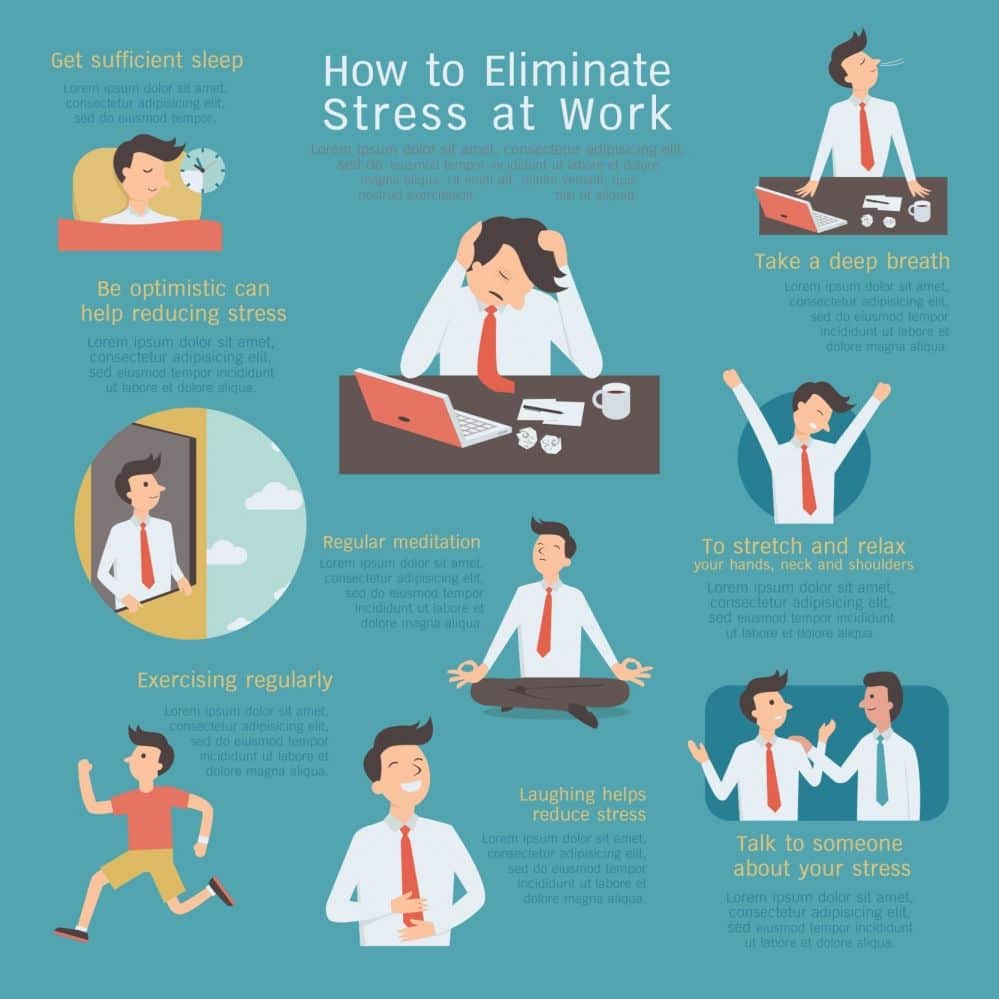
While there’s no magic solution for eliminating work-related stress, there are several strategies that can help:
- Take care of your physical health: Regular exercise, a balanced diet, and adequate sleep can help alleviate symptoms of anxiety and depression.
- Find ways to relax and de-stress: Engage in activities that bring you joy and help you unwind, such as hobbies, meditation, or spending time with loved ones.
- Seek support from colleagues and mentors: Building strong relationships with coworkers and mentors can provide emotional support and help you feel more connected to your work.
- Take calculated risks: Don’t be afraid to take on new challenges and pursue opportunities that align with your goals and values.
The Importance of Personal Growth
In order to manage work-related stress, it’s essential to prioritize personal growth and development. This includes:
- Identifying your strengths and weaknesses
- Setting achievable goals
- Developing a growth mindset
Personal growth is essential for managing work-related stress because it allows us to better understand ourselves and our place in the world. By identifying our strengths and weaknesses, we can focus on areas where we need improvement and develop strategies for overcoming them.
Building Resilience
Resilience is a critical component of managing work-related stress. It refers to an individual’s ability to bounce back from adversity and overcome challenges. Building resilience requires:
- Emotional intelligence: The ability to recognize and manage our emotions, as well as empathize with others.
- Positive thinking: A focus on the positive aspects of life and a willingness to reframe negative thoughts.
- Social support: Strong relationships with colleagues, mentors, and loved ones.
Strategies for Building Resilience
There are several strategies that can help build resilience:
- Practice mindfulness: Focus on the present moment and let go of worries about the past or future.
- Develop a growth mindset: View challenges as opportunities for growth and development.
- Cultivate gratitude: Reflect on the things you’re thankful for each day.
Conclusion
Work-related stress is a common issue that affects us all. However, by recognizing its causes and implementing strategies for managing it, we can improve our overall well-being and achieve greater success in our careers.
Frequently Asked Questions
- What are the most significant factors contributing to work-related stress?
- How can I prioritize my physical health to alleviate symptoms of anxiety and depression?
- What role do personal growth and development play in managing work-related stress?
- Can taking calculated risks help me feel more fulfilled in my career?
-
How can I build strong relationships with colleagues and mentors to support my well-being?
-
The most significant factors contributing to work-related stress include a lack of autonomy, insecurity and uncertainty about one’s job security, the high level of unemployment, and the devaluation of education and qualifications.
- To prioritize your physical health, engage in regular exercise, maintain a balanced diet, and ensure adequate sleep. You can also explore relaxation techniques such as meditation or yoga to help manage stress.
- Prioritizing personal growth and development is essential for managing work-related stress. This includes identifying your strengths and weaknesses, setting achievable goals, and adopting a growth mindset.
- Taking calculated risks can help you feel more fulfilled in your career by providing opportunities for growth and development.
- Building strong relationships with colleagues and mentors can provide emotional support and help you feel more connected to your work.
Additional Resources
If you’re struggling with work-related stress, there are several additional resources available:
- Mental health professionals: Trained therapists or counselors who can provide guidance and support.
- Employee assistance programs: Many companies offer EAPs that provide confidential counseling services.
- Support groups: Joining a group of people who share similar experiences can be incredibly helpful in managing stress.
Don’t hesitate to reach out for help when you need it. With the right strategies and resources, it’s possible to manage work-related stress and achieve greater success in your career.


