
Cleaning Glass Surfaces Without Leaving Residues
Having a clean and organized home, with sparkling glass surfaces, is the key to happiness for every woman. However, cleaning windows can be a daunting task, as dust, fingerprints, atmospheric pollutants, and smog make it difficult to achieve a satisfactory result. To make matters worse, many of these residues leave behind unsightly stains.
In this article, we will provide you with simple tips on how to take care of glass surfaces in your home without leaving any unwanted marks.
Contents
- The Best Time to Clean Windows
- Pre-Cleaning Operations
- Cleaning Glass Surfaces with Water and Acetone
- Cleaning Glass Surfaces with Lemon and Baking Soda
- Using Ammonia for Window Cleaning
- Using Marseille Soap for Window Cleaning
The Best Time to Clean Windows
It’s essential to choose the right time to clean your windows to achieve optimal results. Avoid cleaning on sunny days, as the heat can evaporate the water too quickly, leaving streaks and residue behind. Instead, opt for a cloudy day or late afternoon when the sun has already set.
Additionally, consider the weather conditions in your area before scheduling window cleaning sessions. If it’s going to rain soon after you clean the windows, it may be best to delay the task until the next sunny day.
Pre-Cleaning Operations
Before starting to clean, perform some preliminary tasks to ensure a successful outcome:
- Use lint-free cloths in cotton or microfiber for washing and drying.
- Remove any dust with a soft-bristled brush or a dry cloth.
- Wipe down door handles and frames with a damp cloth.
Now that you’ve prepared your tools, it’s time to get started!
Cleaning Glass Surfaces with Water and Acetone
If you prefer using natural and eco-friendly products, try mixing 100ml of acetone with 500ml of warm water. The mixture has a disinfectant and sudsing effect that effectively removes grime without rinsing.
You can also make it more convenient by filling a spray bottle with the solution and spraying it onto the glass surface.
When using this method, be sure to apply a gentle touch, as acetone can damage certain types of glass or leave streaks if not used carefully. Always test a small area first to ensure that the solution doesn’t affect the material.
Cleaning Glass Surfaces with Lemon and Baking Soda
Another excellent method is to combine 500ml of warm water, 3 tablespoons of lemon juice, and 1 tablespoon of baking soda. The acidity in lemons and the abrasive properties of baking soda help remove dirt and leave a streak-free finish.
You can also dilute the mixture by filling a spray bottle or using a lint-free cloth.
To use this method effectively, be sure to let the solution sit on the glass surface for about 10-15 minutes before wiping it down with a damp cloth. This allows the acidity in the lemon juice and baking soda to penetrate deep into the grime, making it easier to remove.
Using Ammonia for Window Cleaning
For tough stains like resin or grease, ammonia is an effective and potent solution. Mix a few drops with 500ml of warm water and apply it to the stained area using a soft cloth. Be sure to wear gloves to protect your hands from potential harm.
However, be cautious when using ammonia, as it can damage certain types of glass or leave streaks if not used carefully. Always test a small area first to ensure that the solution doesn’t affect the material.
Using Marseille Soap for Window Cleaning
Marseille soap is renowned for its delicate yet effective cleaning properties. Dissolve a small amount in 500ml of warm water, then dip a lint-free cloth into the solution and wring it out thoroughly.
Wipe down the glass surface multiple times to remove dirt and grime, leaving a sparkling finish.
The Secret to Removing Residues: Newspaper
Believe it or not, newspaper can be an effective remedy for removing residues from windows. Its textured paper soaks up spills and stains, while its ink helps eliminate any remaining marks. Simply spray the solution onto the glass surface, followed by a dampened newspaper sheet.
Gently rub the newspaper against the window to remove residue and streaks, leaving your windows clean and sparkling.
Another benefit of using newspaper for cleaning is that it’s environmentally friendly and cost-effective. You can reuse the newspaper multiple times before throwing it away, making it an excellent alternative to paper towels or disposable cloths.
Additional Tips for Cleaning Glass Surfaces
In addition to the methods mentioned earlier, here are some additional tips to keep in mind:
- Always clean windows from the top down to prevent drips and streaks.
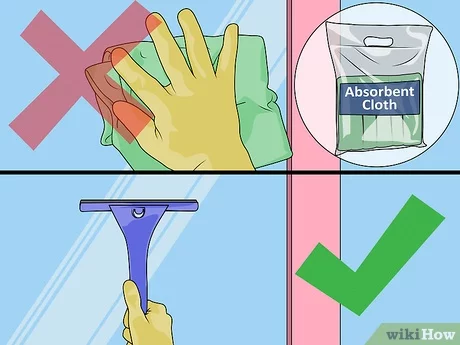
- Use a squeegee with a microfiber cloth or a lint-free cloth to remove excess water and prevent streaks.
- Dry the glass surface thoroughly after cleaning to prevent water spots and mineral deposits.
- Regularly cleaning your windows will help reduce dirt and grime buildup over time.
Cleaning windows may not be everyone’s favorite task, but with these simple tips and tricks, you’ll be well on your way to achieving crystal-clear glass surfaces that leave a lasting impression. From the research conducted in America, cleaning windows ranks among the top five household tasks that bring people joy and satisfaction.
Conclusion
In this article, we’ve explored various methods for cleaning glass surfaces without leaving residues behind. From using natural products like acetone and lemon juice to more traditional options like ammonia and Marseille soap, there’s a method to suit every need.
Remember to always choose the right time and tools for the job, and don’t be afraid to experiment with different techniques until you find what works best for you. By following these tips and staying consistent, you’ll be enjoying sparkling clean glass surfaces in no time!
Stay tuned for our related articles: How to Clean Wood


