
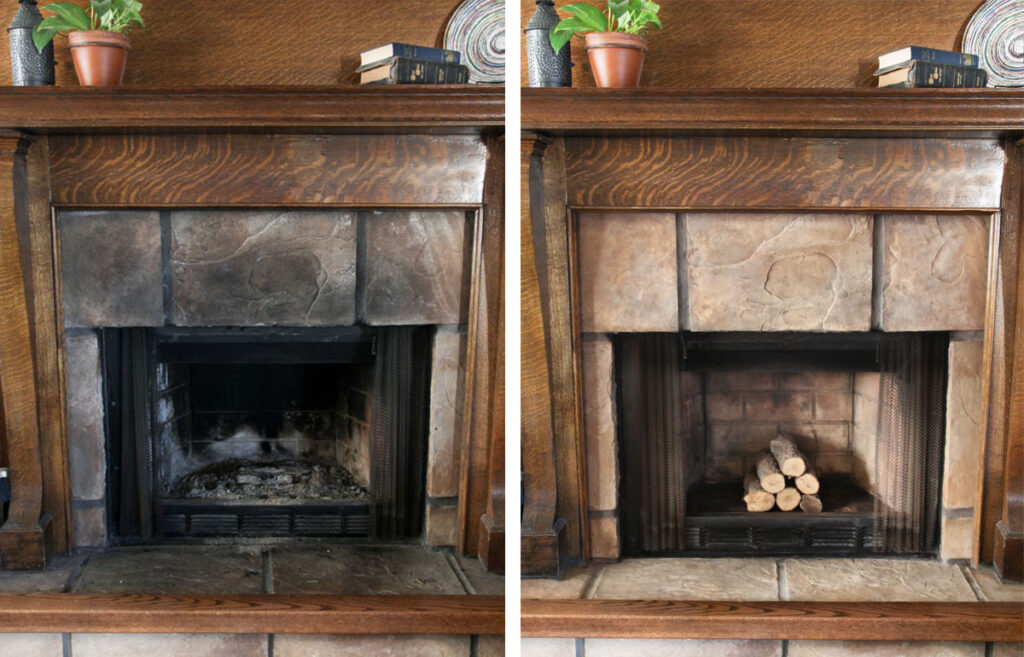
1. Importance of Cleaning Your Chimney
Maintaining your chimney is crucial for its optimal functioning and thermal efficiency. Regular cleaning helps remove soot, creosote, and other debris that can clog the flue and cause damage to your home. In this article, we’ll walk you through the process of cleaning your chimney, from removing ash and debris to cleaning the flue and smoke chamber.
The importance of regular cleaning cannot be overstated. A dirty chimney can lead to a range of problems, including:
- Reduced heating efficiency: A clogged chimney can reduce the efficiency of your heating system, leading to higher energy bills.
- Increased risk of chimney fires: Soot and creosote buildup in the chimney can ignite, causing a devastating fire that can damage your home and put you at risk.
- Premature wear on components: Debris and soot can cause premature wear on your chimney’s components, leading to costly repairs and replacements.
2. Removing Ash and Debris
To remove ash and debris, simply spread a handful of salt on the burning embers. This will reduce the amount of soot produced and make it easier to clean up. Use a shovel or broom to scoop out the ash, then use a brush or vacuum cleaner to remove any remaining debris.
It’s also important to note that you should never attempt to clean your chimney while it’s still in use. Wait until the fireplace has cooled completely before starting the cleaning process.
3. Using Ash as Compost
You can use your chimney ash to create nutrient-rich compost for your garden. Simply mix it with other organic materials and let it decompose. This is a great way to reduce waste and create a natural fertilizer.
To make the most of your chimney ash, consider using it in combination with other composting materials. For example, you can mix it with kitchen scraps, leaves, or grass clippings to create a nutrient-rich compost that will benefit your garden.
4. Dismantling Your Chimney
Before you start cleaning, make sure your chimney is cool and clear of debris. Remove any furniture or obstructions that may be blocking access to the flue. Use a ladder or scaffolding to reach the top of the chimney, and make sure it’s securely supported.
It’s also important to note that you should never attempt to climb up a dirty or damaged chimney without proper training and equipment. If you’re not comfortable with heights or unsure about how to proceed, consider hiring a professional chimney sweep to do the job for you.
5. Cleaning the Flue
To clean the flue, use a specialized kit with a flexible rod that can reach into tight spaces. Insert the rod into the flue and twist it gently to loosen any debris. Use a vacuum cleaner or broom to remove the dirt and debris.
When cleaning the flue, be sure to wear gloves and a dust mask to protect yourself from debris and soot. It’s also important to note that you should never use harsh chemicals or abrasive cleaners to clean your chimney, as these can damage the surfaces.
6. Cleaning the Smoke Chamber
The smoke chamber is where heat from your fireplace or wood stove accumulates, causing it to become dirty and sooty. To clean the smoke chamber, use a specialized brush that’s designed for this purpose. Insert the brush into the flue and twist it gently to loosen any debris.
When cleaning the smoke chamber, be sure to wear gloves and a dust mask to protect yourself from debris and soot. It’s also important to note that you should never attempt to clean your chimney while it’s still in use, as this can create a fire hazard.
7. Cleaning Metal Components
Metal components, such as the damper and flue caps, can accumulate dust and debris over time. Use a mild detergent and warm water to clean these components, then dry them thoroughly with a soft cloth.
When cleaning metal components, be sure to use a gentle touch and avoid using harsh chemicals or abrasive cleaners, which can damage the surfaces.
8. Cleaning Glass and Ceramic Components
Glass and ceramic components, such as the chimney pot and spark arrestor, can become dirty and sooty due to heat buildup. Use a specialized glass cleaner or ceramic cleaner to clean these components.
When cleaning glass and ceramic components, be sure to use a gentle touch and avoid using harsh chemicals or abrasive cleaners, which can damage the surfaces.
9. Dismantling and Reassembling Your Chimney
After cleaning your chimney, make sure to dismantle and reassemble it according to the manufacturer’s instructions. This will ensure that all connections are secure and functioning properly.
When dismantling and reassembling your chimney, be sure to follow proper safety precautions, including wearing gloves and a dust mask to protect yourself from debris and soot.
10. Tips for Avoiding Future Problems
To avoid future problems with your chimney, regularly inspect it for damage or wear and tear. Check for loose or damaged flues, cracks in the mortar, and any signs of pest or rodent infestation.
Some other tips for avoiding future problems include:
- Regularly cleaning and maintaining your chimney
- Keeping your chimney clear of debris and soot
- Inspecting your chimney’s components regularly
- Addressing any issues promptly
11. Natural Remedies for Cleaning Your Chimney
If you’re looking for natural remedies for cleaning your chimney, consider using a mixture of baking soda and water to remove soot and creosote. You can also use a homemade solution of equal parts white vinegar and water to clean metal components.
Some other natural remedies for cleaning your chimney include:
- Using a mixture of salt and water to clean the fireplace
- Applying a layer of beeswax or cooking oil to the flue caps to protect them from rust
12. Choosing the Right Cleaning Products
When choosing cleaning products for your chimney, make sure to select products that are specifically designed for this purpose. Avoid using harsh chemicals or abrasive cleaners that can damage your chimney’s surfaces.
Some other considerations when choosing cleaning products include:
- The type of fuel you burn
- The age and condition of your chimney
- Any specific safety concerns
13. How Often Should You Clean Your Chimney?
The frequency of cleaning your chimney depends on how often you use it and the type of fuel you burn. As a general rule, clean your chimney at least once a year to remove soot and creosote buildup.
Some other factors that may influence the frequency of cleaning include:
- The size of your chimney
- The number of users
- The type of fuel burned
14. Safety Precautions When Cleaning Your Chimney
When cleaning your chimney, make sure to follow proper safety precautions. Wear gloves and a dust mask to protect yourself from debris and soot, and use a ladder or scaffolding that’s securely supported.
Some other safety considerations include:
- Never attempting to clean your chimney while it’s still in use
- Using proper ventilation when working with cleaning products
- Following the manufacturer’s instructions for any chemicals or equipment used
15. Conclusion
Cleaning your chimney is an essential part of maintaining its optimal functioning and thermal efficiency. By following these steps and tips, you can keep your chimney clean and functional for years to come.
Remember to always follow proper safety precautions when cleaning your chimney, and consider hiring a professional if you’re unsure about how to proceed. With regular cleaning and maintenance, you can enjoy the benefits of a well-functioning chimney while minimizing the risks associated with soot and creosote buildup.
FAQs
- How often should I clean my chimney?
The frequency of cleaning your chimney depends on how often you use it and the type of fuel you burn. - What is the best way to remove soot from my chimney?
Use a mixture of baking soda and water or a homemade solution of equal parts white vinegar and water to remove soot. - Can I clean my chimney with harsh chemicals?
No, avoid using harsh chemicals or abrasive cleaners that can damage your chimney’s surfaces. - How do I know if my chimney needs cleaning?
Look for signs of soot buildup, creosote stains, or cracks in the mortar to determine if your chimney needs cleaning. - What is the most effective way to clean metal components in my chimney?
Use a mild detergent and warm water to clean metal components, then dry them thoroughly with a soft cloth. - Can I use a vacuum cleaner to clean my chimney?
Yes, use a vacuum cleaner with a hose attachment to remove debris from your chimney. - How do I choose the right cleaning products for my chimney?
Select products that are specifically designed for this purpose and follow the manufacturer’s instructions. - What is the best way to prevent future problems with my chimney?
Regularly inspect your chimney for damage or wear and tear, and take steps to address any issues promptly.


