
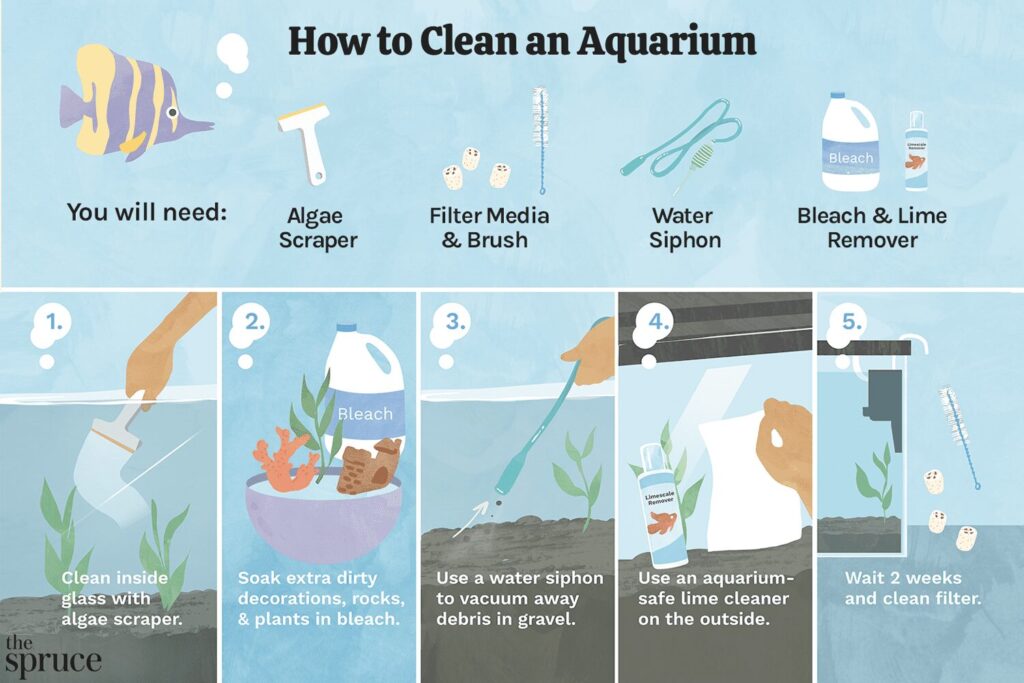
Cleaning the aquarium floor is a crucial part of maintaining your aquatic ecosystem. It’s essential to remove debris, waste, and algae that can harm your fish and other aquatic life. Neglecting this task can lead to water quality issues, reduced oxygen levels, and even the death of your beloved pets.
Why Clean the Aquarium Floor?
Cleaning the aquarium floor is not just a matter of aesthetics; it’s also essential for maintaining optimal water quality and ensuring the health and well-being of your aquatic animals. Here are some reasons why cleaning the aquarium floor is crucial:
- Prevents Water Quality Issues: Debris, waste, and algae can cloud the water, reducing visibility and making it difficult to detect problems with the aquarium’s filtration system.
- Maintains Oxygen Levels: A clean aquarium floor ensures that oxygen levels remain stable, which is essential for the survival of fish and other aquatic life.
- Reduces Bacterial Growth: Debris and waste can provide a food source for bacteria, which can lead to water quality issues and harm your aquatic animals.
- Promotes Healthy Aquatic Ecosystems: A clean aquarium floor helps create a balanced ecosystem where all living organisms can thrive.
The Importance of Proper Cleaning Techniques
When it comes to cleaning the aquarium floor, there are several techniques and tools available. However, some methods can be more effective than others, especially when it comes to avoiding damage to the substrate or other decorations.
In this article, we’ll explore the best practices for cleaning your aquarium floor using a siphon and provide tips on how to avoid common mistakes.
The Benefits of Using a Siphon
A siphon is an essential tool for removing debris from the aquarium floor. There are different types of siphons available, including manual, electric, and battery-powered models. The benefits of using a siphon include:
- Effective Removal of Debris: A siphon can remove debris and waste efficiently, ensuring that your aquatic animals have a healthy environment to thrive in.
- Easy to Use: Most siphons are designed for easy use, making it simple to clean the aquarium floor without having to struggle with stubborn debris.
- Versatile: Siphons can be used in conjunction with other cleaning tools to ensure that your aquarium is thoroughly cleaned and maintained.
Choosing the Right Siphon
When selecting a siphon, consider the following factors:
- Power Source: Manual, electric, or battery-powered? Choose a power source that suits your needs and provides sufficient power for effective cleaning.
- Flow Rate: Do you need a high-flow siphon for larger aquariums? Consider the flow rate required to ensure efficient cleaning of debris and waste.
- Durability: Will the siphon withstand regular use? Choose a durable siphon that can handle frequent use without breaking or malfunctioning.
Step-by-Step Guide to Cleaning the Aquarium Floor
Here’s a step-by-step guide to cleaning your aquarium floor using a siphon:
- Position the Siphon: Place the siphon at the bottom of the tank, about 2-3 inches away from the gravel or substrate.
- Connect the Cannula: Attach the cannula to the end of the siphon and position it at least an inch above the substrate.
- Siphon Debris: Slowly start pumping air into the siphon, allowing the debris to be drawn up into the hose.
- Rinse the Cannula: Regularly rinse the cannula with water to ensure effective removal of debris and waste.
Tips for Effective Cleaning
To get the most out of your cleaning session, follow these tips:
- Rinsate the Gravel Before Rastrellating it: Rinsing the gravel before passing the siphon hose can help prevent clogging and ensure efficient cleaning.
- Use a Gentle Flow Rate: Use a gentle flow rate to avoid disturbing the substrate or other decorations.
- Regularly Clean the Siphon and Cannula: Regularly clean the siphon and cannula to ensure optimal performance.
Common Mistakes to Avoid
When cleaning your aquarium floor, be aware of the following common mistakes:
- Not Using a Siphon: Not using a siphon can lead to poor water quality and reduced oxygen levels.
- Using Too Much Force: Using too much force can damage the substrate or other decorations.
- Not Rinsing the Cannula Regularly: Not rinsing the cannula regularly can reduce the effectiveness of the cleaning process.
Conclusion
Cleaning your aquarium floor is an essential part of maintaining a healthy aquatic ecosystem. By using the right tools and techniques, you can ensure effective removal of debris, waste, and algae that can harm your fish and other aquatic life. Remember to avoid common mistakes and take regular steps to maintain optimal water quality.
Frequently Asked Questions
- What is the best way to clean a clogged siphon? Use a mixture of baking soda and vinegar to dissolve any blockages.
- Can I use a regular vacuum cleaner to clean my aquarium floor? No, regular vacuum cleaners can create too much suction, damaging the substrate or other decorations.
- How often should I clean my aquarium floor? Aim to clean your aquarium floor at least once a week, or more frequently if you have a large tank or many fish.
- What is the best type of siphon for my aquarium? Consider the size and power requirements of your tank, as well as any specific needs you may have (e.g., automatic or battery-powered).
- Can I use a siphon to clean other areas of my aquarium? Yes, a siphon can be used to clean other areas of your aquarium, such as the glass walls or decorations.
- How do I store and maintain my siphon? Regularly rinse and dry the siphon with water to prevent bacterial growth. Store it in a cool, dry place away from direct sunlight.
- Can I use a siphon with gloves on? Yes, most siphons are designed for use with gloves, but make sure to follow the manufacturer’s instructions and take regular breaks to avoid fatigue.
By following these tips and techniques, you can keep your aquarium floor clean and healthy, ensuring optimal water quality for your fish and other aquatic life.


