
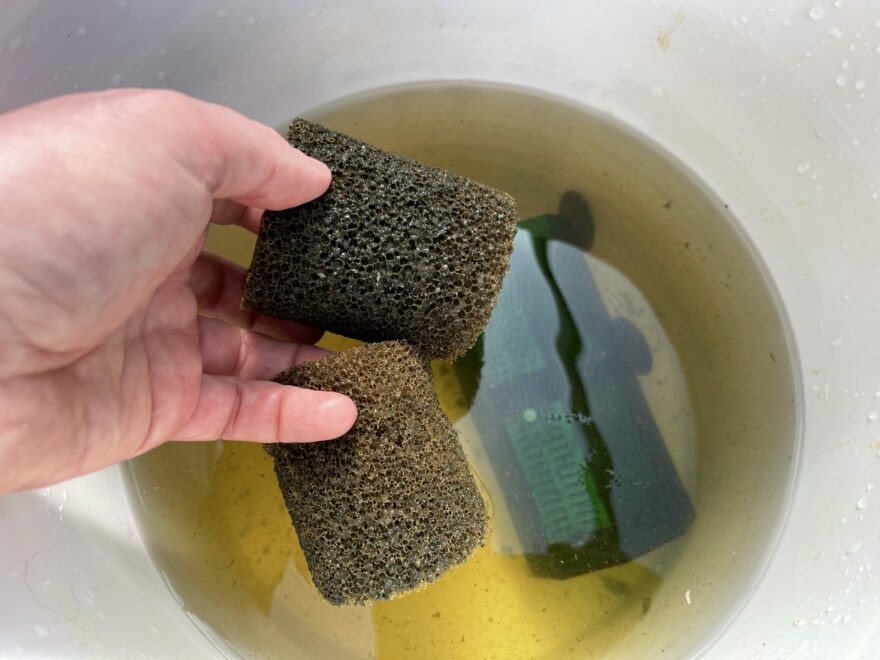
As a responsible aquarium owner, it’s essential to understand the importance of cleaning your filter regularly. A clean filter ensures that your fish receive clean and healthy water, which is vital for their survival. In this article, we’ll explore the different types of filters, how to choose the right one for you, and provide step-by-step instructions on how to clean various types of aquarium filters.
Why Clean Your Filter?
Your filter plays a crucial role in maintaining the water quality in your aquarium. It removes waste products from your fish’s metabolism, such as ammonia and nitrite, which can be toxic to them if left unchecked. A clogged or dirty filter can lead to water quality issues, causing stress and illness in your fish.
Choosing the Right Filter
When selecting a filter for your aquarium, consider the following factors:
- Type of filter: mechanical, chemical, or biological
- Size of your tank: make sure the filter is designed for your tank’s capacity
- Fish type: choose a filter that suits the needs of your fish species
Types of Filters
1. Mechanical Filters
Mechanical filters use physical barriers to remove waste products from the water. They are suitable for small to medium-sized tanks.
Cleaning a Mechanical Filter
To clean a mechanical filter, follow these steps:
- Remove the filter and wash it with aquarium water.
- Replace the filter media, such as sponge or foam, according to the manufacturer’s instructions.
- Rinse the filter thoroughly before reassembling it in your tank.
Mechanical filters are suitable for small to medium-sized tanks. They use physical barriers to remove waste products from the water and are a popular choice among aquarium owners. However, they can be prone to clogging if not cleaned regularly.
Popular Mechanical Filter Types
- Sponge filter: uses a sponge as the filter media.
- Foam filter: uses foam as the filter media.
- Bio-mechanical filter: combines both mechanical and biological filtration methods.
2. Chemical Filters
Chemical filters use chemicals to break down waste products in the water. They are suitable for small tanks and are often used in combination with mechanical filters.
Cleaning a Chemical Filter
To clean a chemical filter, follow these steps:
- Replace the carbon or other media according to the manufacturer’s instructions.
- Flush the filter with aquarium water to remove any debris.
- Rinse the filter thoroughly before reassembling it in your tank.
Chemical filters use chemicals to break down waste products in the water. They are a popular choice among aquarium owners who want to keep their tanks small and low-maintenance. However, they can be prone to over-chemicalization if not used properly.
Popular Chemical Filter Types
- Activated carbon filter: uses activated carbon as the filter media.
- Distillation filter: uses distillation to remove impurities from the water.
- Reverse osmosis filter: uses reverse osmosis to remove impurities from the water.
3. Biological Filters
Biological filters use beneficial bacteria to break down waste products in the water. They are suitable for large tanks and are often used as a standalone filter or in combination with mechanical filters.
Cleaning a Biological Filter
To clean a biological filter, follow these steps:
- Avoid cleaning the filter media, as this can disrupt the beneficial bacteria.
- Replace the filter media according to the manufacturer’s instructions.
- Rinse the filter thoroughly before reassembling it in your tank.
Biological filters use beneficial bacteria to break down waste products in the water. They are a popular choice among aquarium owners who want to keep their tanks large and healthy. However, they can be prone to overgrowth if not used properly.
Popular Biological Filter Types
- Bio-ball filter: uses bio-balls as the filter media.
- Ceramic ring filter: uses ceramic rings as the filter media.
- Canister filter: uses a canister as the filter housing.
Maintaining Your Filter
Regular maintenance is essential to keep your filter running efficiently. Here are some tips:
- Regularly check and clean the filter to prevent clogs and blockages.
- Replace filter media according to the manufacturer’s instructions.
- Monitor water quality parameters, such as pH and ammonia levels, to ensure they remain within safe ranges for your fish.
By following these maintenance tips, you’ll be able to keep your filter running efficiently and effectively. Remember to always prioritize your fish’s health and safety when maintaining their aquatic environment.
Frequently Asked Questions (FAQs)
1. How often should I clean my aquarium filter?
The frequency of cleaning your aquarium filter depends on several factors, including the size of your tank, fish population, and water quality. As a general rule, you should clean your filter every 2-4 weeks.
2. Can I use tap water to clean my filter?
No, it’s not recommended to use tap water to clean your aquarium filter. Tap water can contain high levels of chlorine and other chemicals that can harm your fish or disrupt the beneficial bacteria in your filter.
Instead, use aquarium water or a water conditioner specifically designed for cleaning filters. This will help maintain the health and safety of your fish.
3. How do I know when to replace my filter media?
Replace your filter media according to the manufacturer’s instructions, usually every 2-6 months depending on usage.
Signs that it’s time to replace your filter media include:
- High levels of waste products in the water
- Cloudy or dirty water
- Fish showing signs of stress or illness
By following these guidelines, you’ll be able to determine when to replace your filter media and keep your tank running smoothly.
4. Can I clean my aquarium filter with vinegar?
No, it’s not recommended to use vinegar to clean your aquarium filter. Vinegar can disrupt the beneficial bacteria in your filter and harm your fish.
Instead, use a water conditioner specifically designed for cleaning filters or aquarium water. This will help maintain the health and safety of your fish.
5. How do I prevent clogs and blockages in my aquarium filter?
Regularly check and clean your filter to prevent clogs and blockages. Also, ensure that your fish are not overfeeding, as this can lead to waste buildup in the tank.
By following these tips, you’ll be able to keep your filter running efficiently and effectively. Remember to always prioritize your fish’s health and safety when maintaining their aquatic environment.
Conclusion
Cleaning your aquarium filter is an essential part of maintaining a healthy and thriving underwater ecosystem. By understanding the different types of filters and how to choose the right one for you, you’ll be able to keep your tank running smoothly and effectively.
Remember to always prioritize your fish’s health and safety when maintaining their aquatic environment. Regularly clean and maintain your filter to prevent clogs and blockages, and ensure that your water quality parameters remain within safe ranges.
By following these guidelines, you’ll be able to enjoy a thriving and healthy underwater ecosystem for years to come.


