
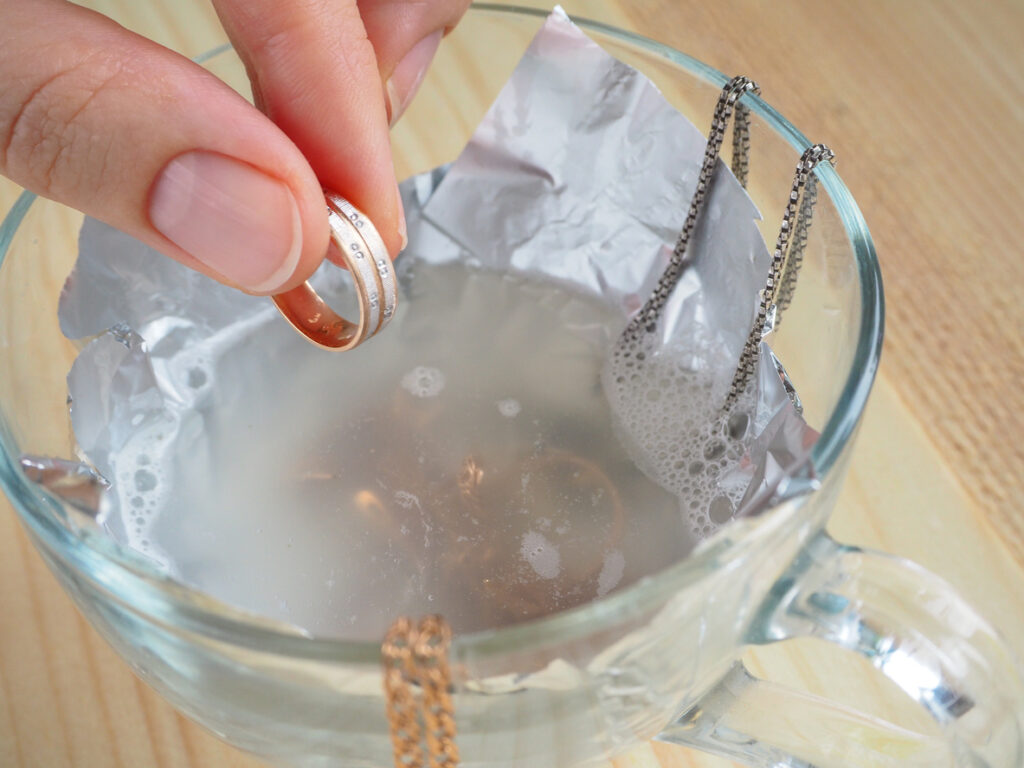
As we welcome the arrival of spring, many of us take the time to clean and maintain our silverware. But did you know that there’s a simple and effective way to polish your silver without using harsh chemicals or expensive commercial products? Enter baking soda, a natural and eco-friendly solution that can help restore your silver to its former glory.
What is Baking Soda and Why is it Good for Cleaning Silver?
Baking soda, also known as sodium bicarbonate (NaHCO3), is a household staple with many surprising uses. It’s not only a great natural remedy for digestive issues, but it also has antibacterial and antacidal properties, making it an excellent cleaning agent. When combined with water and applied to silver, baking soda reacts with the metal to form a protective layer that removes tarnish and grime.
The reasons why baking soda is so effective for cleaning silver are multifaceted:
- pH Balance: Baking soda has a slightly alkaline pH, which helps neutralize the acidic conditions that contribute to tarnish and corrosion on silver.
- Oxidation Reaction: When baking soda comes into contact with silver, it triggers an oxidation reaction that breaks down the tarnish and grime, leaving the metal surface clean and shiny.
- Absorbency: Baking soda is highly absorbent, which makes it excellent at soaking up moisture and oils from the air, helping to prevent further tarnish buildup.
Why is Traditional Silver Polish Not Enough?
Many commercial silver polishes contain harsh chemicals like ammonia or chlorides, which can damage your silverware over time. These products may provide temporary results but often leave behind residues that attract dust and dirt. In contrast, using baking soda to clean and polish silver is a gentle, non-toxic method that won’t harm your delicate items.
Some common issues with traditional silver polishes include:
- Residue Buildup: Many commercial polishes contain chemicals that can leave behind residues on the metal surface, attracting dust and dirt.
- Damage to Silver Finishing: Some polishes can damage the silver finishing or patina, causing discoloration or pitting.
- Environmental Concerns: Harsh chemicals in traditional polishes can harm the environment and contribute to water pollution.
What You’ll Need to Get Started
To clean and polish your silver with baking soda, you’ll need the following:
- A container large enough to hold the item(s) you want to clean
- Aluminum foil (enough to line the container)
- Baking soda
- Water
- Optional: a soft cloth or paper towel for drying
The Steps to Clean and Polish Silver with Baking Soda
- Prepare Your Container: Line your container with aluminum foil, making sure it’s large enough to hold the item(s) you want to clean.
- Create the Solution: Mix 1 tablespoon of baking soda with 1 liter of hot water in the container. Add a pinch of salt (optional).
- Soak Your Item: Submerge the silver item in the solution and let it soak for about an hour.
- Rinse and Dry: Rinse the item thoroughly with warm water, then dry it with a soft cloth or paper towel.
Why Foding the Container with Aluminum Foil Matters
By lining your container with aluminum foil, you create a conductive environment that enhances the reaction between baking soda and silver. This method allows for more efficient removal of tarnish and grime from the metal surface.
The aluminum foil also helps to:
- Conduct Heat: The foil can help distribute heat evenly, ensuring that the solution is hot enough to effectively clean and polish the silver.
- Absorb Moisture: The foil can absorb excess moisture from the air, reducing the risk of water spots or mineral deposits on the metal surface.
Tips and Variations
- For tougher tarnish or grime buildup, let the item soak in the solution for several hours or overnight.
- Experiment with different ratios of baking soda to water to find the optimal combination for your specific silver items.
- Consider using this method on other metallic surfaces like copper, bronze, or brass.
Common Mistakes to Avoid
When cleaning and polishing silver with baking soda, there are a few common mistakes to avoid:
- Using Too Much Baking Soda: Using too much baking soda can create an overly alkaline solution, which can damage the metal surface.
- Not Rinsing Thoroughly: Failing to rinse the item thoroughly can leave behind residue or salt deposits on the metal surface.
- Using the Method on Sensitive Materials: Be cautious when using this method on sensitive materials like antique or vintage silver pieces, as they may require specialized cleaning solutions.
Conclusion
Cleaning and polishing silver doesn’t have to be a daunting task. With baking soda as your natural and eco-friendly ally, you can restore your silverware to its former shine without exposing it to harsh chemicals or expensive commercial products. Try this simple method today and enjoy the satisfaction of knowing you’re taking care of your belongings in a sustainable way.
Frequently Asked Questions
Q: Is baking soda safe for all types of silver?
A: Yes, but be cautious when using it on sterling silver or silver-plated items, as they can react with the acidity in some formulas. Always test a small area first to ensure compatibility.
Q: Can I use this method on antique or vintage silver pieces?
A: While baking soda is generally safe for most silver items, it’s best to exercise caution when cleaning and polishing delicate or antique pieces. Consider consulting a professional conservator or using a specialized cleaning solution specifically designed for these types of items.
Q: How often should I clean and polish my silverware with this method?
A: Regularly cleaning and polishing your silverware can help maintain its shine and prevent tarnish buildup. Aim to do this every 1-3 months, depending on usage and environmental conditions.
Q: Can I mix baking soda with other natural cleaners or products?
A: While baking soda is a versatile ingredient, it’s best used in its pure form for cleaning and polishing silver. Mixing it with other substances can lead to unpredictable reactions or reduced effectiveness.
Q: Is this method suitable for removing stubborn tarnish or grime buildup?
A: For more severe cases of tarnish or grime buildup, consider repeating the soaking process several times or using a combination of baking soda and lemon juice (diluted 1 part lemon juice to 2 parts water).
Q: Can I store my cleaned and polished silver items in the same container?
A: Yes, but make sure the container is clean and dry before storing your silverware. You can also consider storing them individually in airtight containers or pouches to maintain their shine.
Q: Are there any specific precautions I should take when using baking soda on my silver items?
A: Always wear gloves and protective eyewear when handling baking soda, as it can be abrasive and cause skin irritation. Be cautious not to inhale the powder, and avoid getting it in your eyes or mouth.


