
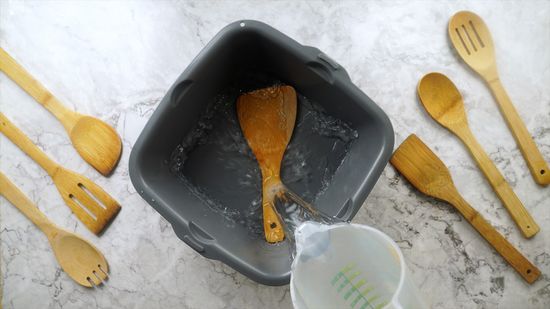
When it comes to cleaning our kitchen utensils, we often reach for harsh chemical-based detergents that can strip our skin of its natural oils and cause irritation. But what if I told you there’s a more effective, eco-friendly way to clean your kitchen essentials? That’s right – using everyday ingredients!
The Problem with Traditional Detergents
Traditional detergents are filled with artificial substances that can make our skin more sensitive and increase the risk of dermatitis and allergies. The good news is that you don’t need industrial-grade cleaners to keep your utensils clean. With a little creativity, you can harness the power of natural ingredients to get the job done.
The Benefits of Natural Cleaning
So, what are the benefits of using natural cleaning methods?
- Cost-effective: You likely already have these ingredients in your pantry.
- Efficient: They’re just as effective as commercial cleaners at eliminating grease, bacteria, and grime.
- Environmentally friendly: No harsh chemicals mean less waste and a smaller carbon footprint.
- Safe for families: Even the most curious kids can join in on the cleaning fun without worrying about toxic substances.
The Magic Ingredients
Now that we’ve covered the benefits, let’s take a look at some of the everyday ingredients you can use to clean your kitchen utensils:
- Bicarbonate of soda
- Lemons
- Potatoes
- Vinegar
- Alcohol (for disinfecting)
These might seem like random items, but trust me – they’re all winners when it comes to cleaning your kitchen essentials!
Solving the Grease Problem
First up: removing grease from pans. You’ll need:
- 1 medium-sized potato
- 1 tablespoon of bicarbonate of soda
Grate the potato and sprinkle the bicarbonate of soda on top. Rub the mixture onto the greasy pan, then rinse with warm water. The result? A shiny, grease-free surface!
Disinfecting with Alchemy
Time to talk about disinfecting! For this task, you’ll need:
- 1 cup of alcohol (or a mix of vodka and other high-alcohol drinks)
- A spray bottle
Spray the solution onto surfaces that need a good cleaning, let it sit for a minute or two, then wipe clean. Voilà – your kitchen utensils are now sparkling clean!
Getting Rid of Food Residue
Last but not least: removing food residue from pots and pans. For this, you’ll need:
- 1 tablespoon of baking soda (or 1 teaspoon of white vinegar)
- A sponge or cloth
Mix the baking soda with a little water to form a paste. Apply it to the affected area, scrub with your sponge or cloth, then rinse clean.
Natural Cleaning Hacks
Want to take your natural cleaning game to the next level? Try these fun and effective hacks:
- Cleaning with lemon juice and salt: Mix equal parts lemon juice and salt to create a paste that’s perfect for scrubbing away tough stains.
- Using vinegar as a degreaser: Vinegar is an excellent degreaser – simply spray it onto the surface, let it sit for a minute or two, then wipe clean!
- Making a homemade all-purpose cleaner: Mix equal parts water and white vinegar in a spray bottle. Add some baking soda and you’ve got a versatile cleaning solution!
Conclusion
With these easy-to-use natural ingredients, you can say goodbye to harsh chemical-based cleaners and hello to a cleaner, greener kitchen! So next time you’re faced with a greasy pan or dirty utensil, don’t reach for the commercial stuff – try something new!
Frequently Asked Questions:
- What’s the best way to clean a clogged drain?
- Baking soda and vinegar are great natural drain cleaners!
- Can I use lemon juice as a disinfectant?
- Yes, it has antibacterial properties that can help kill germs.
- How often should I replace my cutting board?
- Replace your cutting board every 1-2 years or sooner if you notice signs of wear and tear!
- Are natural cleaning methods effective for tougher stains?
- Some natural cleaning methods, like baking soda and vinegar, can be quite effective at removing tough stains.
- Can I use a natural disinfectant to clean my surfaces during flu season?
- Yes! Vinegar is a great natural disinfectant that’s perfect for fighting off germs.
By the way, want more tips on how to keep your kitchen running smoothly?
Kitchen Utensil Care: Tips and Tricks
Keeping your kitchen utensils in top condition can make all the difference when it comes to cooking. Here are some valuable tips and tricks to help you get the most out of your gear:
- Clean as you go: Try to wipe down surfaces immediately after use, especially if they’re prone to splatters or spills.
- Dry thoroughly: Make sure your utensils are completely dry before storing them away. Moisture can lead to rust and corrosion!
- Avoid harsh chemicals: Just like with cleaning solutions, avoid using harsh chemicals on your kitchen utensils. They can damage the finish or harm the materials.
- Store properly: Store your utensils in a cool, dry place, away from direct sunlight and moisture.
The Future of Cleaning
As we move forward into an increasingly eco-conscious future, it’s more important than ever to prioritize natural cleaning methods. Here are some exciting developments on the horizon:
- Sustainable cleaning products: Companies are starting to create sustainable cleaning products that use natural ingredients and minimize waste.
- Eco-friendly packaging: Many manufacturers are switching to biodegradable or recyclable packaging for their cleaning supplies.
- Natural cleaning tutorials: Online platforms are popping up with tutorials and guides on how to make your own natural cleaning solutions.
Stay tuned for more updates from the world of natural cleaning!


