
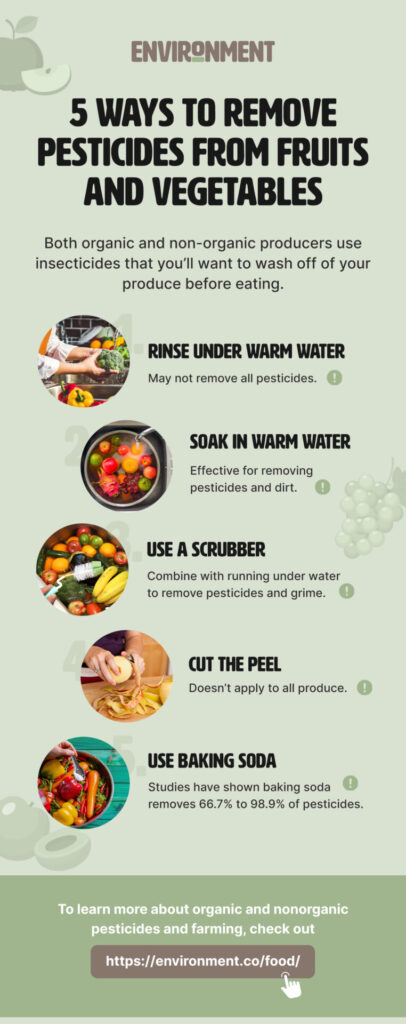
As we eat fresh fruits and vegetables, it’s essential to know that they may contain traces of pesticides and bacteria that can harm our health. Before consuming them, it’s crucial to properly clean and disinfect these foods.
The Importance of Cleaning Fresh Produce
Fresh produce, especially if not from organic farming, receives a significant amount of pesticides during the cultivation process. Additionally, they are exposed to dirt and animal feces, making it vital to clean and disinfect them before consumption.
In this article, we’ll explore natural remedies to clean fresh fruits and vegetables, ensuring you can enjoy these essential foods while minimizing the risk of pesticide exposure.
Why Not to Wash Fruits and Vegetables Before Storage
It’s recommended not to wash fruits and vegetables before storing them, as this can cause bacterial growth. Excess moisture creates a perfect environment for bacteria and microorganisms to thrive.
Natural Remedies to Clean Fresh Fruits and Vegetables
1. Bicarbonate of Soda
Before using bicarbonate of soda, immerse the produce in water to remove dirt. Next, mix one tablespoon of bicarbonate with one liter of water to create a disinfectant solution. Soak the fruits and vegetables for a few minutes, then scrub thoroughly to eliminate bacteria.
Rinse under running water after treatment.
Bicarbonate of soda is a natural mineral that has been used for centuries as a cleaning agent. It’s effective against many types of bacteria, including E. coli and Salmonella. Simply sprinkle some bicarbonate of soda onto the produce, mix it with water to create a solution, and soak for a few minutes before rinsing.
2. Apple Cider Vinegar
Apple cider vinegar is another effective natural remedy against pesticides and bacteria. Dilute one cup of apple cider vinegar with one liter of water and use it to wash the produce.
Apple cider vinegar has antibacterial properties that can help eliminate many types of bacteria, including those that cause foodborne illnesses. Simply mix equal parts apple cider vinegar and water in a spray bottle, and use it to wash your fruits and vegetables before consumption.
3. Lemon and Apple Cider Vinegar
Combine lemon juice, two tablespoons of white vinegar, and one tablespoon of water in a bottle with a nebulizer. Stir well and spray the solution onto the fruits and vegetables before consumption.
Lemons are a natural disinfectant that can help eliminate bacteria and other microorganisms from produce. Mixing it with apple cider vinegar creates an even more effective cleaning agent.
4. Pomegranate Extract and Bicarbonate of Soda
Mix 20 drops of pomegranate extract, one tablespoon of bicarbonate of soda, one cup of apple cider vinegar, and one cup of water. Dilute everything thoroughly and pour the mixture into a bottle with a nebulizer to spray onto fruits and vegetables.
Pomegranates are rich in antioxidants and have antibacterial properties that can help eliminate many types of bacteria from produce. Mixing it with bicarbonate of soda creates an even more effective cleaning agent.
5. Salt and Apple Cider Vinegar
For a simple yet effective method, mix half a cup of salt, one cup of apple cider vinegar, and enough water to fill a container. Soak the produce in this solution for 20 minutes.
Salt is a natural disinfectant that can help eliminate bacteria and other microorganisms from produce. Mixing it with apple cider vinegar creates an even more effective cleaning agent.
Additional Tips
While natural remedies are effective, there’s no substitute for choosing organic produce whenever possible. If you do choose conventionally grown fruits and vegetables, simply rinse them under running water to remove dirt and pesticide residues.
Here are some additional tips to keep in mind:
- Always wash your hands before handling fresh produce.
- Use a clean container or sink when washing produce to prevent cross-contamination.
- Dry your produce thoroughly after washing to prevent bacterial growth.
- Store washed produce in the refrigerator at a temperature below 40°F (4°C) to slow down bacterial growth.
- Cook or heat-treat produce that has been washed and stored for more than two hours before consumption.
Conclusion
Cleaning fresh fruits and vegetables is a crucial step in maintaining our health. By using these natural remedies, you can minimize the risk of pesticide exposure while enjoying your favorite foods.
Frequently Asked Questions (FAQs)
- How often should I wash my produce?
Wash your produce before consumption, but avoid washing it too frequently to prevent bacterial growth. - Can I use soap on my produce?
No, never use soap on fruits and vegetables, as this can harm their natural oils and make them more susceptible to pests and diseases. - What’s the best way to store washed produce?
Store washed produce in a clean container with a lid or plastic bag to maintain humidity and prevent bacterial growth. - Can I dry my produce after washing?
Dry your produce thoroughly, either by air-drying or using a salad spinner, to remove excess moisture and prevent bacterial growth. -
Are natural remedies effective against all pesticides?
While these natural remedies are effective against many common pesticides, they may not be effective against all types of pesticides. Always check the label for specific guidance on pesticide safety. -
Can I use this method on leafy greens?
Yes, you can use these methods on leafy greens like lettuce and spinach. Simply wash them gently with cold water to remove dirt and debris. -
How do I handle produce that’s contaminated with pesticides?
If you suspect your produce is contaminated with pesticides, discard it immediately and choose alternative options. -
What are some common pesticide residues found on fruits and vegetables?
Common pesticide residues include those from organophosphates, neonicotinoids, and pyrethroids. Always check the label for specific guidance on pesticide safety. -
Can I use these methods to clean produce for babies?
Always wash produce thoroughly before serving it to infants or young children, but avoid using soap or other chemicals that can be harmful to their sensitive skin. - How often should I clean my kitchen surfaces and utensils after washing produce?
Clean your kitchen surfaces and utensils immediately after washing produce to prevent bacterial growth and contamination.
By following these tips and using natural remedies, you can enjoy fresh fruits and vegetables while minimizing the risk of pesticide exposure and promoting a healthy lifestyle.


