
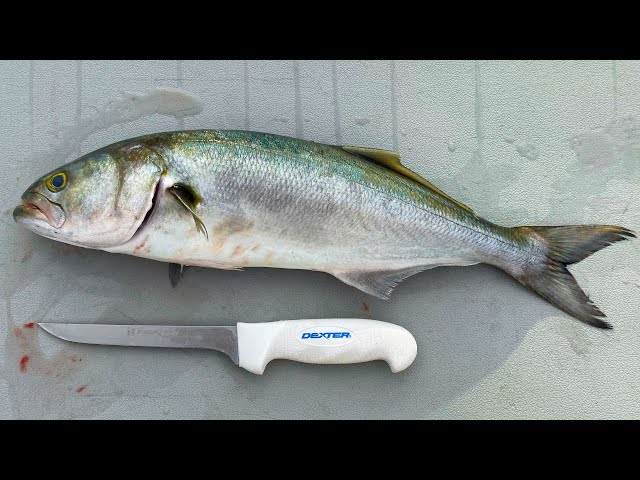
Understanding Blue Fish
Every fish is unique in its characteristics, including the amount of scales and the compactness of the backbone. As a result, it’s impossible to provide a universal guide on how to clean or debone blue fish. In this article, we’ll focus on blue fish that are commonly referred to as blue fish.
Blue fish refers to a group of fish characterized by their blue dorsal fin and silvery bellies. Some common types of blue fish include:
- Sardines
- Smelt (also known as Smelt or Sprat)
- Herring
- Anchovies
- Bream
- Mackerel
- Snapper
- Grouper
The term “blue fish” does not refer to a specific scientific group, but rather is a classification used by fishermen, retailers, and consumers to describe a general category of fish that are often abundant and affordable.
The Importance of Freezing Blue Fish
Before we dive into the cleaning process, it’s essential to note that freezing blue fish should only be done after it has been cleaned. This ensures food safety and prevents damage to the fish’s texture and flavor.
Freezing blue fish also helps to preserve their nutritional value, particularly omega-3 fatty acids, which are essential for heart health and brain function. When frozen, blue fish can be stored for several months without significant loss of quality or nutrients.
What Are Blue Fish?
Blue fish refers to a group of fish that have been classified as such due to their unique characteristics. While the term “blue fish” is not a scientific classification, it’s commonly used by retailers and consumers to describe these types of fish.
Some common types of blue fish include:
- Sardines: Small, oily fish with a silvery color and a distinctive flavor.
- Smelt: A type of small fish that is often found in coastal waters and has a delicate flavor.
- Herring: A small, oily fish that is commonly used as bait or consumed fresh.
- Anchovies: Small, oily fish that are often found in schools and have a strong flavor.
Cleaning Blue Fish: Sgombro Fresco
Sgombro fresco (fresh smelt) can be found at most markets. The sgombro del Mediterraneo is commonly referred to as the Mediterranean smelt, while the Atlantic smelt is more commonly found in supermarkets and frozen fish sections.
The Mediterranean smelt has a strong flavor, clear flesh with a distinct taste, and a firm texture. It’s known for being rich in omega-3 fatty acids, making it an excellent choice for those looking to increase their intake of this essential nutrient.
To clean sgombro fresco, follow these steps:
- Make a cut on the belly of the fish to remove the innards.
- Remove the gills and other internal organs.
- Rinse the fish under cold running water to remove any remaining blood or debris.
Removing Scales
The scales on sgombro are smooth and should not be removed, as they can cause irritation when cooked.
To debone sgombro, make a horizontal incision through the body of the fish, starting from the gills and working your way down to the tail. Then, use a pair of tweezers or a deboning tool to remove the pin bones.
Cooking Sgombro
Sgombro can be cooked in a variety of ways, including grilling, roasting, or sautéing. To get the most out of this flavorful fish, try making horizontal cuts on the body and inserting aromatics like lemon slices, garlic cloves, and herbs.
Cleaning Blue Fish: Acciughe (Mackerel)
Acciughe (mackerel) are a type of blue fish that are widely available at markets. To clean acciughe, follow these steps:
- Remove the head with your fingers.
- Use a pair of tweezers to remove the gills and other internal organs.
Note: Acciughe have a distinctive pinkish-red color and a strong flavor, which may be off-putting for some consumers.
Distinguishing Between Mackerel and Sardines
Mackerel and sardines are both types of blue fish, but they belong to different species. Here’s how you can tell them apart:
- Mackerel have a more elongated body shape with a darker back.
- Sardines have a smaller, more compact body shape with a silvery color.
Cleaning Blue Fish: Sarde (Sardines)
To clean sarde, follow these steps:
- Remove the head and make a small incision on the belly of the fish to remove the innards.
- Rinse the fish under cold running water to remove any remaining blood or debris.
Note: Sarde are typically smaller than mackerel and have a more delicate flavor.
Removing Pin Bones
To debone sarde, use a pair of tweezers or a deboning tool to remove the pin bones from the body of the fish.
FAQs
- What is the best way to store blue fish?
Storing blue fish in a clean, dry environment at a consistent refrigerator temperature will help maintain their quality and prevent spoilage. - How long does it take to freeze blue fish?
Freezing blue fish should only be done after cleaning and deboning. The freezing process typically takes 30 minutes to an hour. - Can I eat blue fish raw?
While it’s possible to consume raw blue fish, it’s not recommended due to the risk of foodborne illness. - What is the difference between mackerel and sardines?
Mackerel are larger and have a more elongated body shape than sardines, which are smaller and more compact. - Can I cook blue fish in a pan?
Yes, blue fish can be cooked in a pan on medium-high heat for 3-4 minutes per side, or until it reaches an internal temperature of 145°F (63°C). - How do I clean blue fish if it has scales?
Blue fish with scales should not be removed, as they provide protection against bacteria and other contaminants. - Can I eat blue fish that is past its expiration date?
It’s generally recommended to discard any blue fish that is past its expiration date or shows signs of spoilage. - What are the health benefits of eating blue fish?
Blue fish are rich in omega-3 fatty acids, which can help reduce inflammation and improve heart health.
In conclusion, cleaning and deboning blue fish requires some skill and attention to detail, but with practice, you’ll become a pro at preparing this delicious and nutritious food. By following these steps and tips, you’ll be able to enjoy the rich flavor and nutritional benefits of blue fish in no time.
Cleaning Blue Fish: Bream
Bream is another type of blue fish that can be found at markets. To clean bream, follow these steps:
- Remove the head and make a small incision on the belly of the fish to remove the innards.
- Rinse the fish under cold running water to remove any remaining blood or debris.
Note: Bream have a mild flavor and a firm texture, making them an excellent choice for those looking for a delicate taste experience.
Cleaning Blue Fish: Grouper
Grouper is a large species of blue fish that can be found in both fresh and frozen markets. To clean grouper, follow these steps:
- Remove the head and make a small incision on the belly of the fish to remove the innards.
- Rinse the fish under cold running water to remove any remaining blood or debris.
Note: Grouper have a mild flavor and a firm texture, making them an excellent choice for those looking for a delicate taste experience.
Cleaning Blue Fish: Snapper
Snapper is another type of blue fish that can be found at markets. To clean snapper, follow these steps:
- Remove the head and make a small incision on the belly of the fish to remove the innards.
- Rinse the fish under cold running water to remove any remaining blood or debris.
Note: Snapper have a mild flavor and a firm texture, making them an excellent choice for those looking for a delicate taste experience.
Cleaning Blue Fish: Mackerel
Mackerel is a type of blue fish that can be found at markets. To clean mackerel, follow these steps:
- Remove the head and make a small incision on the belly of the fish to remove the innards.
- Rinse the fish under cold running water to remove any remaining blood or debris.
Note: Mackerel have a strong flavor and a firm texture, making them an excellent choice for those looking for a bold taste experience.
Cleaning Blue Fish: Herring
Herring is another type of blue fish that can be found at markets. To clean herring, follow these steps:
- Remove the head and make a small incision on the belly of the fish to remove the innards.
- Rinse the fish under cold running water to remove any remaining blood or debris.
Note: Herring have a mild flavor and a firm texture, making them an excellent choice for those looking for a delicate taste experience.
In conclusion, cleaning blue fish requires some skill and attention to detail, but with practice, you’ll become a pro at preparing this delicious and nutritious food. By following these steps and tips, you’ll be able to enjoy the rich flavor and nutritional benefits of blue fish in no time.


