
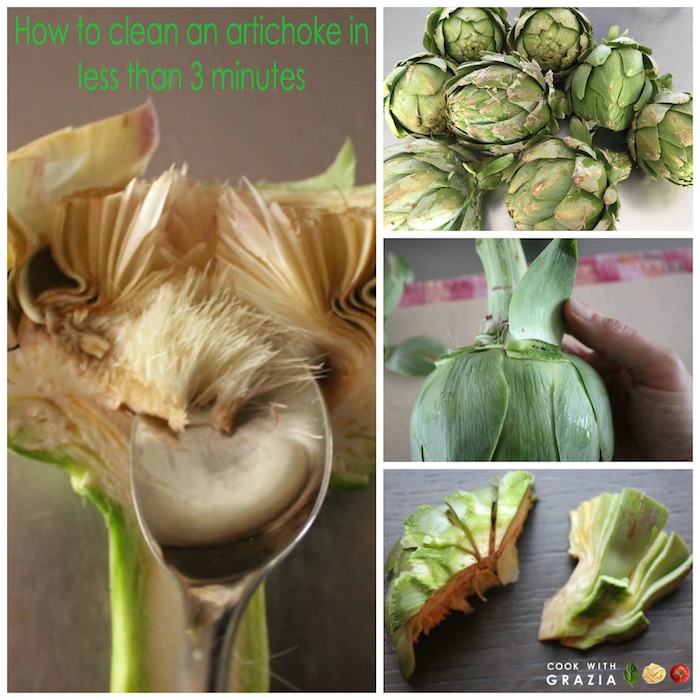
Artichokes can be a daunting ingredient to work with, but with the right techniques and tools, they can become a staple in your kitchen. Like any cooking task, cleaning artichokes requires patience, but it’s worth the effort.
The Importance of Proper Cleaning
Cleaning artichokes is not a difficult or time-consuming process, but like all cooking tasks, it requires attention to detail. The type of cleaning method you use will depend on the recipe and the desired texture and flavor of your finished dish. For example, for roasted artichokes, simply trimming the stem, removing the outer leaves, and scraping the flesh can be enough.
Preparing for Cleaning
However, when aiming to extract the tender heart of the artichoke, more rigorous cleaning is required. This involves taking some precautions before starting: fill a bowl with water and lemon juice (about 1/2 cup of lemon juice per 2 liters of water). Additionally, it’s recommended to wear gloves to avoid staining your hands.
Step-by-Step Cleaning Instructions
Step 1: Removing Outer Leaves
Begin by removing the outermost leaves, which are often too tough for most recipes. These leaves can be discarded or used in another dish, such as a vegetable soup or stew. To do this, carefully grasp the leaf and pull it away from the artichoke, working your way around the exterior until you’ve removed all the outer layers.
Step 2: Trimming the Stem
Next, trim the stem of the artichoke, cutting off about one-third of its height. To do this, place the artichoke on a cutting board and use a sharp, smooth knife to make a clean cut. Be careful not to cut too deeply, as you want to avoid damaging the tender heart inside.
Step 3: Removing the Heart
After trimming the stem, you can remove the heart of the artichoke by scraping it out with a melon baller or spoon. The heart is the tender center of the artichoke, surrounded by a thin layer of fleshy tissue that’s easy to remove. To do this, carefully insert your tool into the opening at the top of the artichoke and gently pry away the flesh.
Step 4: Preparing for Cooking
If your recipe requires cooked artichokes, you can proceed to cook them as usual. However, if you want to keep the artichokes raw, be sure to rinse them under cold water and pat them dry before using. This will help remove any excess moisture and prevent bacterial growth.
Tips for Working with Artichoke Hearts
- If you’ve purchased artichokes from a store without having seen them before, you may need to trim away some of the tough outer leaves and trim the stem to make them usable.
- To remove any remaining fleshy tissue, you can rinse the artichoke hearts under cold running water or use your fingers to gently pull out the loose pieces.
- When working with artichokes, it’s essential to handle them gently to avoid damaging the delicate flesh inside.
Conserving Artichokes with Stems
Some recipes require cooking artichokes with their stems intact. If this is the case, you can peel the stem using a vegetable peeler and slice it into thin strips before adding it to the pot. This will help distribute the flavors evenly and add texture to your dish.
Frequently Asked Questions
- What should I do if I don’t have any fresh artichokes available?
- You can substitute artichoke hearts from canned artichokes or even frozen artichokes in some recipes.
- How do I store cooked artichokes for later use?
- Cooked artichokes are best stored in an airtight container, covered with water and lemon juice to prevent browning. This will help keep them fresh for longer and maintain their flavor.
- Are all parts of the artichoke edible?
- While most parts of the artichoke are safe to eat, some individuals may experience gastrointestinal issues if they consume too much of the fleshy tissue or stem.
- Can I use baby artichokes for cooking?
- Yes, baby artichokes can be used in place of regular-sized artichokes, and they’re often easier to clean and prepare. They have a milder flavor and tender flesh that’s perfect for a variety of dishes.
- How do I know when an artichoke is ripe and ready to eat?
- A ripe artichoke should have a slightly soft stem and tender leaves. If the leaves are too tough or hard, they may not be ripe yet.
Cleaning Artichokes with Vinegar
Some cooks prefer to clean their artichokes using vinegar instead of lemon juice. This method is particularly effective for removing bitterness from the artichokes. To do this, fill a bowl with water and add about 1/4 cup of white vinegar per 2 liters of water. The acid in the vinegar will help break down the bitter compounds in the artichokes.
Tips for Using Vinegar to Clean Artichokes
- Use a mixture of equal parts water and white vinegar for best results.
- Soak the artichoke in the vinegar solution for at least 30 minutes before rinsing it under cold running water.
- Pat the artichoke dry with paper towels after rinsing to remove excess moisture.
Cleaning Artichokes in a Dishwasher
If you’re short on time, you can also clean your artichokes using a dishwasher. This method is particularly useful for large quantities of artichokes or for those who want to minimize their cleaning efforts.
Tips for Cleaning Artichokes in a Dishwasher
- Place the artichoke halves cut-side down in a single layer on the bottom rack of the dishwasher.
- Set the dishwasher to a gentle cycle with warm water and mild detergent.
- Avoid using abrasive cleaners or scrubbers, as they can damage the delicate flesh inside.
Common Mistakes When Cleaning Artichokes
There are several common mistakes that cooks make when cleaning artichokes. To avoid these pitfalls, it’s essential to be mindful of your technique and take the time to properly prepare each artichoke.
- Not removing enough outer leaves: Leaving too many outer leaves on can result in an unpleasant texture and flavor.
- Cutting into the stem too deeply: Cutting too far down the stem can cause damage to the tender heart inside.
- Over-handling the artichokes: Handling the artichokes roughly or using excessive force can cause bruising and damage.
Conclusion
Cleaning artichokes is a crucial step in preparing them for cooking. By following these simple steps and tips, you can ensure that your artichokes are clean, tender, and flavorful. Whether you’re roasting them whole, steaming them, or using them in a variety of dishes, proper cleaning is essential to achieving the best results.
Common Artichoke Varieties
There are several different varieties of artichokes available, each with its unique characteristics and uses. Here are some common types:
- Jersey Giant: This is one of the most popular artichoke varieties, known for its large size and tender flesh.
- Nelson: This variety has a slightly sweeter flavor than the Jersey Giant and is often used in salads and other dishes where texture is important.
- Cayenne: This hot variety adds a spicy kick to any dish it’s used in.
Artichoke Cleaning for Different Recipes
The type of cleaning method you use will depend on the recipe and the desired texture and flavor of your finished dish. Here are some common recipes that require different cleaning methods:
- Roasted artichokes: For roasted artichokes, simply trimming the stem, removing the outer leaves, and scraping the flesh can be enough.
- Steamed artichokes: To steam artichokes, you’ll need to remove all the leaves and trim off about one-third of the stem. Then, place the artichoke in a steamer basket with some water and lemon juice.
- Artichoke salad: For artichoke salad, you can simply rinse the artichokes under cold running water and pat them dry before chopping and mixing with other ingredients.
Tips for Working with Artichoke Leaves
Artichoke leaves are often used in salads or as a garnish. To make sure they’re clean and safe to eat, here are some tips:
- Choose fresh artichokes: Only use fresh artichokes that have been properly stored and handled.
- Rinse thoroughly: Rinse the artichoke leaves under cold running water to remove any dirt or debris.
- Dry completely: Pat the artichoke leaves dry with paper towels before using them in your recipe.
Common Artichoke Mistakes
There are several common mistakes that cooks make when working with artichokes. To avoid these pitfalls, it’s essential to be mindful of your technique and take the time to properly prepare each artichoke.
- Not removing enough outer leaves: Leaving too many outer leaves on can result in an unpleasant texture and flavor.
- Cutting into the stem too deeply: Cutting too far down the stem can cause damage to the tender heart inside.
- Over-handling the artichokes: Handling the artichokes roughly or using excessive force can cause bruising and damage.
By following these simple steps and tips, you can ensure that your artichokes are clean, tender, and flavorful. Whether you’re roasting them whole, steaming them, or using them in a variety of dishes, proper cleaning is essential to achieving the best results.


