
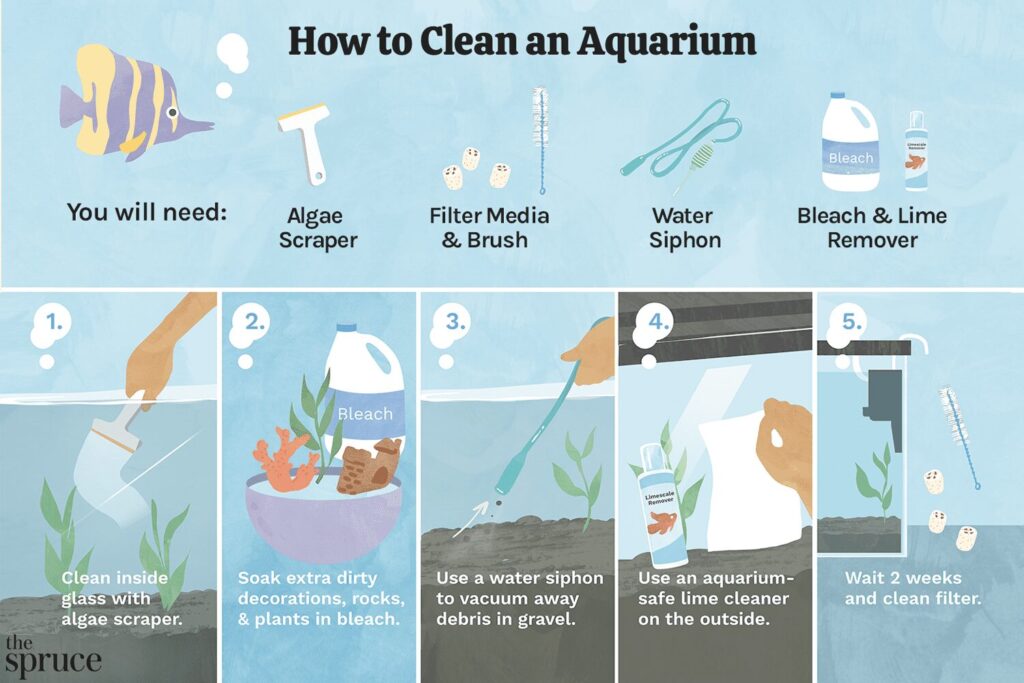
As a beginner in the world of aquarium keeping, you’ve likely encountered a common problem: dirty glass walls. Whether it’s algae, calcium deposits, or debris from your aquatic friends’ metabolisms, cleaning the glass can be a daunting task. In this article, we’ll delve into the causes of dirty glass, provide expert advice on how to clean it effectively, and cover the importance of regular maintenance.
Understanding the Causes of Dirty Glass
Before we dive into the cleaning process, let’s explore the reasons behind dirty glass. The main culprits are:
- Excessive food intake by your fish
- Algae growth due to poor water circulation or inadequate lighting
- Calcium deposits from the aquarium’s chemistry
These issues can lead to a buildup of debris on the glass walls, making cleaning more challenging.
The Importance of Regular Maintenance
Regular maintenance is key to preventing dirty glass. By monitoring your aquarium’s water parameters, performing regular water changes, and adjusting your fish feeding schedule, you can significantly reduce the likelihood of dirty glass.
- Testing Water Parameters: Use a comprehensive water test kit to monitor pH, ammonia, nitrite, and nitrate levels.
- Perform Regular Water Changes: Replace 10-20% of the aquarium’s water weekly to maintain optimal water quality.
- Adjust Fish Feeding Schedule: Provide the right amount of food for your fish, taking into account their age, size, and activity level.
Cleaning the Glass: A Step-by-Step Guide
Now that we’ve covered the importance of regular maintenance, let’s move on to the cleaning process. Here are some expert tips to help you clean your aquarium glass effectively:
- Rinse with Fresh Water: Before cleaning, rinse the glass walls with fresh water to remove any loose debris.
- Use a Soft Brush or Sponge: For minor algae growth, use a soft-bristled brush or a gentle sponge to wipe away the deposits.
- Vinegar Solution (50/50 Water and Vinegar): Mix equal parts of water and vinegar in a spray bottle. Spray the solution onto the glass walls and let it sit for 10-15 minutes before wiping clean with a soft cloth.
- Baking Soda and Water Paste: For more stubborn algae growth, create a paste by mixing baking soda and water. Apply the paste to the affected area and scrub gently with a soft-bristled brush. Rinse thoroughly with fresh water.
Common Mistakes to Avoid
When cleaning your aquarium glass, avoid the following mistakes:
- Using Harsh Chemicals: Never use bleach or other harsh chemicals to clean your aquarium glass, as they can damage the surfaces or harm your fish.
- Over-Cleaning: Be gentle when cleaning the glass walls. Over-cleaning can lead to scratches or damage to the surfaces.
Additional Tips for Cleaning Specific Issues
- Algae Growth on Glass Walls: For persistent algae growth, consider using a UV sterilizer to reduce bacterial populations. Also, ensure adequate lighting and water circulation.
- Calcium Deposits: To prevent calcium deposits from forming, maintain stable water chemistry (pH between 6.5-7.5) and adjust your fish’s diet accordingly.
- Debris Buildup: Regularly inspect the glass walls for debris buildup and clean them as needed to prevent bacterial growth.
DIY Aquarium Cleaning Solutions
If you’re looking for alternative or homemade cleaning solutions, consider the following:
- Newspaper and White Vinegar Solution: Mix equal parts of white vinegar and water with a handful of newspaper. Soak the newspaper in the solution, then scrub the glass walls gently before rinsing.
- Hydrogen Peroxide Solution: Mix equal parts of hydrogen peroxide and water to create a gentle cleaning solution for algae growth.
Advanced Cleaning Techniques
For more stubborn stains or severe algae buildup, consider advanced cleaning techniques:
- Using a Magnetic Sponge: A magnetic sponge can be used to remove metal-based debris from the glass walls.
- Polishing the Glass: Regularly polish the glass surfaces using a gentle glass polishing solution and soft cloth to maintain transparency.
Conclusion
Cleaning the aquarium glass is an essential part of maintaining a healthy and thriving aquatic environment. By understanding the causes of dirty glass, performing regular maintenance tasks, and using the right cleaning techniques, you’ll be well on your way to keeping your aquarium sparkling clean.
Frequently Asked Questions (FAQs)
- How often should I clean my aquarium glass?
Regularly inspect your aquarium glass for signs of algae growth or debris buildup. Clean the glass as needed to maintain optimal water quality. - What is the best cleaning solution for my aquarium glass?
Use a gentle, pH-neutral cleaner specifically designed for aquariums. Avoid harsh chemicals like bleach. - Can I use a scrubber to clean my aquarium glass?
No, avoid using abrasive scrubbers or sponges that can scratch or damage the glass surfaces. - How do I prevent algae growth on my aquarium glass?
Provide adequate lighting, ensure good water circulation, and maintain optimal water parameters (pH, ammonia, nitrite, and nitrate levels). - Can I clean my aquarium glass with vinegar?
Yes, but use a diluted solution of 50/50 water and vinegar to avoid damaging the glass surfaces. - What is the best way to test my aquarium’s water parameters?
Use a comprehensive water test kit specifically designed for aquariums. - How often should I perform water changes in my aquarium?
Replace 10-20% of the aquarium’s water weekly to maintain optimal water quality and prevent algae growth. - Can I use a different type of cleaner on my aquarium glass than recommended?
No, always follow the manufacturer’s instructions for cleaning your aquarium glass to ensure safety and effectiveness.
Expert Tips from Professional Aquarists
To further enhance your knowledge, here are some expert tips from professional aquarists:
- “Regularly inspecting the glass walls is crucial in preventing algae growth. A simple change of lighting or water circulation can make a significant difference.”
- “Maintaining stable water chemistry is key to preventing calcium deposits and algae growth.”
- “A well-maintained aquarium requires regular cleaning, including the glass walls. It’s an investment worth making for the health and happiness of your fish.”
By following these expert tips and guidelines, you’ll be able to keep your aquarium glass sparkling clean and create a thriving environment for your aquatic friends.


