
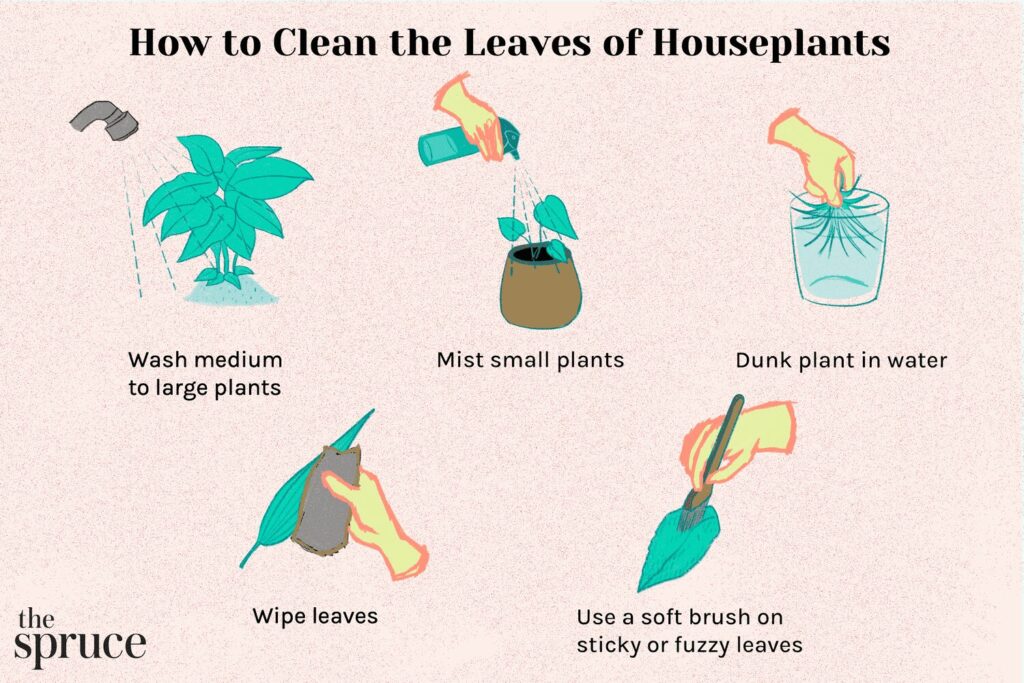
As we tend to our outdoor and indoor plants, it’s essential to clean their leaves to maintain their health and appearance. From lemons to orchids, bonsai trees to many other types of plants, cleaning the leaves requires attention and patience. In this article, we’ll explore how to clean the leaves of various plants, including when to use or not use leaf polishers.
Why Clean Leaves?
Cleaning leaves is crucial for maintaining plant health and appearance. Dust and debris can accumulate on leaves, causing them to become discolored, wilted, or even infected with pests and diseases. Regular cleaning also helps prevent the spread of disease and maintains a clean environment around your plants.
When to Clean Leaves
There are various scenarios where you may need to clean your plant’s leaves. Here are some common instances:
- Dust accumulation: If you notice dust accumulating on your plant’s leaves, it’s time to clean them.
- Pests or diseases: If you’ve noticed any pests or diseases on your plant’s leaves, cleaning them is essential to prevent the spread of infection.
- Seasonal changes: As plants adapt to seasonal changes, their leaves may become dry and brittle, making it necessary to clean them.
Cleaning Leaves: A Step-by-Step Guide
Use a cotton cloth soaked in distilled water and gently wipe each leaf individually.
If the plant has recently been infested with pests, clean the leaves by applying a 3-part alcohol solution (alcohol-free). This disinfectant is best used when the plant is not exposed to direct sunlight and the leaves are not warm.
DIY Leaf Polisher
There are recipes available online for homemade leaf polishers using water and milk. However, we strongly advise against using this method, as small amounts of milk can create mold, attract insects, and make the environment less welcoming to the plant.
Commercial Leaf Polishers
Leaf polishers are widely available in the market. These products help maintain leaves by reducing dust but should not be used on outdoor plants exposed directly to sunlight. Use these products only on indoor plants or for specific purposes, such as cleaning vases of potted plants.
Using a Leaf Polisher: A Guide
Spray the product onto the leaves while maintaining a 50-centimeter distance between the can and the leaf. The treatment lasts around 10-15 days.
It’s recommended not to apply the polishers directly on growing buds or hotly exposed plants. These products are suitable for all green, smooth-leaved plants (such as ficus, orchids, lemons, limes, etc.). However, they should not be used for plants with opaque or hairy leaves.
What’s in a Leaf Polisher?
Each product has its unique formula, typically based on hydrocarbon compounds derived from petroleum. This is why leaf polishers can protect the leaf from dust and maintain its health.
The exact composition of these products varies depending on the manufacturer. However, they usually contain butane, naphtha (heavy fraction of petroleum), propane, and isobutane. We strongly advise against frequent use to avoid harming plants and maintaining a clean environment.
When to Use a Leaf Polisher?
As an experienced gardener, I can tell you that leaf polishers are very useful indoors but not for cleaning leaves. If you have potted plants on terracotta or ceramic pots, these products are perfect for cleaning.
They dissolve any type of calcium-based stains or marks. Personally, I never apply them directly to the leaves but use them as needed for cleaning vases of both indoor and outdoor plants. After using it, make sure to well-ventilate the area.
Where to Buy a Leaf Polisher?
You can purchase leaf polishers from garden stores or online retailers like Amazon. For more information on purchasing, check out our official Amazon page dedicated to leaf polishers.
By following these steps and guidelines, you’ll be able to clean your plants’ leaves effectively without harming them.


